
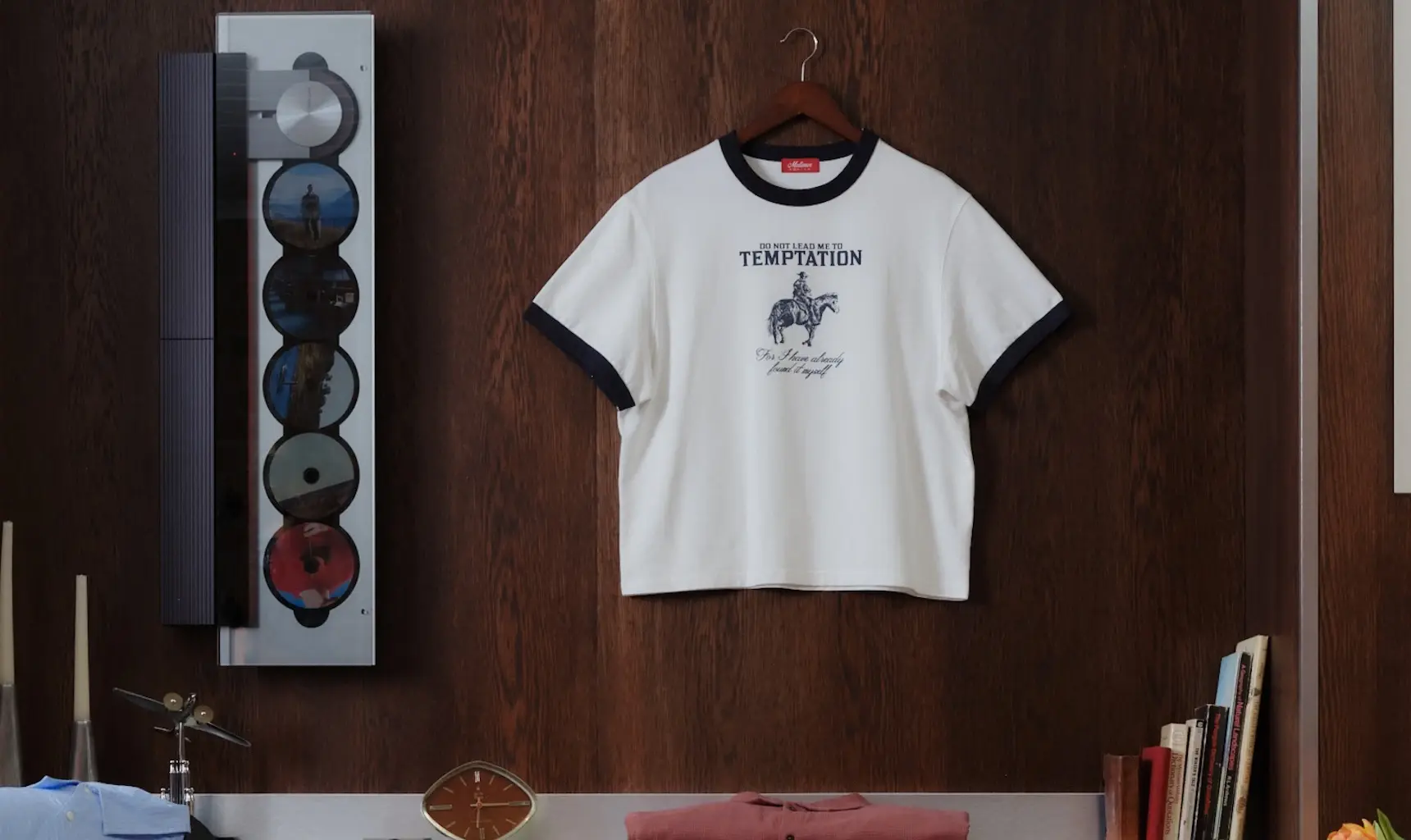
After five pop-ups and six years of direct-to-consumer (DTC) retail, Mutimer has opened its first permanent store. It felt fitting for owner Jasper Mutimer to open in Melbourne, his home town, where his hugely popular unisex eponymous fashion label began.
Launched during a global pandemic as a creative project while its founder studied finance, Mutimer found its audience through a screen. Now, the ready-to-wear contemporary fashion label has a combined following of 412,000 across Instagram and Tiktok.
Despite its far-reaching internet success, the label still wants to prove itself. “I’m under no illusions that we’re currently seen as an Instagram brand, because it’s basically what we are,” Mutimer says. In the age of dropshipping and “ghost” stores, a physical store can quickly cut through the noise and cultivate trust between a brand and a potential customer.
“The store is a very expensive sign of intention; we want to be around for a while, and we’re also serious about the products that we’re willing to show people and let them try it on before they buy.”
This is in opposition to the stereotype of clothes made by “Instagram brands” – a garment that “looks good visually and is presented well, but the… fabric’s poor, it fits weird, or the customer service sucks,” says Mutimer.
Despite the label being around for half a decade, the “general perception” of being a DTC business still has sticking points, with commenters occasionally questioning the validity of the business and the quality of the garments. Having a physical presence helps dispel some of these insecurities.
Sitting in the wine bar Glou, Mutimer noticed the empty shopfront that would become the label’s flagship store. After bugging the landlord for two months, he took over the space in December.
It’s a gamble for any small business to enter the bricks-and-mortar space, but particularly now, when conversations about the difficulties of retail are peaking. While that may be true for “big box… mainstream retailers”, Mutimer believes in independent retail and its ability to provide something better than transactional online shopping experiences.
In fact, while the average online Mutimer order has 1.2 items, at the pop-ups, that increases to close to two items. At its London pop-up, it was 2.2 items per transaction. (Of course, the fact that pop-ups are temporary may also drive up the number of pieces purchased.)
Mutimer’s vision for the store was to create a third place, a relaxed environment that felt like your cool friend’s apartment. He wants shoppers to feel comfortable enough to enjoy the space for two hours without the pressure of purchasing something. It’s “very warm and inviting,” he says.
Inspired by the Eames case study house (there’s an Eames lounge chair in the shop), the One68-built, mid-century style space seeks to expand the world of Mutimer. There are props from previous shoots in the store, as well as some of Mutimer’s favourite coffee table books. There’s a stocked drinks fridge, a comfy bench for shopping companions to chill on and quirky touches, like a wall-mounted CD player. As a friend said to him last week, it’s exactly how she imagined a Mutimer store would look.
The founder hopes that passers-by who might not look like his regular customers are drawn into the store. “The nicest thing I’ve had with the pop-ups is just having people who might not typically be our demographic walk by and they end up buying something, and they’ve never even heard of the brand before.”
Mutimer wants the label to be here for decades and for it to flourish offline. The jump from Instagram brand to legitimate brand is a tough one, but Mutimer’s permanent Smith Street store is proof he’s devoted to the journey ahead.
Mutimer
308 Smith St, Collingwood