
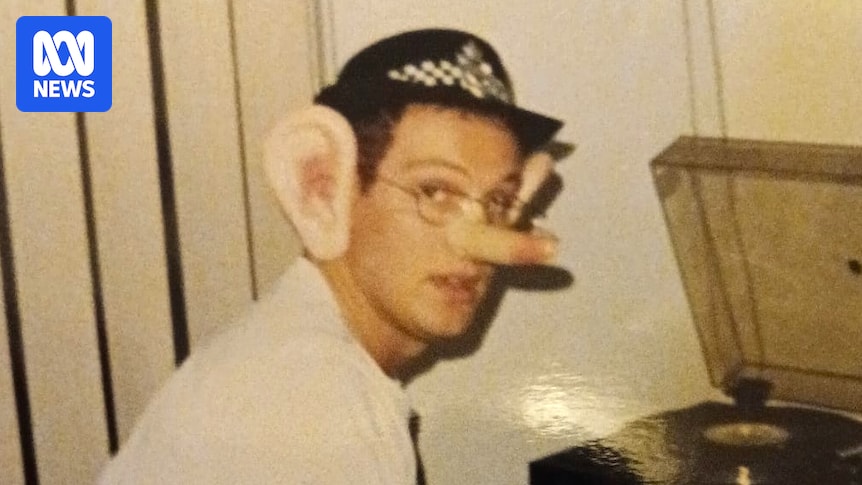
In mid-2009, British citizen Simon Kadwill-Kelly was waiting patiently in a long queue of cars on a ferry returning from France.
He was excited at the thought of returning to his home in the United Kingdom.
But when he reached the head of the queue, border control officers asked him to get out of his car.
“I thought, ‘They’re just doing a routine car check,'” he said.
Instead, officers took him to a small room and questioned him for hours.
“The first question they said to me was, ‘When was I last in Australia?'” Mr Kadwill-Kelly said.
“I was rather puzzled at the question because I haven’t been to Australia.”
This was the moment Mr Kadwill-Kelly realised his identity was being used to execute an international fraud, with very serious implications.
Mr Kadwill-Kelly has revealed to the ABC Expanse podcast how a software company salesman came to be living with a false identity and tied up in one of Australia’s most baffling missing persons cases.
Unknowingly, Mr Kadwill-Kelly, he had become a wanted man by Interpol after Australian police began investigating the bizarre disappearance of a mother, her child and two men from south-west Western Australia.
‘No, that’s not me’
After hours of questioning, the officers handed him a picture of the man they were after.
It was his name, but not his face.
“I said, ‘No, that’s not me,'” he said.
“But I knew who it was.”
The man in the photo was an old work colleague he had not seen for more than a decade.
A man called Gary Felton.
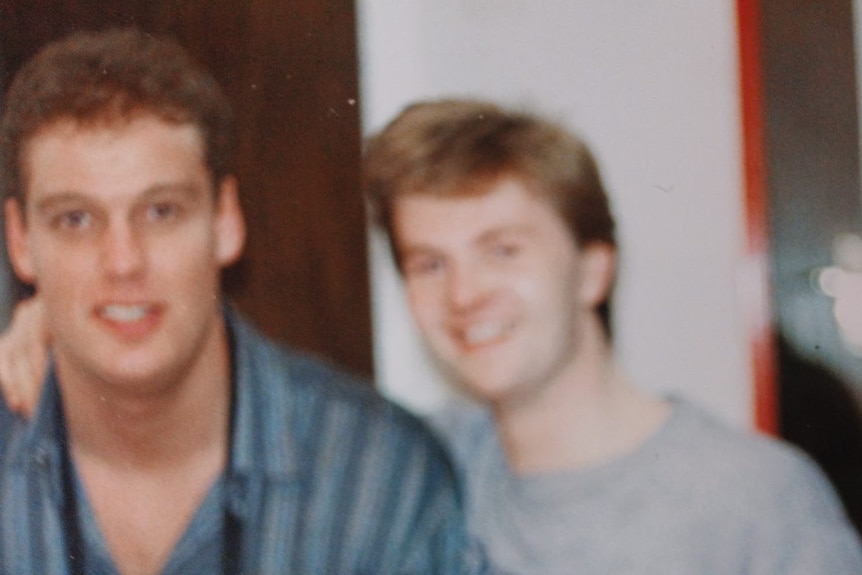
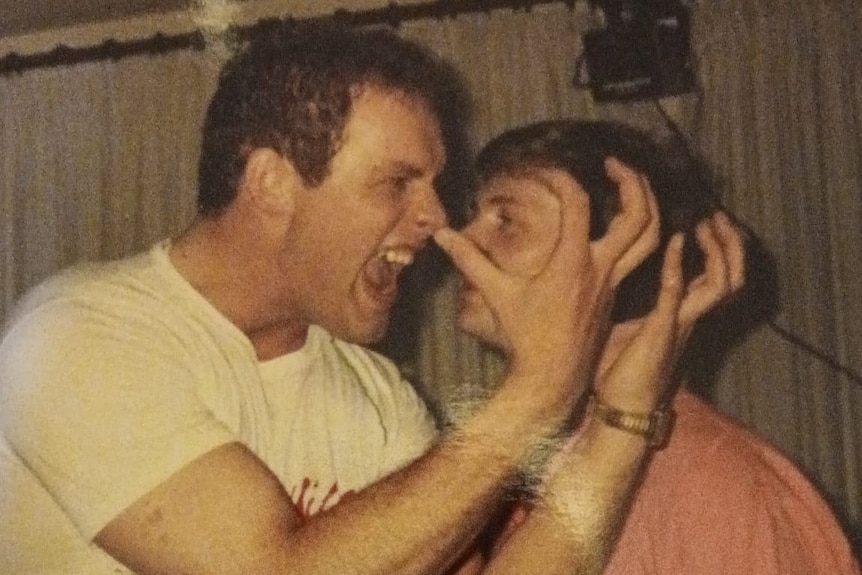
Gary Felton and Simon Kadwill-Kelly were friends while working at the same company. (Supplied: Simon Kadwill-Kelly)
Mr Kadwill-Kelly met Gary Felton when he took a job at a software company in London in the 1980s.
“He was a kind of fun guy. Quite happy-go-lucky, good sense of humour,” Mr Kadwill-Kelly said.
At this time, Mr Kadwill-Kelly was legally called Simon Kadwill.
The two hit it off, becoming close friends who would party together each weekend.
True extent of Felton’s deception revealed
About a year into their friendship, Mr Kadwill-Kelly showed Mr Felton his birth certificate and passport.
Mr Kadwill-Kelly said he did not remember how the conversation came up.
“We were quite trusting of each other.”
The next time he needed it, Mr Kadwill-Kelly realised his birth certificate was missing.
When Mr Kadwill-Kelly asked Mr Felton where it was, his friend admitted to taking it.
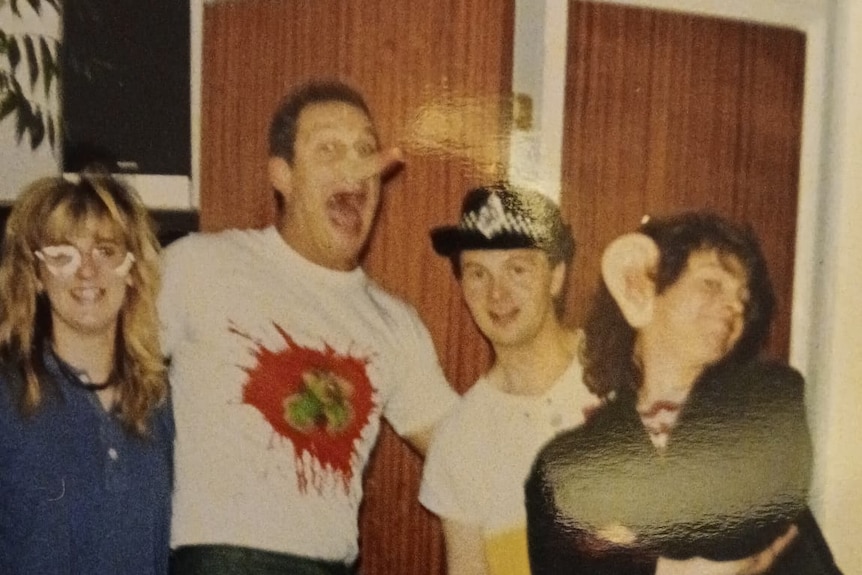
Gary Felton and Simon Kadwill-Kelly (middle) would socialise together often. (Supplied: Simon Kadwill-Kelly)
“I was horrified and it put me in an awkward situation,” Mr Kadwill-Kelly said.
Mr Kadwill-Kelly did not report the theft to police, believing it would be a one-off occurrence.
That seemingly innocuous decision would go on to have a vast ripple effect.
The pair eventually lost touch and Mr Kadwill-Kelly gave no more thought to the stolen birth certificate, until he visited his GP seeking medical treatment for chronic back pain.
“She confronted me and said I’ve already had an operation.
“I said, ‘Look, this is not the case, you’ve made a mistake.’ She didn’t believe me.”
After investigating, Mr Kadwill-Kelly realised his old friend has used his identity to gain medical treatment and purchase property.
A new identity in Australia
Mr Felton’s movements around this time are not fully known, but by the 1990s he had created a false passport and moved to Australia as Simon Kadwill.
He began spruiking his bizarre spiritual beliefs through self-authored books and an online forum.
By 2007, he was living a reclusive lifestyle in an isolated town in south-west Western Australia, where he spent his days sleeping and his nights running an online forum called The Gateway, which had followers across the world.
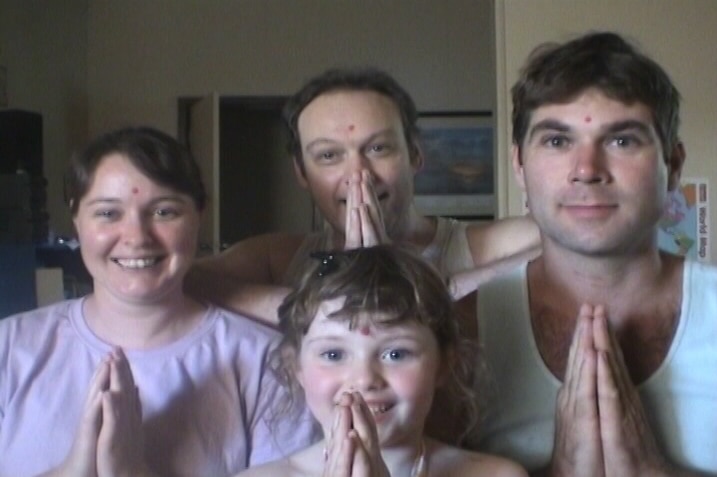
Chantelle McDougall, Leela McDougall, six, with Simon Kadwill aka Gary Felton, and lodger Tony Popic. (Supplied: McDougall family)
He lived with two followers, Tony Popic and Chantelle McDougall – who was also the mother to his child, Leela McDougall.
Chantelle McDougall was 18 years his junior and just 17 when they met.
In July 2007, the four disappeared.
In the weeks prior, Ms McDougall told her family they planned to move to Brazil, but there is no indication the four ever left the country, nor has there been any confirmed sighting of them since.
It was only after their disappearance that it came to light Gary Felton was the true identity of the missing man.
The impacts of having a stolen identity
While identity theft may look different from when Gary Felton assumed Mr Kadwill-Kelly’s identity in the 90s, the impacts can be just as far reaching.
Gary Felton used Simon Kadwill-Kelly’s birth certificate to assume his identity. (Supplied: Simon Kadwill-Kelly)
Identity theft expert David Lacey says dealing with the repercussions of identity theft is an “exhausting” process with no “silver bullet” solution.
“There’s no point where you go: ‘It’s over,'” he said.
“Because your information is out there … unfortunately it’s something you have to live with now.”
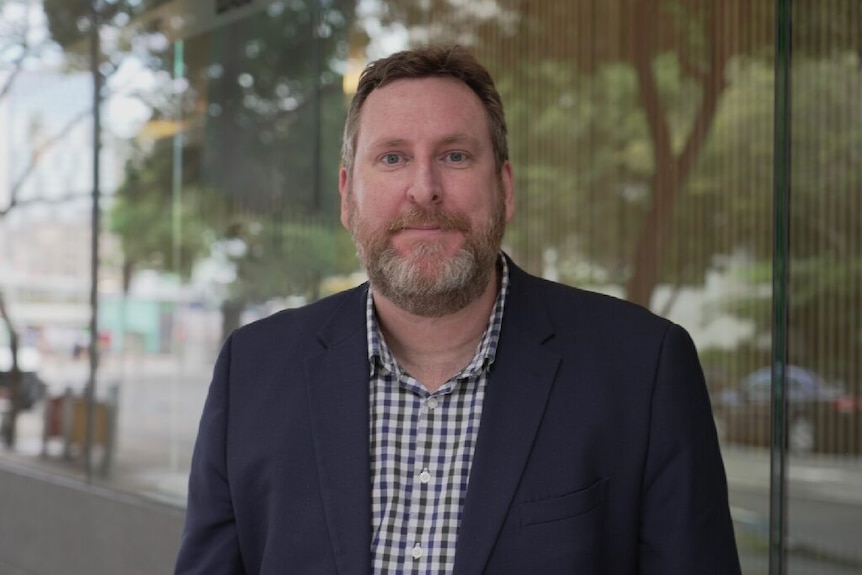
David Lacey warns people to be on the lookout for identity theft. (ABC News: Liz Pickering)
He said the onus to follow up identity theft was often on the victim.
“It’s up to them to run around and try and fix it and talk to issuers of credentials and talk to banks.
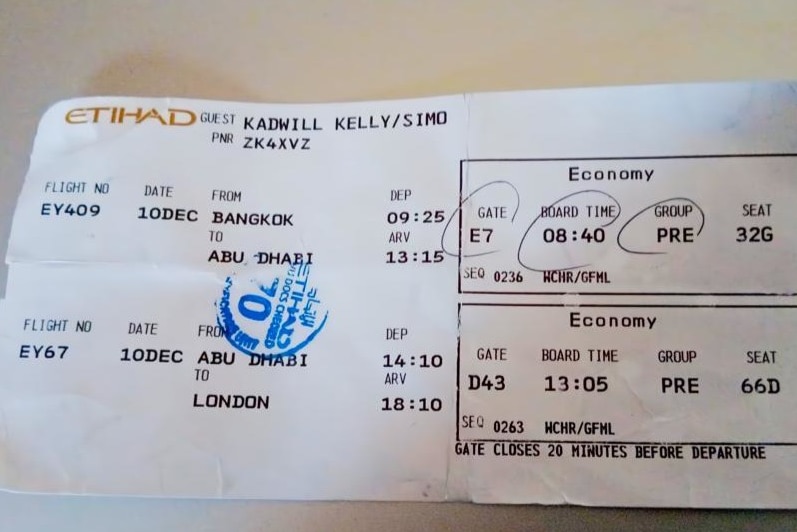
Simon Kadwill-Kelly has now changed his last name to help stop the confusion around his birth name. (Supplied: Simon Kadwill-Kelly)
“I remember one case in particular where the person thought the only way to stop identity theft was to change their name and move interstate.”
Mr Kadwill-Kelly eventually ended up changing his name and now travels with comprehensive documents to prove his identity at customs.
Mr Lacey stresses the importance of being a “selfish consumer” to prevent identity theft.
“Be bothered enough to ask questions when you’re asked to provide details,” he said.
“Don’t be quiet about these issues. Talk about them with family and friends.”
Watch Expanse: The Nannup Four on ABC iView
Mr Kadwill-Kelly still struggles to reconcile his old friend’s actions in stealing his identity with the man he knew.
But he encourages everyone to take identity theft seriously.
“My suggestion based on my life-changing experiences is that it’s really important to protect your ID in whatever way you can,” he said.
“Store your documents away in a secure place.”
Follow Expanse: The Nannup Four on ABC Listen to hear every episode of season six.
Do you know more?
If you have more information about this article or any other tips, you can securely contact Dominique Bayens at expanse.abc@proton.me