
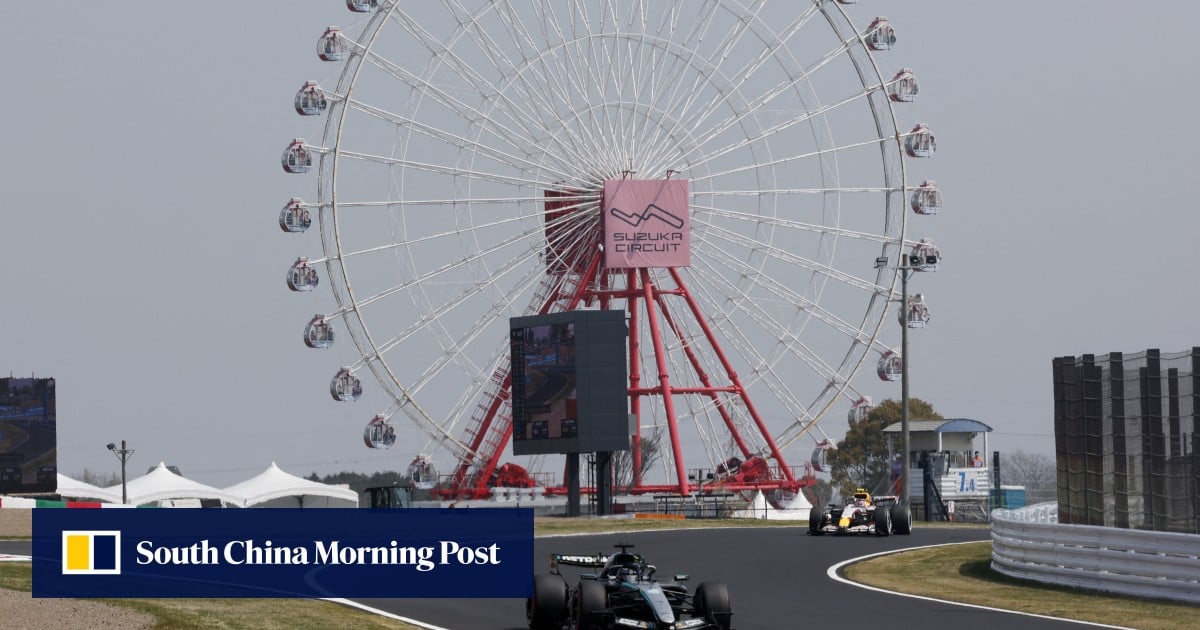
Formula One enters an enforced five-week break with plenty to ponder following Sunday’s Japanese Grand Prix.
The third race of the sport’s new engine era exposed the shortcomings of the rules overhaul, billed as Formula One’s most sweeping ever, in a way the first two in Australia and China had not.
The hybrid power units, now split nearly 50-50 between electric and combustion power, have introduced an element of energy management to the racing with fresh challenges for drivers.
They are having to tactically “lift and coast”, easing off the throttle early and coasting into a corner, so the combustion engine can recharge the battery.
They are also having to contend with “super-clipping” where the power unit automatically diverts energy from the engine to the battery, slowing down the car even if the driver is flat on the throttle.
Formula One’s governing body, the Federation Internationale de l’Automobile (FIA), said meetings to take stock of the new rules would take place in the April break created by the cancellation of races in Bahrain and Saudi Arabia due to conflict in the region.