
Australia’s fuel crisis has exposed a gap between the country’s resource wealth and its energy policy, an economist has claimed.
Despite being one of the world’s richest nations in terms of fossil fuel deposits, Australia exports large volumes of its coal and gas.
That choice has come under increasing scrutiny as Australia faces supply shortages and rising costs at home due to the Iran war.
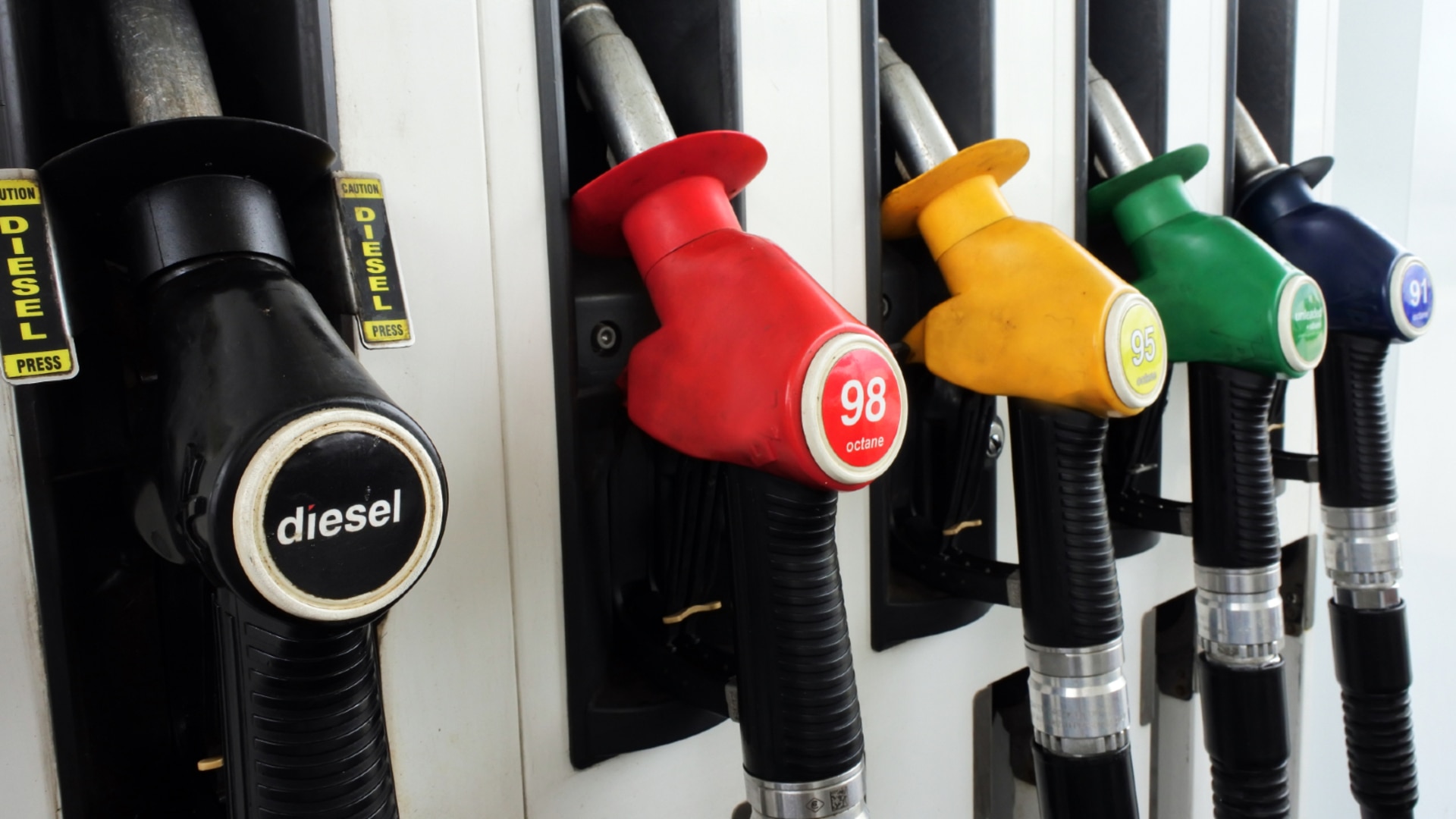
More than 500 service stations have reported running out of at least one type of fuel, while petrol and diesel prices continue to strain households and businesses.
MacroBusiness Chief Economist Leith van Onselen argued policy choices, were responsible for the pain being felt by many Australians.
Speaking to Sky news host Andrew Bolt, he said Australia had the capacity to deliver cheap and reliable energy, but was failing to use it.
“It makes absolutely no sense,” Mr van Onselen said.
“We are the world’s biggest coal exporter, we’re the world’s second biggest natural gas exporter, we have 30 per cent of the world’s uranium.
“Australia should start using this stuff ourselves and give ourselves 24-hour stable, cheap, reliable power instead of selling it to the rest of the world to use instead.”
Australia exports energy to global markets while relying on imports for refined fuels such as petrol and diesel.
That reliance has come into focus during the current disruption, leaving supply chains under pressure.
Mr van Onselen said the pursuit of net zero has compounded the problem by shifting focus away from reliable domestic supply.
“Going down this absolute rabbit hole of net zero, which obviously delivers unreliable power and very expensive power,” he said.
He said Australia should use its coal and gas exports as leverage to secure fuel supplies, by tying exports to continued access to liquid fuels such as diesel, petrol and aviation fuel.
If trading partners fail to supply those fuels, he argued Australia should consider scaling back its own energy exports to protect domestic supply.
Mr van Onselen warned the risks extend beyond inconvenience at the bowser, particularly when it came to diesel.
“Petrol is an inconvenience but if Australia runs low on diesel, the economy stops,” he said.
“It basically means that store shelves go empty, crops rot in the field, our mines shut down.
“So, if we run out of diesel, it means the economy stops, and that is big trouble.”
He said policy responses such as the Albanese government’s temporary cut to the fuel excise could worsen the situation, especially regarding the budget.
According to Mr van Onselen, the cute would add to inflation by shifting money into household spending and accelerate the drawdown of fuel reserves at a time when supplies, particularly diesel, should be conserved.
Instead, he raised the prospect of rationing diesel to protect essential industries, including freight, mining and agriculture.
“Australia is the most diesel dependent economy on earth,” he said.
“We’re at the end of the world’s supply chain; we’re a massive country that needs freight to basically transport everything around.
“That is one area where I think we should be rationing now and trying to ration it more so it’s in those essential areas, like logistics and freight, mining and agriculture.”