
Australians are hurting, rethinking unnecessary travel and tweaking their businesses to survive as fuel prices skyrocket in the wake of the Iran war.
The ABC took the pulse of those in regional areas and capital cities to see how they were coping.
Here’s what we heard.
Perth, WA
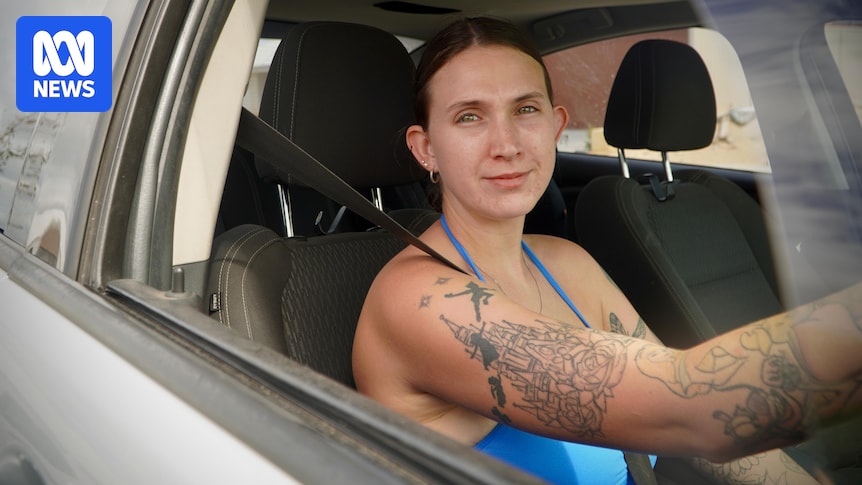
In Perth’s far northern suburbs, hospitality worker Madison Young says she’s “price watching everything”.

Madison Young is trying to limit the number of trips she needs to make. (ABC News: Jasmine Hughes)
“My daughter’s birthday was just recently, and I had to cut back on what she actually wanted to then accommodate what we can afford,” she said.
When going out for the birthday, Ms Young said her family all took a single car “instead of all meeting there, because who wants to waste all their fuel?”
Ms Young said she was also rethinking how many trips she needed to make with the car.
“I won’t do errands here, there, everywhere. I’ll go somewhere that has everything.”
She said she worked shifts that finished late at night, meaning public transport wasn’t easy to catch or safe.
“I have to work more to afford this cost of living crisis, basically, and if I don’t have fuel, I can’t go to work.”Western Sydney, NSW
Electronic technician Al Owaimirin lives in Sydney’s inner west but works in Blacktown, a 45-minute drive from his home.
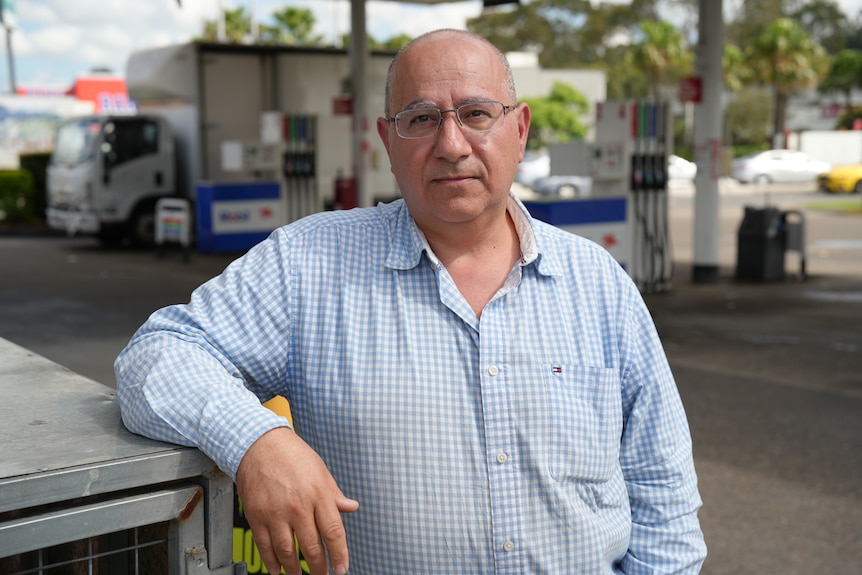
Sydney resident Al Owaimirin is worried his budget may blow out. (ABC News: Adam Griffiths)
The father of three had taken out a loan to renovate his house before the conflict in the Middle East began, but is now worried his budget will blow out.
“You don’t know what’s going to happen next, whether things will escalate,” he said.
Mr Owaimirin said he’d only put three-quarters of a tank of diesel into his four-wheel drive last week, rather than filling it up, because it was so expensive.
“The government should be doing more,” he said.
Enrolled nurse Amalie Keung lives in the western Sydney suburb of Seven Hills with her nine-year-old daughter.
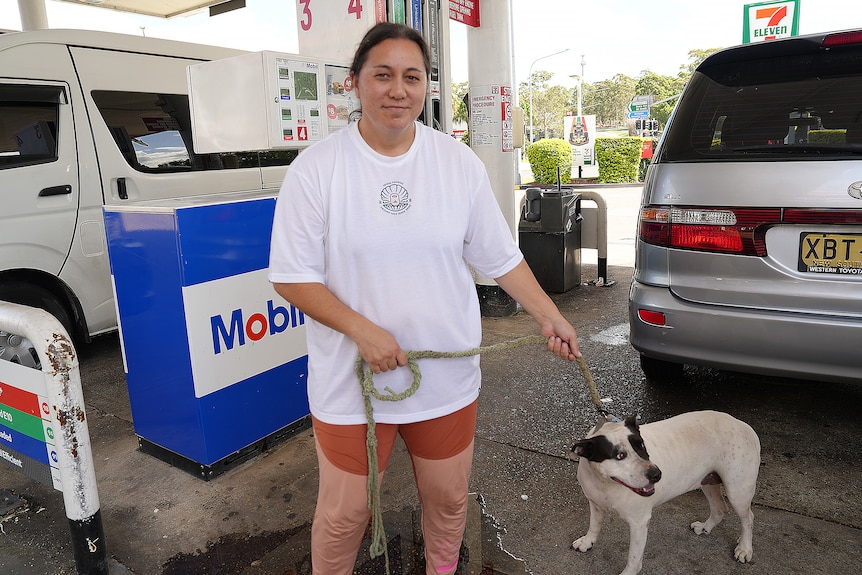
Western Sydney nurse Amalie Keung says taking her daughter to swimming and netball is putting pressure on her fuel costs. (ABC News: Adam Griffiths)
Ms Keung loves taking her daughter to swimming and netball after school, but said driving across suburbs to make it to the extracurricular activities had put pressure on her budget.
“You have to limit what you can do. Maybe we won’t go on holidays this year, or will do less on the weekends, or use public transport a bit more,” she said.
Cairns, Qld
In Far North Queensland, Innisfail farm owner Ricky Lee runs a stall at Rusty’s Market in Cairns. He says he’s never faced such high fuel costs in 30 years of running his family business.
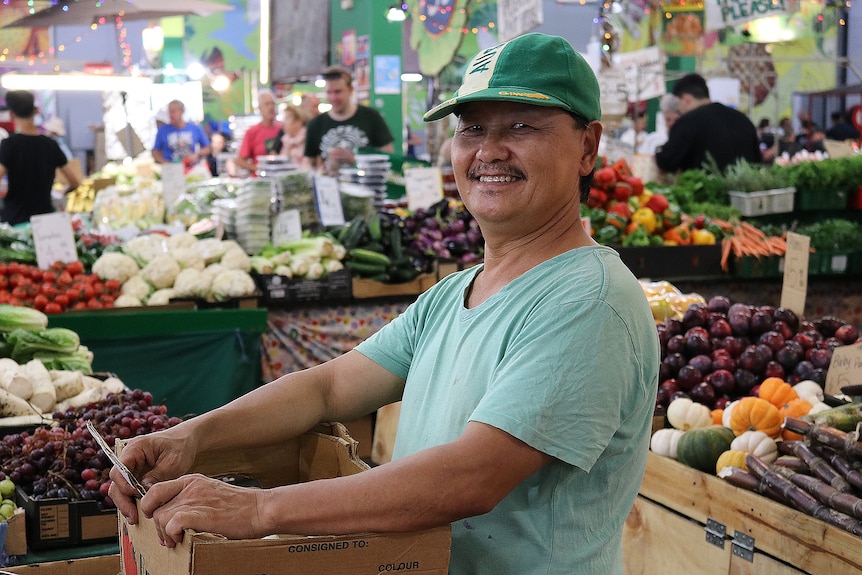
Innisfail stallholder Ricky Lee. (ABC News” Rosanne Maloney)
“This is beyond comprehension basically — way, way too high,” Mr Lee said.
Despite managing to withhold passing the extra costs on to customers, he said he would either need to scale back or raise prices eventually.
Public should not expect clear trigger for fuel rationing
“It’s costing us a lot more, and then it’s going to hurt the customers because they don’t have anything else, and then we don’t have anything on our shelves for the customers, that’s it,” he said.
Mr Lee said his family business was “doing what they can at the moment”.
“As a small farmer, we’re trying to reduce the amount of machinery and just use more manual labour.
“That’s the only way we could cut costs, and it’s a lot more hard work, but you’ve got to do it.”
Burnie, Tas
Mechanic Craig McLaren, from Burnie in Tasmania’s north-west, says there’s been a significant drop-off in customers bringing in their cars since fuel prices began to rise.
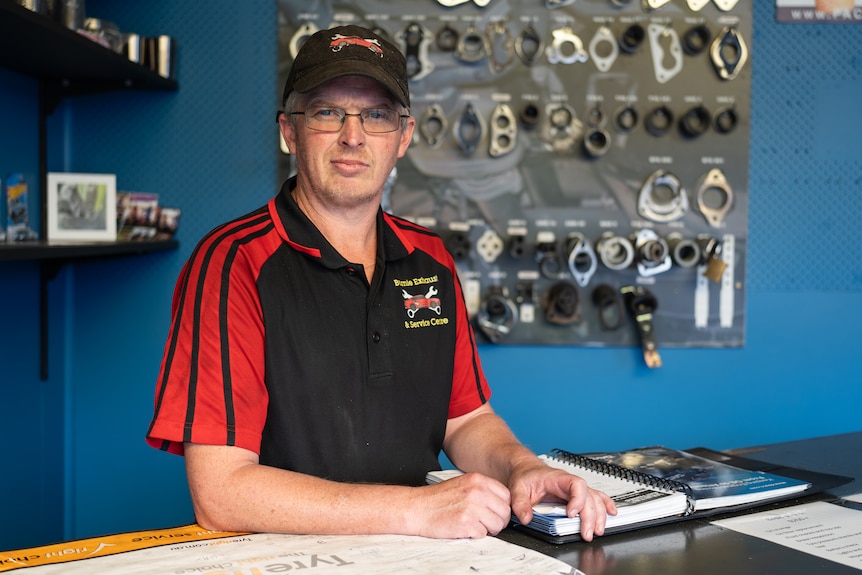
Craig McLaren is worried more for his business than his own fuel usage. (ABC News: Mackenzie Heard)
“We’re normally pretty busy, but that week, we had hardly anything at all,” he said.
“Paying the bills this month is very hard at the moment, because we lost business.”
Mr McLaren said business had since picked up, but he’d needed to increase prices for customers when ordering parts in to cover the cost of higher delivery fees.
Darwin, NT
Darwin public servant Frank Bentes says fuel prices in the Top End capital are getting “ridiculous”. He’s spent $80 filling up only a quarter of a tank.
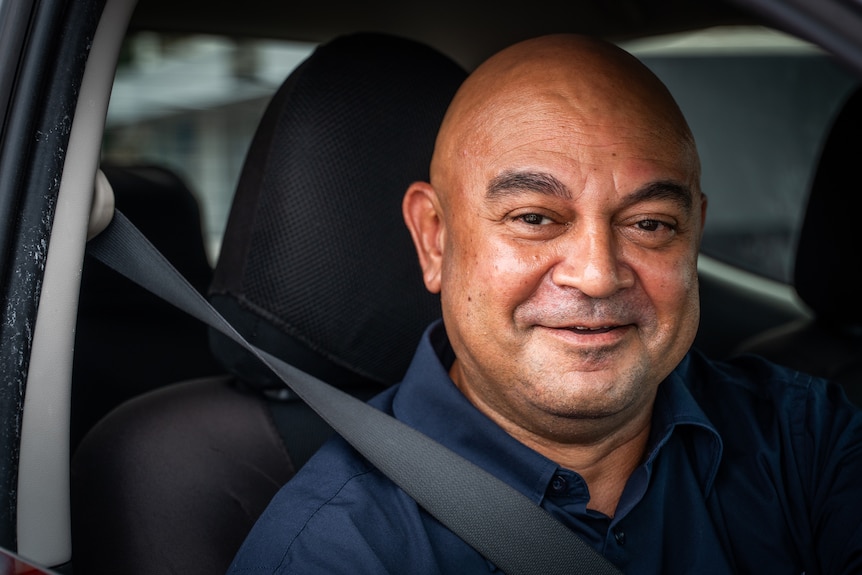
Frank Bentes says he’s being careful with how much he drives around. (ABC News: Peter Garnish)
“I’ve spent at least $400 to $500 in the last three weeks on fuel, just driving around,” he said.
“Every time you go shopping is the same; you’ve got to be careful what you’re buying. Meat is a luxury at the moment.”
Retiree Steve Walker said he managed to fill his 130-litre tank when fuel was still close to $2 a litre, but the continued rises were “not real helpful” for someone on a fixed income.
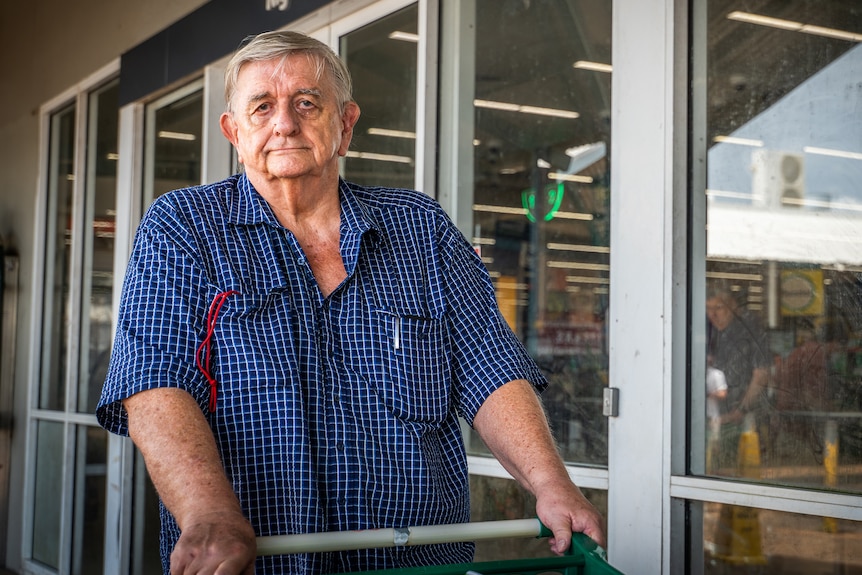
Retiree Steve Walker has a fixed income and can only stretch his budget so far. (ABC News: Peter Garnish)
“It restricts your movements a bit,” he said.
“If you want to go somewhere, fishing or somewhere like that, it’s a bit of an impost.
“It was $3.30 a litre today, crazy.”Brisbane, Qld
Flower shop manager Joyita Upchurch has just had to increase delivery fees by $5 after wearing the extra costs as long as she could.
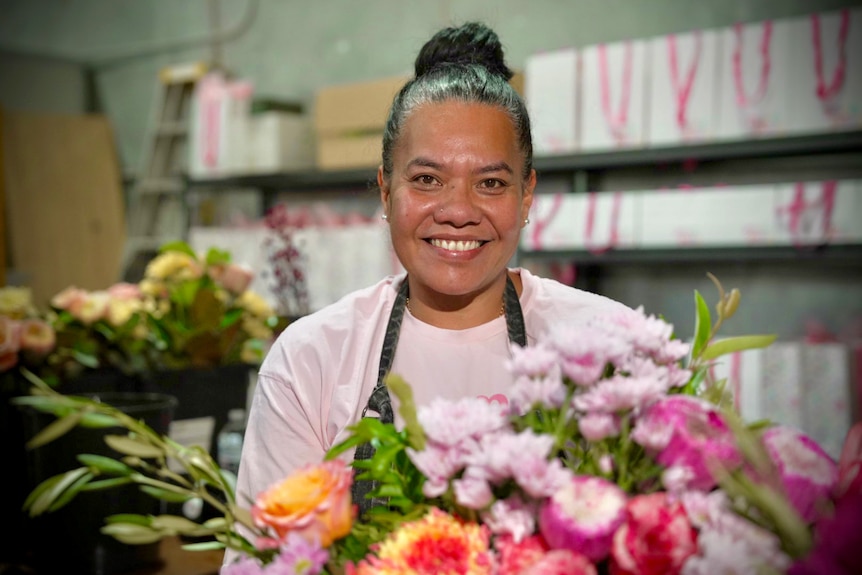
Florist Joyita Upchurch has had to raise delivery prices. (ABC News: Lucas Hill)
“Not a massive increase, but it’s enough just so we can keep getting our beautiful flowers out there.”
Ms Upchurch said the cost of everything was going up, and her budget had shrunk.
“It’s a wave that we all have survived, I think, for now, and, yeah, we’ll just ride it out.”
She would like to see the government introduce a fuel subsidy for small businesses that were struggling.
Geelong, Vic
South-west of Melbourne, Geelong truck driver Simon Brebner makes food and other stock deliveries to petrol stations.
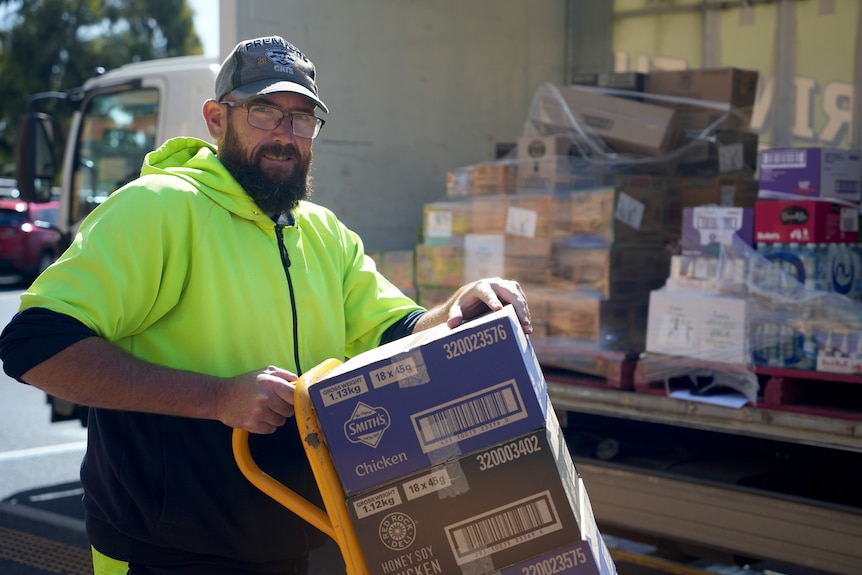
Geelong truck driver Simon Brebner says fuel needs to reach regional towns. (ABC News: Jonathon Kendall)
Since the Iran war started, Simon said his personal fuel budget had blown out.
“It used to cost me $60 for a tank; now it’s costing over $100 for a whole tank.”
Are we already in a recession?
One of the main changes he has had to make is to stop taking unnecessary trips in the car. He’s now “trying to walk everywhere a bit more”.
He said the current fuel situation was “pathetic” and that the government needed to do more to help struggling people.
“They should prioritise fuel … get it into small country towns where they’re obviously hurting,” he said.
“Without diesel, trucks stop.”
Port Pirie, SA
Trevor Edwards owns a share farm at Mambray Creek and used to make the 120-kilometre round trip to Port Pirie once a week. He now says he’s cut back to once a fortnight.
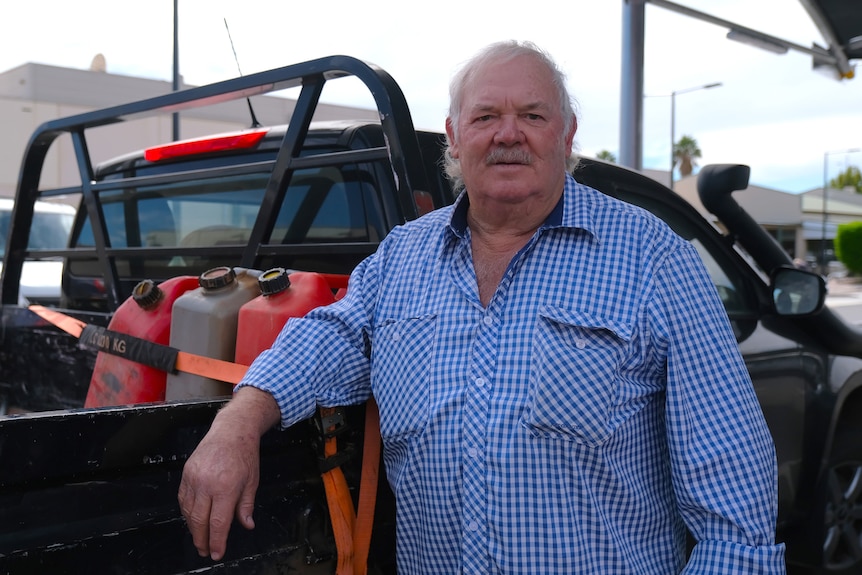
Mambray Creek resident Trevor Edwards is making fewer trips into town. (ABC News: Declan Durrant)
“Today, I had to come in to do eye tests for glasses. So everything fits into that: you get petrol for your weed spray units, petrol motors to put your crop in — you’ve still got to get that.”
Mr Edwards said his neighbours were using about 500 litres of fuel in 10 hours while seeding their farm.
“That’s a big cost on top of everything,” he said.
“Lots of farmers will be scratching their heads.”
Stanthorpe, Qld
Fourth-generation Queensland farmer Connie Taylor says the cost of fuel is making them reconsider freighting produce interstate.
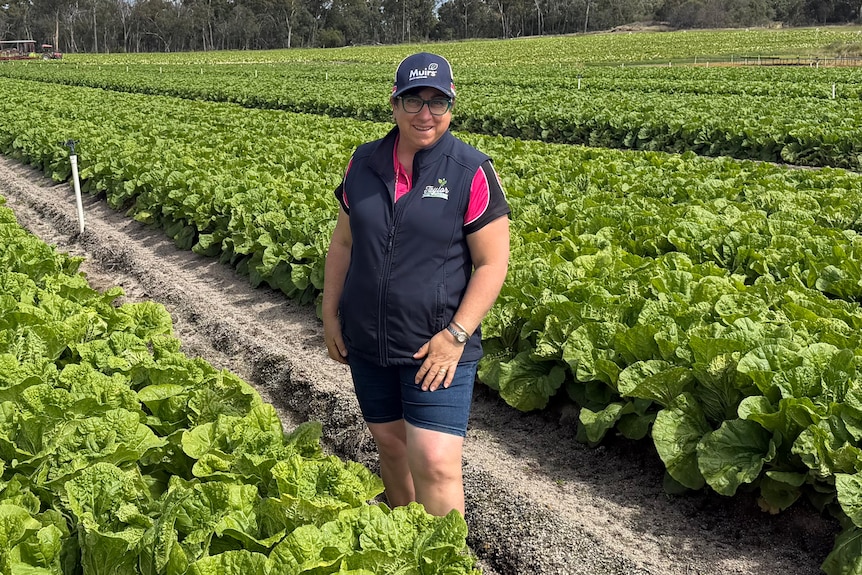
Connie Taylor says they may stop selling interstate to avoid costly freight charges. (ABC News: Daniel McCray)
The Southern Downs farm produces “leafy green vegetables” and uses a freight company to distribute to Sydney, Melbourne and Adelaide.
“The fuel’s been our most ridiculously impossible thing to manage,” Ms Taylor said.
“We’re just revisiting the fact that we might have to stock that for a while and just do our local produce, which goes to Brisbane, and we use our own transport.”
Ms Taylor said freight costs alone added up to more than $6,000 a day.
Loading…