
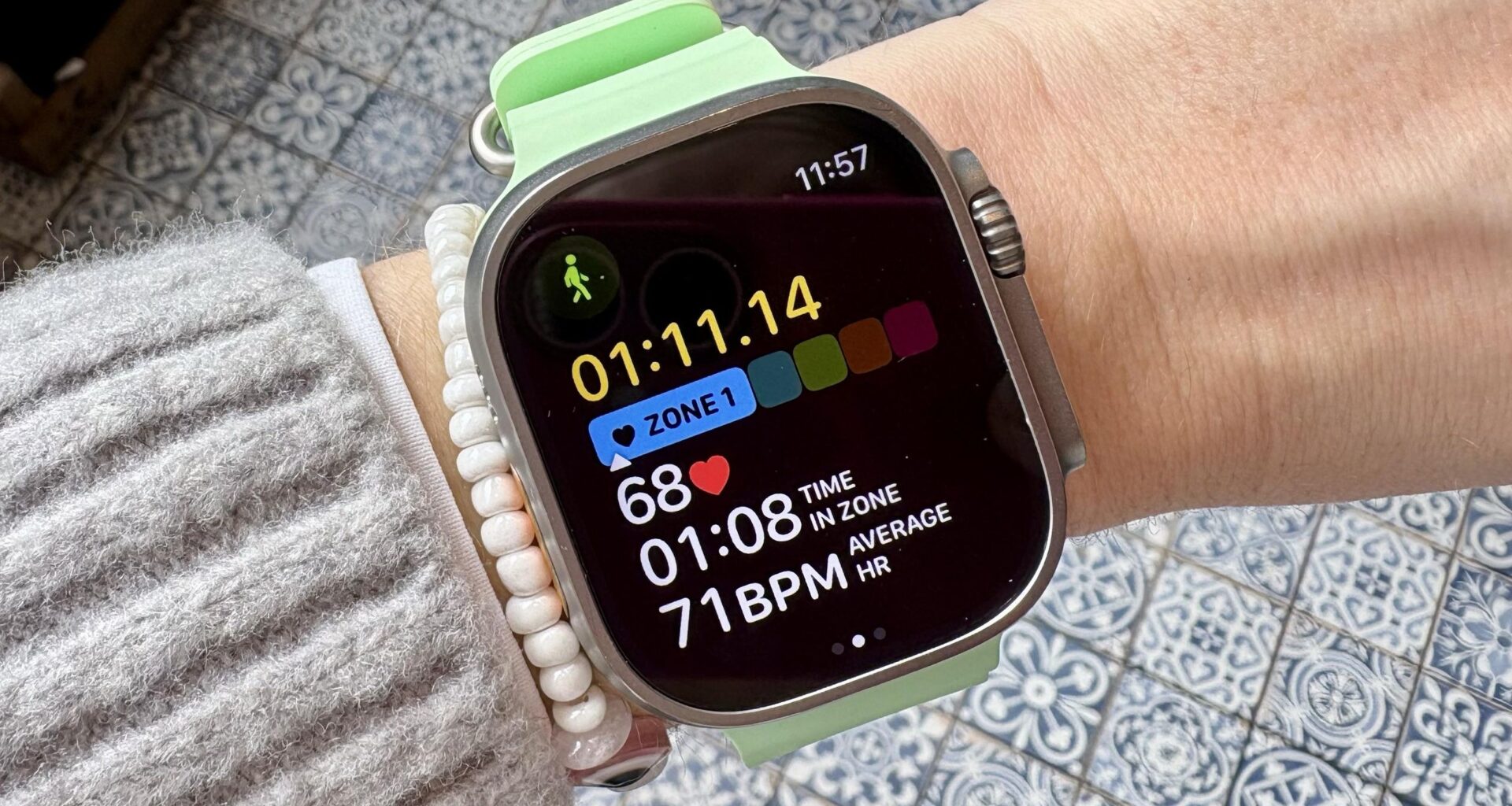
I’m a fitness editor and marathon runner, and I’ve been wearing the Apple Watch for the past decade and I’m here to tell you about the simple feature you’re probably not using — Heart Rate Zones. When used correctly, they can transform your watch from a simple heart rate monitor, to a far more sophisticated tool that can help you train smarter, and avoid injuries.
Apple introduced heart rate zones onto its watches in September 2022, giving wearers the option to track exercise intensity in real-time across five different zones. These zones are calculated automatically based on health data, or you can adjust them manually — read on to find out how.
How to adjust your heart rate zones
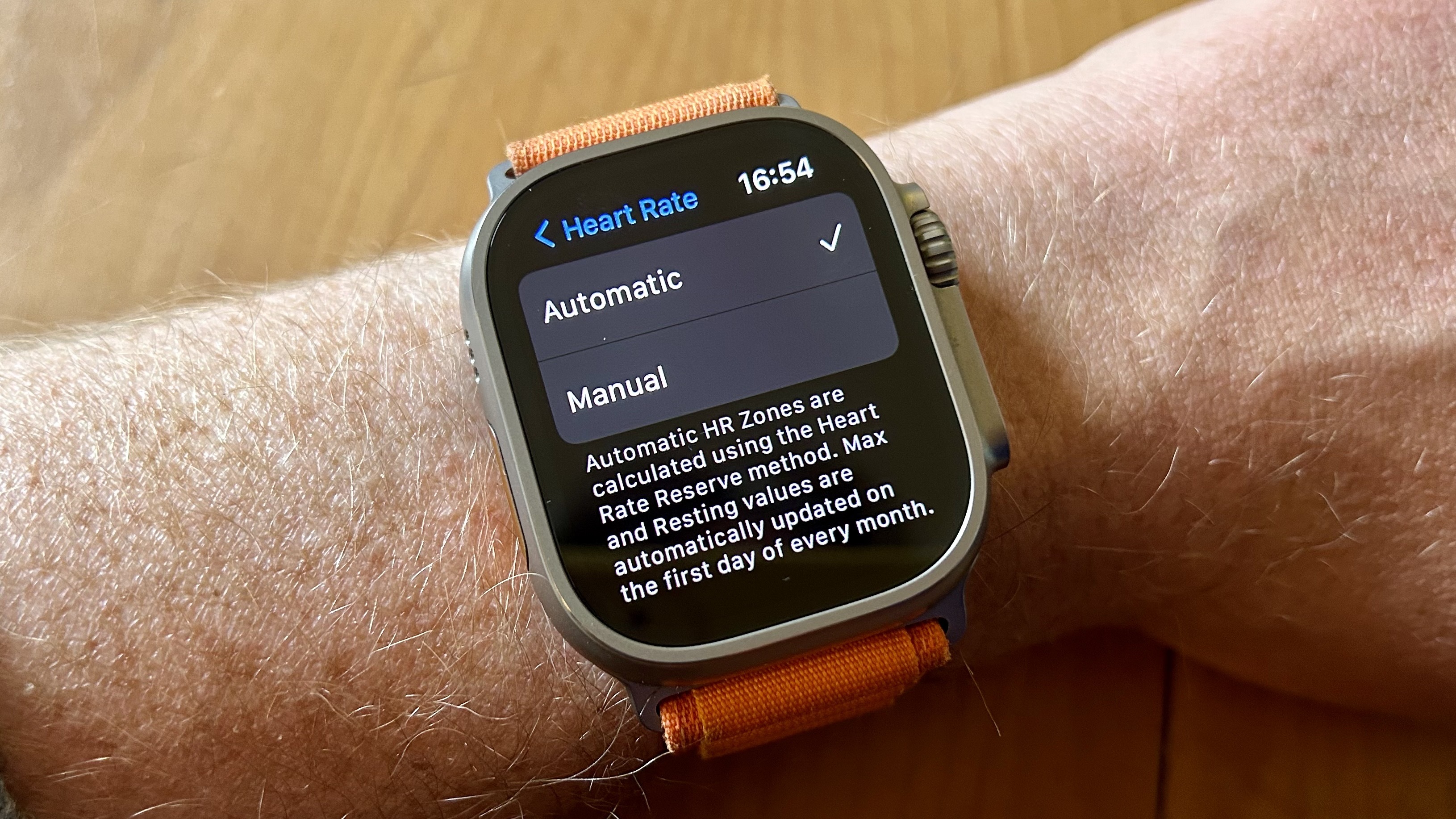
If you’re already wearing one of the best Apple Watches, your watch will already have been collecting data to estimate your heart rate zones, based on your current fitness level. This is generally more accurate than the “220-age” formula, but if you’ve done tests to find your specific Max Heart Rate, you can enter your own data to make your data more reliable.
Article continues below
You may like
To find your heart rate zones during a cardio workout, use the digital crown to scroll upward, and the heart rate zones will appear. You’ll see your current BPM, your current color-coded zone, and how much time you’ve spent in each zone so far.
(Image credit: Future/Tom’s Guide)
To manually adjust your heart rate zones, head to the Watch App on your iPhone, click My Watch in the bottom left, then scroll to Workout, then Heart Rate Zones. From here, switch from Automatic to Manual, and tap on each zone to enter your specific BPM ranges.
What are the benefits of using the Heart Rate Zones when training? ‘Zone 2’ training
You’ve probably heard about the magic zone 2, but it is not just another fitness fad, it’s a scientifically proven method utilized by athletes and fitness enthusiasts alike to enhance cardiovascular fitness and endurance. For example, one study published in the Healthcare journal demonstrates how a group of cross-country ski athletes improved their athletic performance by taking up zone two training. It’s not limited to skiing, it’s a popular training method used frequently in endurance sports like running, cycling and swimming.
Training in zone 2 can improve the body’s mitochondrial efficiency, meaning your body is more efficient at burning fat for fuel. By keeping an eye on your Apple Watch during your training you can ensure you’re not pushing yourself too hard during ‘easy’ runs.
Prevents overtraining
It’s a common pitfall many runners fall into — pushing too hard on days that are supposed to be ‘easy’. The Apple Watch color-codes the different zones, so if you see yourself pushing into the red zone 5 on a recovery cycling session, it’s a signal to slow down. This helps prevent injuries in training blocks.
Teaches you about effort awareness
If you’re run down, exhausted or getting ill, your heart rate will tell you. Training to your heart rate will help give you a better idea of how to “feel” your intensity. Most running coaches will stress the importance of being able to hold a conversation in a Zone 2 jog, but if you’re running alone, it can be tricky to gage how to pace your run. Using your heart rate is a great indicator.
What’s more, as you get fitter and stronger, your heart rate zones will change as your resting heart rate will drop, and your heart will become more efficient at clearing lactic acid. The Apple Watch will update your zones automatically, helping you to increase your pace, while still ensuring you’re not pushing yourself too hard.

Follow Tom’s Guide on Google News and add us as a preferred source to get our up-to-date news, analysis, and reviews in your feeds.
More from Tom’s Guide