
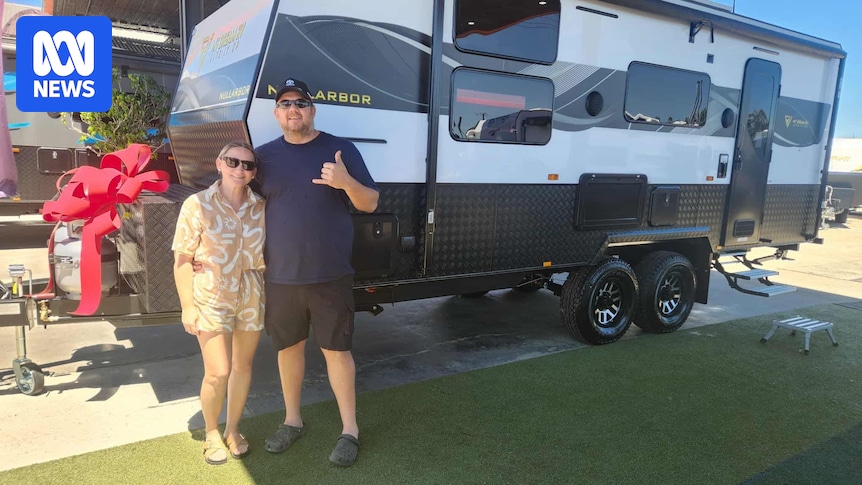
Lying in a hospital bed after a major health scare, Jay Sinclair realised life was too short and began planning what many Aussies dream, travelling a big lap of the country.
“I’ve always wanted to go around Australia [and I thought] now’s the time to do it,” Mr Sinclair said.
“There’s nothing like getting sick to sort of realise where you are in life.”
Jay, in his early 40s, spent two weeks in an intensive care unit with septicaemia after issues with his bowel.
When fully recovered, he and his wife Christie packed up their belongings, bought a caravan and hit the road for their trip of a lifetime.
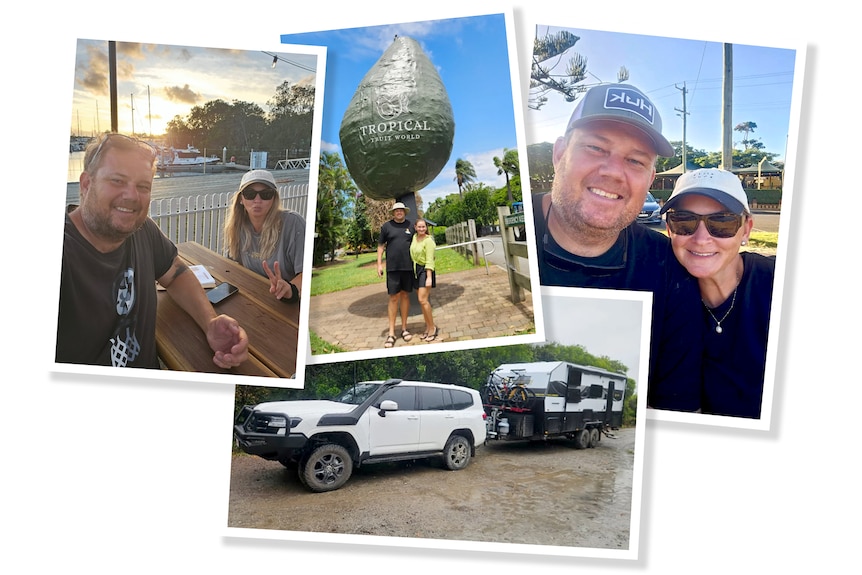
The couple plans to travel the country in their caravan for 12 months. (Supplied: Jay Sinclair)
The pair set off from Rockhampton in central Queensland in February, with plans to travel for 12 months. This was before war in the Middle East broke out.
Like many full-time caravanners, the couple has been caught off guard by surging fuel costs.
Social media travel groups have been flooded with comments from people affected by the sharp increase who are in the process of cancelling or altering their plans.
“It kind of takes the fun out of what you’re looking at because you’re too busy looking at your fuel gauge and the dollar signs in the back of your mind, rather than enjoying the beauty that’s in front of you at the time,” Jay said.
“Rather than pulling into the towns and spending a bit of money and having a bit of a look around, you’re kind of confined to the caravan parks and smaller trips.
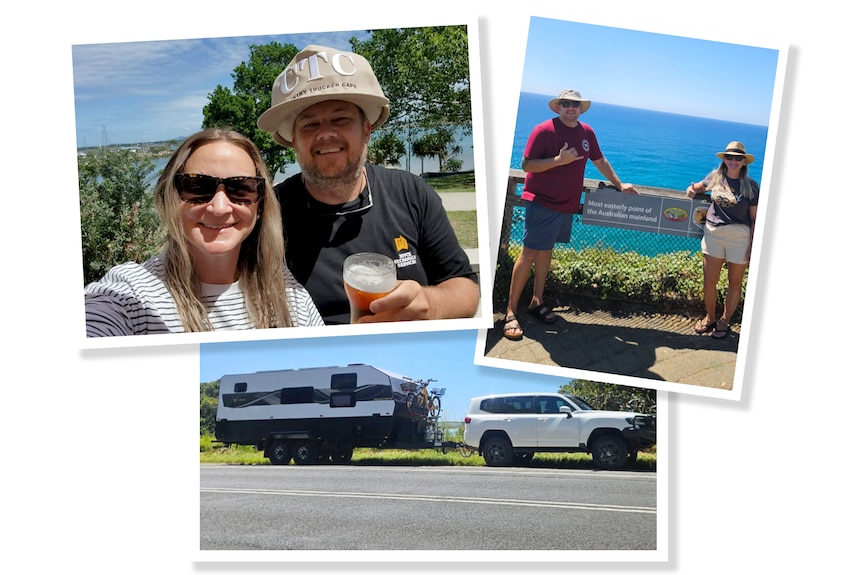
The Sinclairs say some of the towns they have visited have run out of diesel. (Supplied: Jay Sinclair)
“There has to come a time when there’s a [fuel cost] that’s just unsustainable because all we’re doing is just burning diesel for the sake of burning diesel.”
The Sinclairs spent extra money on their caravan to ensure they could live off grid sustainably, but fuel supply has become an issue.
“There comes a time where you’re just too worried about going off grid and travelling 200 to 300 kilometres just in case you can’t get fuel,” Jay said.
“We’ve been to a few places now that don’t have fuel, service stations have signs up saying “no diesel”.
“The only way you can sort of get around it now is, even if you’ve got half to three-quarters of a tank, you’ve just got to keep fuelling up along the way, just in case you go somewhere that has one of those signs and catches you out.”
The Sinclairs said the announcement by the federal government earlier this week to halve the fuel excise for three months made no difference to their travel plans or revised fuel budget.
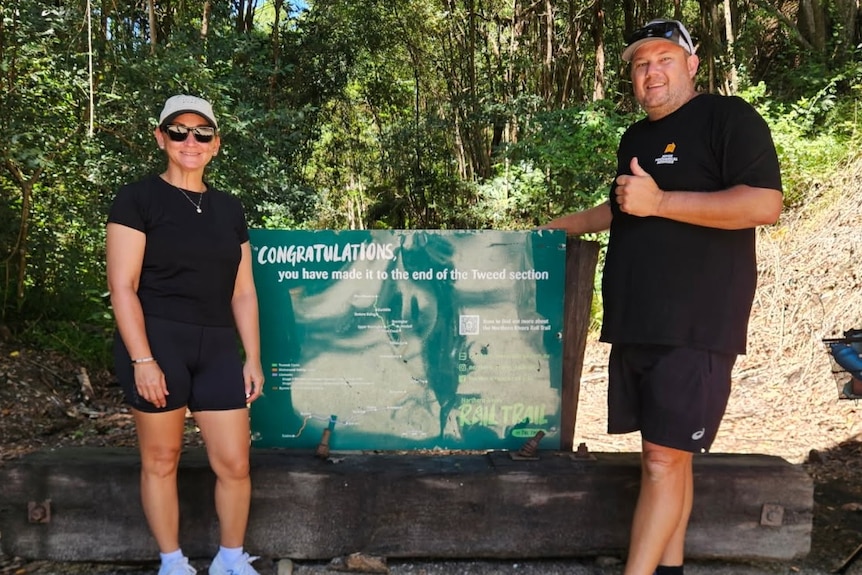
Jay says he regularly tops up with fuel in case there are supply issues along the way. (Supplied: Jay Sinclair)
Helen Lloyd has travelled full-time in her van since just before the COVID-19 pandemic and has decided to stay longer in a caravan park in Shepparton in Victoria.
“I call it the Claytons lockdown, the lockdown you have when you’re not having a lockdown,” she said.
“I’m 70 so, for me, it’s the safest, most pragmatic way to manage the situation without buying into the dramas.”
She said she was more concerned about fuel supply than cost.
“I wanted to feel like I was somewhere safe enough that if the supply diminished significantly, I was still able to get food,” she said.
“Some of the people [in the caravan park] that were here, were on their way from Queensland through to South Australia and beyond, and some of them got to South Australia and were heading back.”
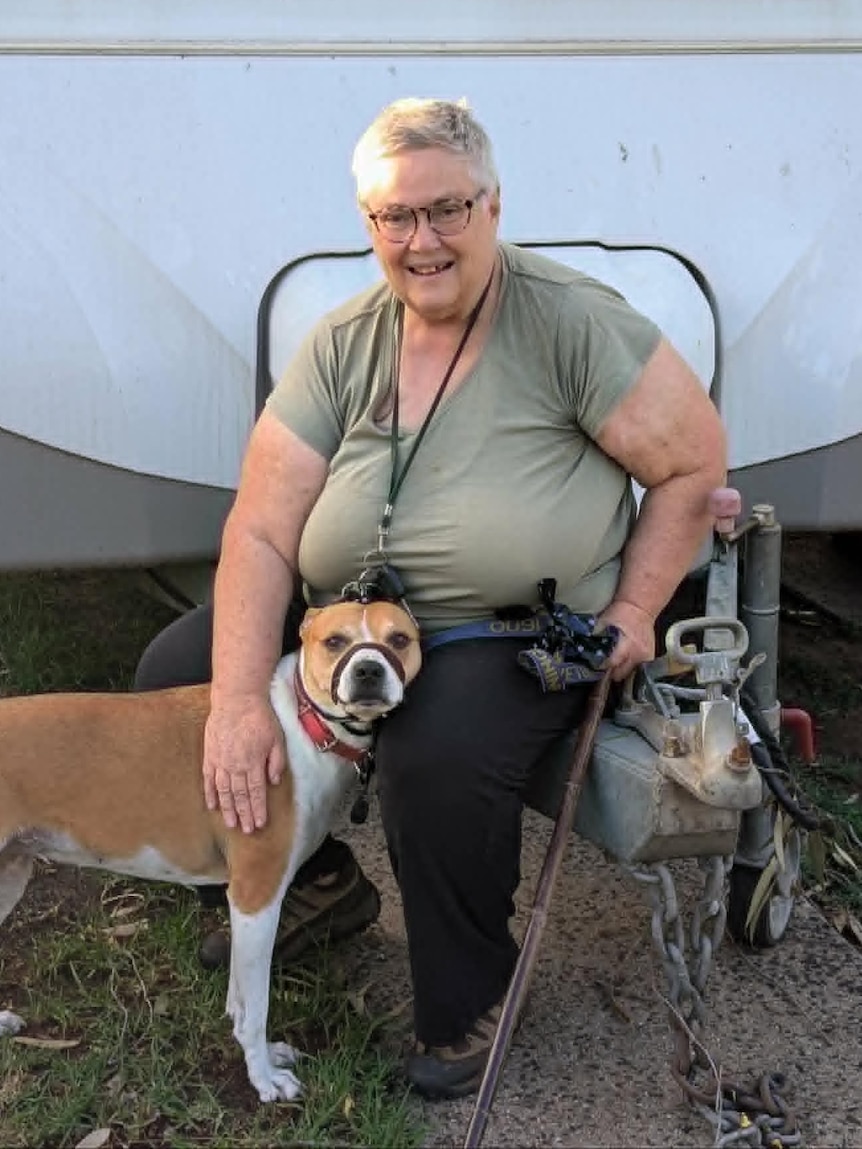
Helen Lloyd says she feels like she is living through another lockdown. (Supplied: Helen Lloyd)
Karen Dillman and her husband left the Sunshine Coast in January for a six-month trip to Western Australia and they have bookings secured for the next 10 weeks.
“We are further away from home than we are to our end destination, so there’s no point in us turning back,” she said.
“The [fuel] supply is the thing of most concern to us. If it becomes an issue, we will have to be careful with day trips from areas that we’re in so that we are conserving fuel.”
How to keep on-road costs down
RACQ’s principal economic and affordability specialist, Ian Jeffreys, said while the ‘unprecedented’ fuel costs were unfortunate, there were ways travellers could reduce their fuel consumption.
“On long trips, use your cruise control … and going 10 kilometres per hour slower will dramatically reduce the amount of fuel that you use and not add too much to your trip,” Mr Jeffreys said.
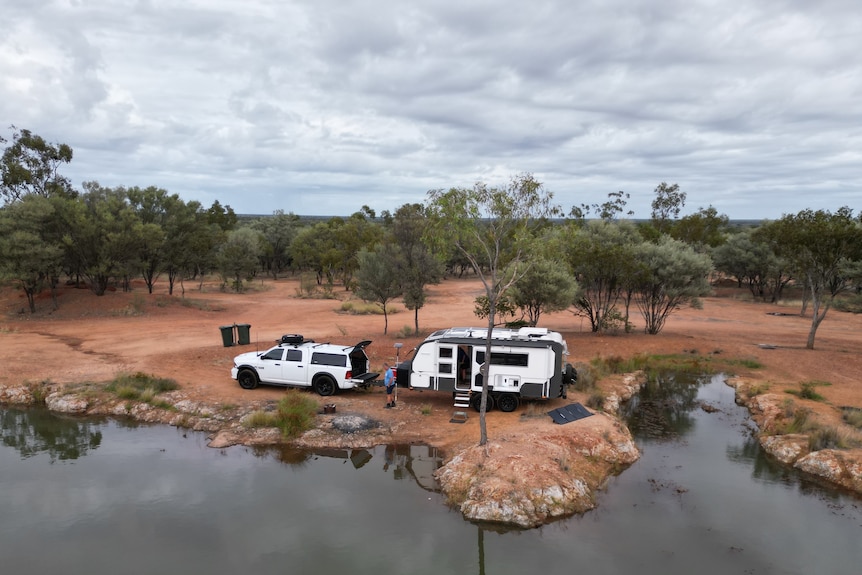
The RACQ says travellers can reduce fuel consumption on long trips by using cruise control, driving a bit slower and more smoothly as well as having properly inflated tyres. (ABC News: Peter Quattrocelli)
“Driving smoothly, no harsh braking or acceleration, is really the key, that’s what’s going to deliver the biggest savings.
“Removing any excess weight from your vehicle, that will also bring your fuel use down, [and] making sure your tyres are properly inflated, as under-inflated tyres will use considerably more fuel.”
Loading…