
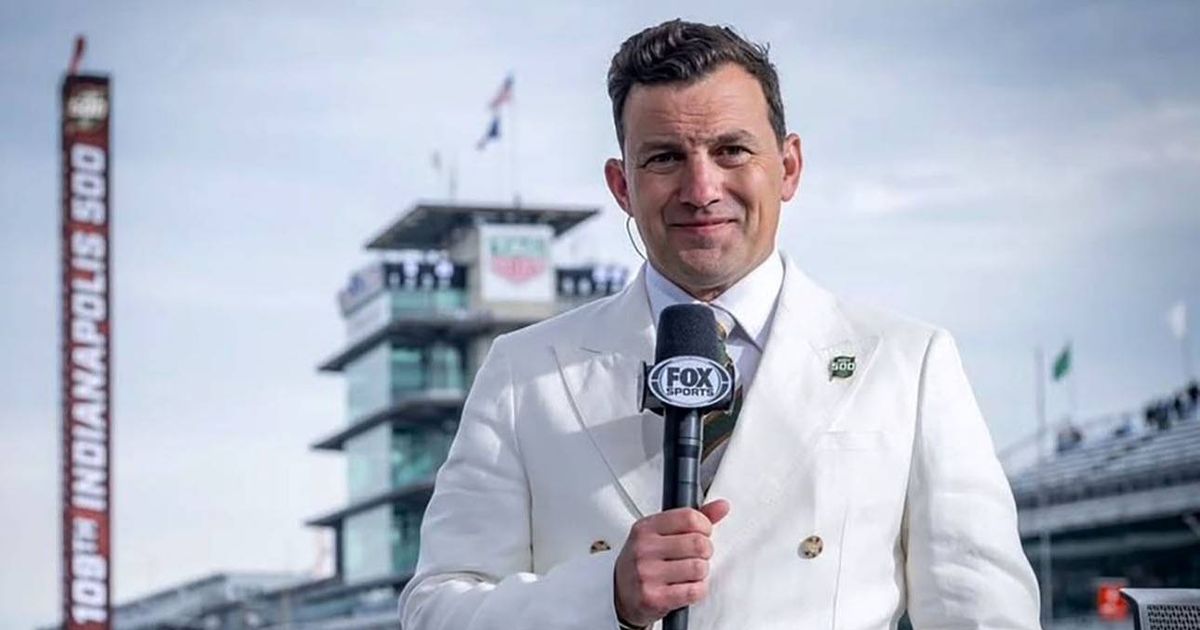
The unrest around Max Verstappen and the 2026 regulations has exposed a deeper divide within our sport. From across the pond, Formula 1 exile turned the voice of IndyCar, Will Buxton backs the Dutchman’s concerns that the sport is losing its core identity.
With Verstappen openly questioning his future and criticising the racing product, the issue has moved beyond performance. Buxton frames it as a structural problem, one that has been building for years and is now fully visible after a chaotic start to the season.
Speaking on the Up To Speed on YouTube, Buxton recalled the journey from the concept of these Formula 1 Power Units to the current state of play: “Your big issue right now is the people determining these changes didn’t stop this from happening. As far back as 2023, there were warnings. Max said the 2026 cars would be awful, that drivers would be lifting on the straights, and that there would be a huge difference compared to current Formula 1 unless changes were made.
“A year ago, Fred Vasseur went to the FIA and asked if they were sure about the regulations because race starts would be difficult. Nothing was changed. The regulations were designed to bring in new manufacturers.
“That worked with Audi, Ford and Honda. But then they cut costs by removing the MGU-H without adjusting the 50/50 power split. That’s the core issue. You’re deploying energy faster than you can harvest it. How did nobody see this coming? These are supposed to be the smartest people in the sport, and now they have a month to fix it.”
Regarding the current state of play and furore that is dividing the sport, Buxton said: “You’ve got to take Max at face value. When he’s talking about quitting and doing other things, he has achieved more than I think he ever thought he would in the sport. You guys spoke to him pre-season, and he was very honest with you.
“Ultimately, only you as professional sportspeople know what it is to face that reality of when do I walk away. When do I walk away from the thing that I love and go and pursue something else?
“I don’t think he’ll walk away from racing entirely, but will he walk away from Formula 1 if he’s not happy anymore? He has issues with the media and has had them for a long time. We’ve all had run-ins with him over the years. I certainly have. Is there something performative in it? Potentially. But at the same time, there’s clear frustration there.”
A message Formula 1 cannot ignore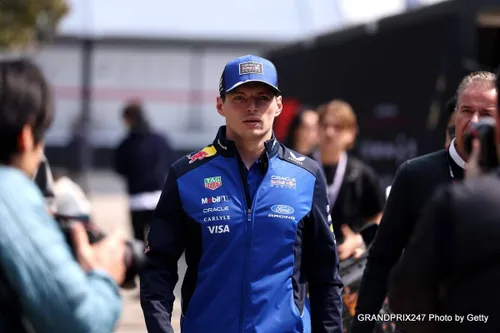
Buxton believes Verstappen’s stance carries weight far beyond a single driver complaint. The sport’s biggest star publicly questioning the product puts pressure on the FIA and Formula 1 to respond.
He pointed out: “Nothing is going to send a message to the governing body and to the owners of the sport quite like your poster boy, your four-time champion, Max Verstappen, turning around and saying not only do I hate these regulations, but I hate them so much that I’m going to leave the sport in which I am a full-time champion.
“One of the really interesting things is that we’re now talking about it from a safety perspective rather than just how the drivers race or whether it’s down to them to relearn their craft. At a circuit like Suzuka, the difference between the great and the good was who could go that extra half percent, that extra percent, and do what the other drivers couldn’t or didn’t do.
“Now, as Fernando said over the weekend, I reckon 50% of the people working on his team could drive that car. So if you can drive a Formula 1 car these days at about 75% of your full capacity, then that gap between the great and the good no longer exists. And if the gap between the great and the good no longer exists, then why would a driver like Max find any joy in that anymore?”
Buxton’s argument cuts deeper than performance. He is pointing to a shift in what defines elite driving, and whether the current cars are masking the very skill that once separated the best from the rest: “You’ve got a situation now where you have to make changes because of the Bearman crash being the realisation of the fears that the drivers were voicing right from the start of the year.”
“It’s no longer teams complaining because they don’t have a competitive advantage, or drivers complaining because they’re not used to driving cars like this. They’re actually able now to come together under the banner of safety and say this is dangerous, and it’s been proven.
“At the start of the year, it was a competitive argument. Now you’ve got serious issues: one, danger, and two, entertainment. If both are under threat, then you have to make changes.
“The question is, how much can you change when so much time and money has been thrown into these engines? Are you stuck with what you’ve got? Is it just going to be software modifications? What can you actually change?”
That yo-yo effect feels very fake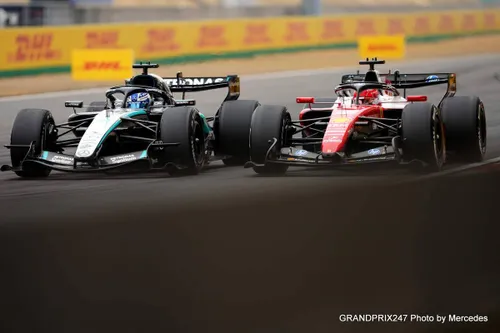
Buxton also highlighted how the current cars have changed the visual spectacle of Formula 1, particularly in high-speed sections where drivers are no longer operating at the limit: “If I look back to Australia, that quick change of direction out the back by the lake, watching the F1 cars go through there this year was thoroughly depressing, because they were lifting or slowing down due to harvesting and superclipping.
“Watching the F2 cars go through there was awesome, because they were on the edge, skittering about, struggling for grip. That was maximum commitment. Were they slower lap times? Yes. Did they look more impressive? Yes. So I’m with you. I’d take a decrease in overall power if it means we don’t have to see drivers lifting off and not being at the limit.”
Buxton then addressed the nature of overtaking under the new rules, arguing that while passes are happening, they lack authenticity and feel artificial: “The frustration comes when we got rid of DRS, racing was supposed to go back to being pure again.
“Now you have a driver using all their deployment to overtake, and then they’ve got nothing left to defend, so another driver just comes straight back past. That yo-yo effect feels very fake. It’s overtaking, but it’s not what we’d understand as a real pass, a gutsy, brave manoeuvre.”
Buxton’s conclusion is stark. Formula 1, in his view, is at a turning point and risks losing part of its identity if it does not respond correctly to the current situation: “It’s like people need an intervention. Formula 1 needs a reality check right now. They’ve gone down a path to bring new manufacturers in, but have they sacrificed some of the soul of the sport? I’d argue they have.
“They’ve recognised that since race one and said they’d wait a few races before deciding what to do. That’s good. I want Formula 1 to succeed. But right now, it feels contrived and false. The teams have the opportunity to upgrade their engines anyway, so decisions need to be made quickly. We can’t just sit on our hands. They’ve got to figure this out fast.”
For Formula 1, the pressure is now unavoidable. With drivers, pundits and fans questioning the product, the next steps taken by the FIA and the sport’s leadership will define whether this regulation era stabilises or continues to fracture the grid and its audience.
(Will Buxton speaking to UpToSpeed YouTube Channel)