
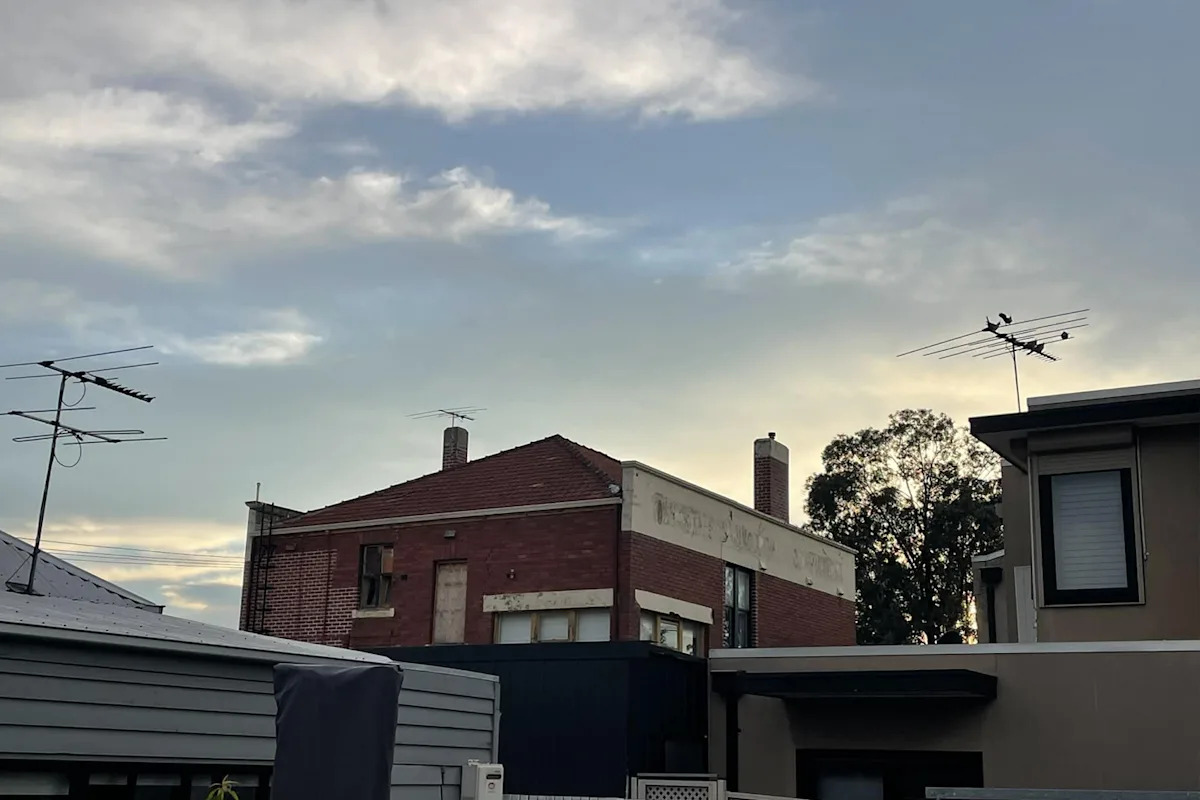
An icon of suburban Australia that’s dominated the skyline since the 1950s television boom is set to progressively vanish.
Antennas are no longer needed to watch our favourite shows in the digital age, but with their loss, there will be an unintended impact on the wildlife that lives in our backyards.
Although not intended as perches for magpies, turtledoves, kookaburras, wattlebirds, and lorikeets, the long metal elements make an ideal perch, high above prowling cats and dogs.
The loss of antennas will be gradual, but they’re unlikely to be added to many new estates, and eventually be removed from old houses.
The issue may seem trivial, but there are few safe refuges available along our streets for birds, and they’re being further squeezed as governments prioritise density over green space.
Professor Sarah Bekessy, an urban design expert at the University of Melbourne and the independent expert group, the Biodiversity Council, explained there are several wildlife-friendly features that are gradually disappearing from houses.
“Another one is draft proofing,” she told Yahoo News.
“The more we block up every little hole and gap, it means animals that used to use wall and roof cavities for habitat can’t do so any more.”
Aussies can share their homes with 1,000 animals
Professor Bekessy said most people underestimate how many animals they share their homes with.
A 2023 University of Queensland study published in the Scientific Naturalist found that a Brisbane study found 1,000 macro-organisms could be found in a single metropolitan property.
“Animals use our houses all the time for habitat without us being intentional about it, because they have to,” Professor Bekessy said.
“And often we don’t think through the implications of removing features like antennas.
“I’m not saying we should keep them, but maybe we need to provide other kinds of roosting habitat to replace them.”
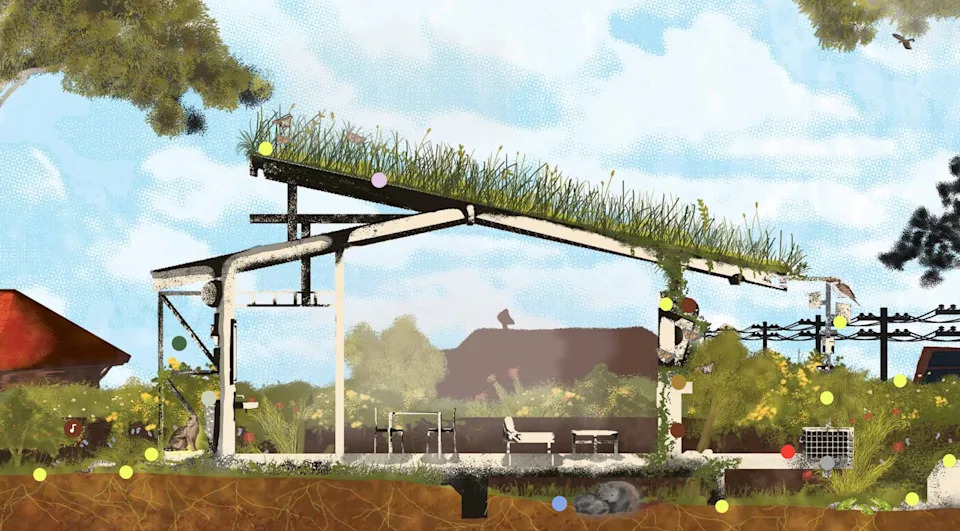
A recent exhibition in Melbourne highlighted how backyards can be changed to help wildlife. Source: NGV
Plan to redesign houses with wildlife spaces
Melbourne University PhD candidate Bethany Kiss is currently working through a data set of 76,000 records from rescue group Wildlife Victoria, to understand how animals were using different parts of buildings.
Her work categorised the many ways animals use our homes, finding areas that mimic their natural habitat, like wombats sleeping under homes instead of burrows.
She believes a solution to helping Australia’s wildlife is to include purpose-built nooks and dens in biodiversity plans, which are becoming more common in Germany and the United Kingdom.
These design standards could sit alongside those for energy ratings, fire safety, and accessibility.
“An architect could consult with an ecologist in the same way they would with an engineer,” she told Yahoo News.
She’d like to see a cultural shift where homeowners don’t see wildlife in buildings as a problem, but something that could be encouraged.
“Every house could have something for local biodiversity — maybe an eave for a swallow, or a cavity for a possum, and a garden that connects to other habitats down the street,” she said.
“I don’t think any of that is too crazy.
“It’s not that technically hard to do, it’s just not how we think about design, so we need to stop thinking about our cities and buildings as just human spaces.”
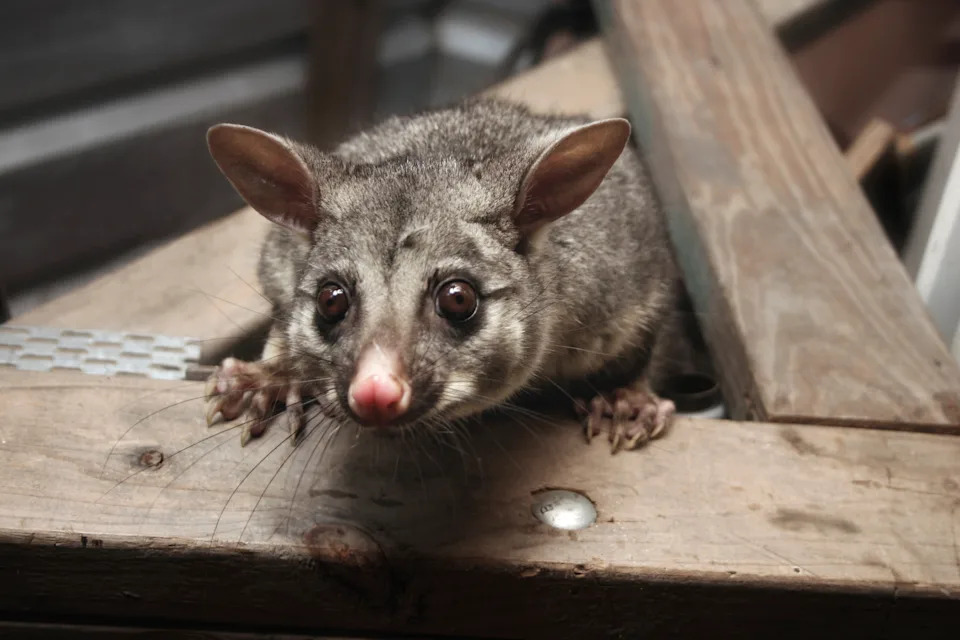
Wildlife is often forced to live in our homes because all the natural habitat has been destroyed for humans. Source: Getty
(Getty Images)Simple steps to encourage wildlife showcased
Professor Bekessy’s team recently showcased specialised designs that could help nature in backyards at the National Gallery of Victoria.
While it’s well-known that synthetic turf kills microorganisms beneath, the exhibition also highlighted that concrete slabs under houses do the same.
It showed how a raised floor allows spaces for wildlife to live, insect hotels in backyards encourage native bees, and air conditioners can create shallow puddles that butterflies need to sip water.
Along with helping the environment, encouraging wildlife into yards also increases happiness in people.
“It makes you feel more at home, and it’s really good for your physical and mental wellbeing,” Professor Bekessy said.
Do you have a story tip? Email: newsroomau@yahoonews.com.
You can also follow us on Facebook, Instagram, TikTok, Twitter and YouTube.