
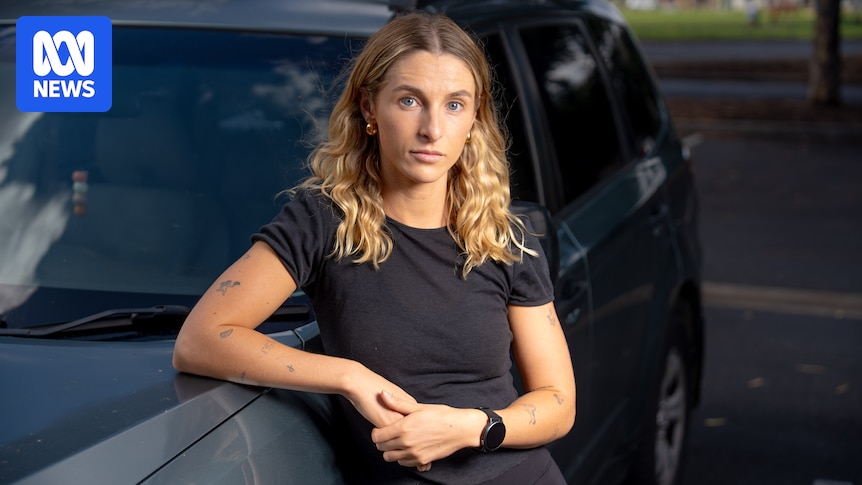
Working three jobs means Maddi Lynott is always on the move.
The part-time nurse, Pilates instructor and florist is one of a growing number of Australians factoring rising fuel costs into a tightening budget.
“I’d say roughly I’d go through a tank within a week-and-a-half,” Ms Lynott said.
“It’s ignorant not to acknowledge that it’s relevant to what is going on overseas but having to pay $120 to fill up a tank, something has got to give for me personally.
“I can’t afford to be filling that up every week or so on top of groceries and a mortgage.”
The Adelaide woman is considering buying a bike as a cheaper option for short distance trips.
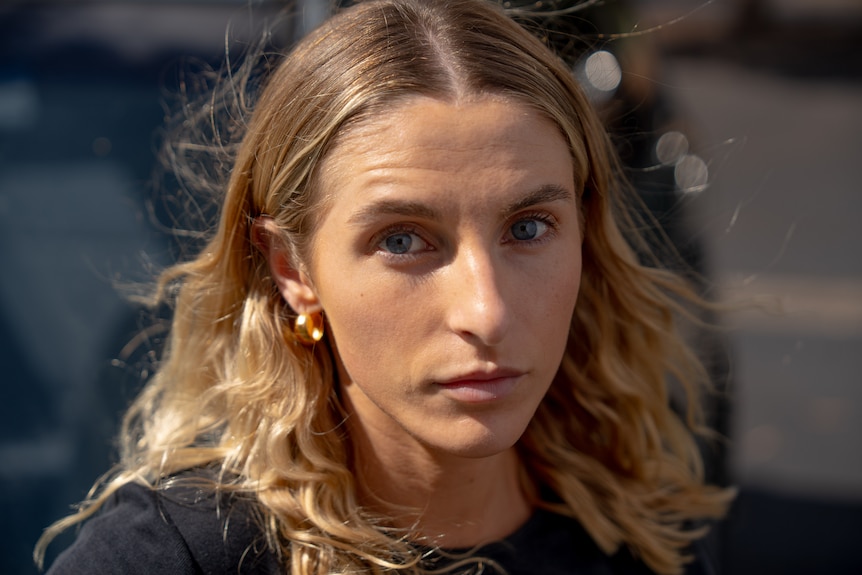
Maddi Lynott, who works three jobs, says the fuel crisis is hitting many people’s hip pockets. (ABC News: Lincoln Rothall)
Ms Lynott said financial worries were felt collectively among her circle of friends and family.
“I don’t think it’s people who are just in a lower financial bracket who are struggling, it’s everyone,” she said.
“People are always concerned about money, it doesn’t matter how much you earn.”
Public transport on the rise
Ms Lynott is not alone is seeking alternatives.
SA treasurer rules out free public transport, for now
South Australia’s Department of Infrastructure and Transport said it has anecdotally seen a “very slight decrease” in traffic across some key roads over the last week.
“Traffic volumes commonly vary from day-to-day and can be influenced by weather, events, roadworks and traffic incidents,” a spokesperson said.
“The department will monitor traffic over the coming weeks.”
Across the Adelaide Metro network, the demand has been more evident with thousands of additional daily trips.
“Weekday patronage across the bus, train, and tram network increased by around 3 per cent between 16-22 March, compared to the same time last year,” a department spokesperson said.
“This data has been normalised to exclude events, festivals, and any outliers.”
The department said the increase represents roughly 7,300 extra trips per weekday, which brings the total average to more than 261,000 per weekday across the entire network.
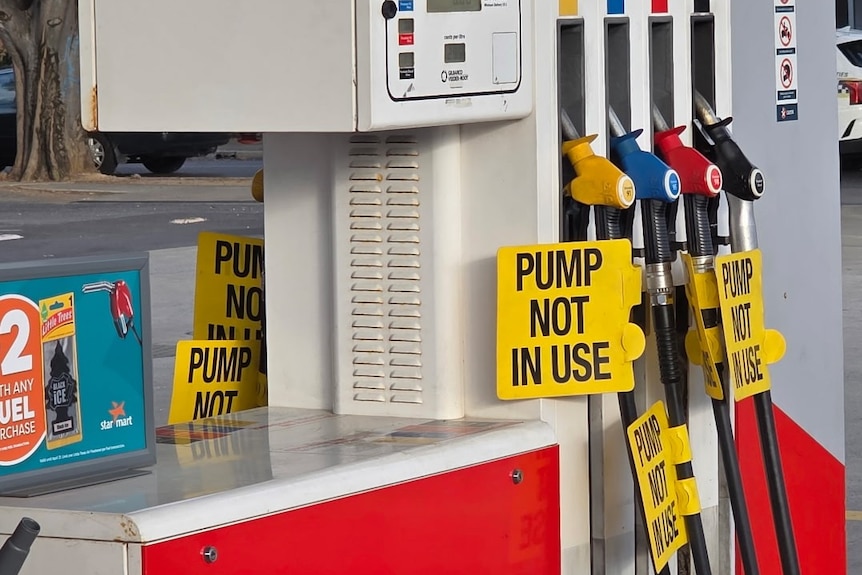
Some fuel types are out of stock at Adelaide service stations. (ABC News: Stacey Pestrin)
The halving of the fuel excise came into effect on Wednesday but Prime Minister Anthony Albanese in a rare national address urged motorists to use public transport instead if they can.
“That builds our reserves and it saves fuel for people who have no choice but to drive,” he said.
He warned of tough months ahead, but said “we will deal with these challenges in the Australian way”.
Food becoming a ‘privilege’
State manager of food charity OzHarvest Damian Scanlon said fuel costs were creating a “perfect storm” of factors putting additional stress on households.
“We’ve seen interest rates rise and particularly groceries at the supermarkets becoming a real issue and now we’ve got on top of that fuel,” Mr Scanlon said.
“There’s a very big correlation between fuel insecurity and food insecurity because agriculture relies very heavily on fuel … all of those costs are going to be passed on to the consumer.”
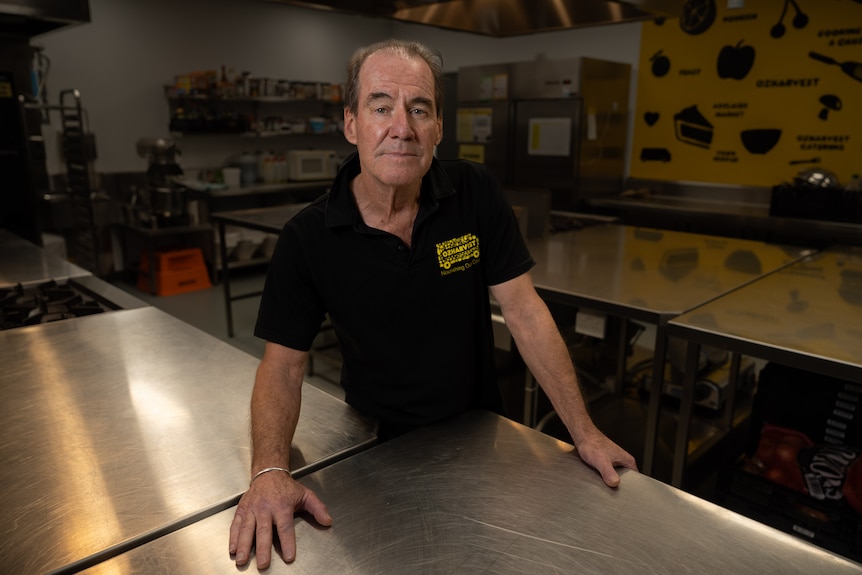
OzHarvest’s Damian Scanlon said rising fuel costs could impact their ability to deliver meals. (ABC News: Lincoln Rothall)
He said families were increasingly being forced to make difficult decisions.
“Do we buy food for our kids? Can we get petrol in the car to get them to school? Do we pay our energy bill? Do we pay our mortgage or our rent?” Mr Scanlon said.
“It becomes so often food, which you would think would be a staple, is becoming a privilege.”
The charity delivers about 60,000 meals every week to people in need and relies mostly on a workforce of volunteers.
Mr Scanlon said increased running costs for their fleet of trucks could impact their services.
“It’s going to take away the opportunity to use those funds elsewhere, particularly in feeding people,” he said.
“While we have a fabulous relationship with BP, that can’t last forever and as those costs rise, it means there’s less money to go about for us to deliver the meals that we do.”
“The unknown is a really difficult place to navigate … we all know things can’t be predictable, but this one’s a big one.”