
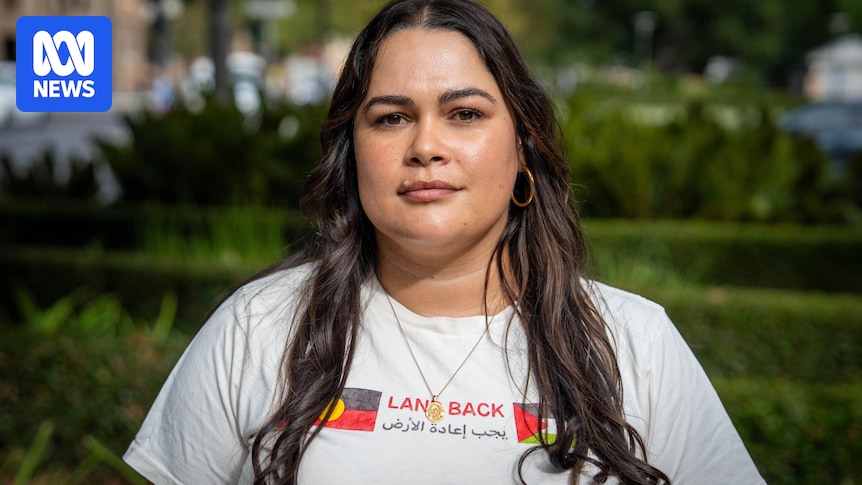
South Australia’s Aboriginal Affairs Minister will consider an independent review of the state’s Voice to Parliament election, following claims some voters were queried about their racial background at polling booths, while others were forced to queue for hours.
Provisionally-elected members of the SA Voice have told ABC News some Electoral Commission of South Australia (ECSA) officers “intrusively” questioned voters’ Aboriginal identities and engaged in “unsolicited commentary” about Aboriginal history when electors asked for ballot papers.
“[Voters] identified themselves as Aboriginal and said to the [ECSA] staff that they were voting in this Voice election, and they kind of questioned that saying, ‘Are you sure? This is for Aboriginal people’,” Central region Voice candidate and provisionally-elected member Ashum Owen, told the ABC.
“Some people then received, I think, really unwarranted, unsolicited commentary about Aboriginal history … while they’re waiting in line with other general community members.
“It creates really unsafe conditions for Aboriginal people.”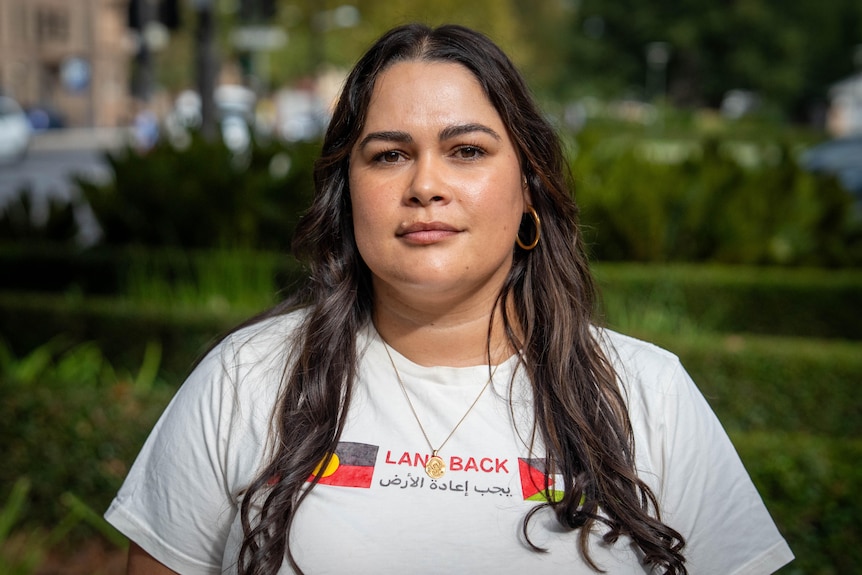
Ashum Owen has been provisionally elected to represent the central ward in SA’s First Nations Voice to Parliament. (ABC News: Brant Cumming)
This year marked the second time South Australian First Nations people went to the ballot box to elect representatives to sit on the legislated Voice to Parliament.
The ballot took place on the same day as the state election — a move which SA Electoral Commissioner Mick Sherry previously said would make voting more convenient for First Nations voters.
An estimated 32,342 enrolled First Nations voters were eligible to cast ballots in this year’s Voice election. Of those, less than 11 per cent voted.
The voter turnout at this year’s election was slightly higher than the turnout at the inaugural Voice election in 2024, when less than 10 per cent of eligible electors voted.
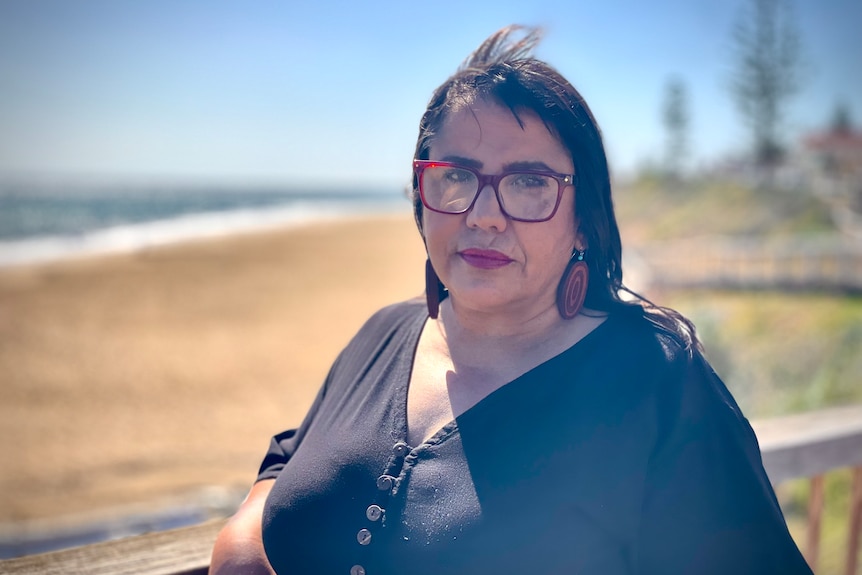
Provisionally-elected Voice member Melissa Clarke wants the Electoral Commission of South Australia to apologise. (ABC News: Ben Pettitt)
Melissa Clarke, who has also been provisionally elected as a central region Voice member, said voters at this year’s election felt “frustrated, disrespected, confused or let down by the process” and voter turnout could be explained by challenges encountered at polling booths.
She said she had heard from more than 60 voters, and some had raised concerns about feeling “judged racially” by electoral officers.
“Particularly for our community members that are fair-skinned,” she said.
“There was a report of a community member that went to vote for the First Nations Voice to Parliament and that person was told that they didn’t come up as Aboriginal on the electoral information and therefore they weren’t eligible to vote.
“These are feelings of racism around being judged about whether they’re Aboriginal or not.”
Claims electoral officers ‘did not know what they were doing’
Ms Owen and Ms Clarke also raised concerns about voter confusion and a lack of information about the Voice election process.
They said some voters were not told they had to specifically request to vote in the Voice election when they arrived at polling places and, due to a lack of signage and information, ended up not voting despite having a prior intention of doing so.
They said other electors were told they needed to queue twice to vote in both the state and Voice elections, resulting in some choosing to leave without voting.
“They weren’t able to receive their state election ballot papers and their Voice election papers at the same time — they had to line up again,” Ms Owen said.
“Some people were there for almost two hours waiting.”
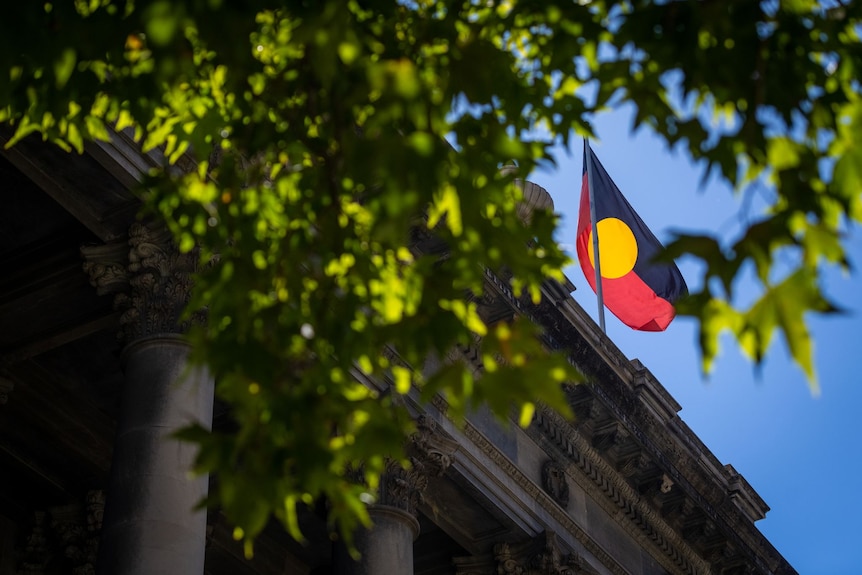
Voter turnout for the Voice to Parliament stalled at just 11 per cent this year. (ABC News: Che Chorley)
Ms Owen said other voters were marked off as having already voted in the Voice election when they had only cast a vote in the state election.
Ms Clarke said when some voters told electoral officers they wanted to vote in the Voice election, the workers did not know how to respond.
“They felt like the ECSA staff did not know what they were doing,” she said.
“There were staff that would say, ‘I’m not sure what to do, let me go find someone else’ and so this delayed their time.
“Some people were having to wait up to 40 minutes whilst they (the electoral officers) found someone who … knew what to do for Aboriginal and Torres Strait Islander people voting in the First Nations Voice to Parliament.
“There was also reports of feeling that it (voting in the Voice election) was an inconvenience.”
Minister to consider independent review
Ms Owen and Ms Clarke have separately written to Mr Sherry, asking the Electoral Commission to apologise, conduct a review of the election and improve staff training.
“I’m hurt by the harm caused to mob by the inaccessibility for mob, the inability for ECSA to provide a safe place to do that,” Ms Clarke said.
“Democracy only works well when it works for everybody and yet this is another indication of democracy not working for Aboriginal and Torres Strait Islander people.”
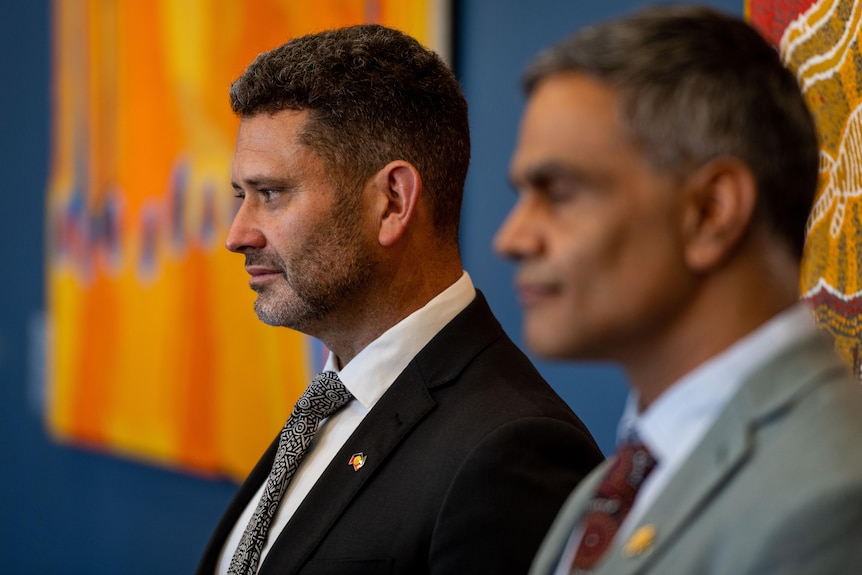
Minister for Aboriginal Affairs Kyam Maher has been disappointed by the feedback about the Voice election. (ABC News: Che Chorley)
SA Aboriginal Affairs Minister Kyam Maher told the ABC a number of First Nations community members had also raised concerns with his office about the Voice election.
He said he would consider commissioning an independent review.
“It is disappointing the feedback that I’ve received personally about people who struggled to cast a vote, or in some cases weren’t aware that they could cast a vote, or in other cases weren’t able to do so,” he said.
In a statement, an ECSA spokesperson said the election would be the subject of a comprehensive review.
“We are very concerned to hear that this was the experience of some SA First Nations Voice to Parliament voters. It does not meet our expectations, and we will be looking into these matters,” the statement read.
“As with the state election, the South Australian First Nations Voice to Parliament election will be the subject of a comprehensive review.”