
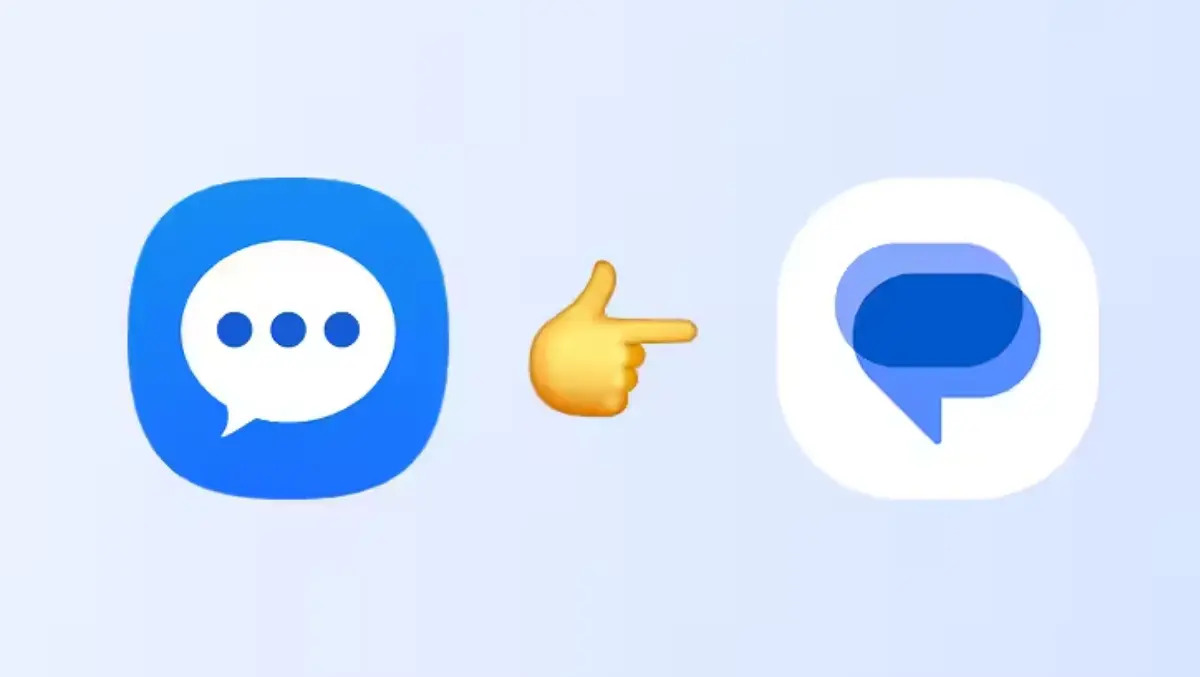
Samsung will discontinue its Samsung Messages app in July 2026, marking the end of its in-house messaging platform on newer Galaxy devices. The change primarily affects newer devices, particularly those running Android 12 or later, while devices running Android 11 or earlier are excluded.
Users are being advised to switch to Google Messages and set it as their default SMS app. Some users may receive in-app prompts within Samsung Messages to guide them through the transition, while others can make the change manually by downloading Google Messages from the Play Store and selecting it as the default messaging app.
The move formalises a shift that has been underway for several years. Samsung has gradually reduced the role of its native messaging app, including removing it from preinstallation on newer devices and promoting Google Messages as the default option across many Galaxy smartphones.
The change also reflects closer alignment with Google’s messaging ecosystem, which is built around Rich Communication Services, or RCS. This standard enables features such as higher-quality media sharing, typing indicators and improved group messaging across supported devices.
The exact shutdown date will be displayed within the Samsung Messages app. After the service ends, users will no longer be able to send messages through Samsung Messages, except to emergency service numbers or emergency contacts configured on the device.
Owners of newer Galaxy models are already seeing the effects of the transition. Devices in the Galaxy S26 series and later cannot download Samsung Messages from the Galaxy Store, and the app will no longer be available for download on any supported devices once the service is discontinued.
At the same time, Samsung has confirmed that users on older Android versions will not be impacted. Devices running Android 11 or earlier will continue to support Samsung Messages without disruption, allowing those users to keep using the app beyond the July 2026 phase-out.
Device impact
The impact of the transition will vary depending on the device and software version. Newer Galaxy devices are expected to move fully to Google Messages, which will serve as the primary messaging platform going forward.
For many users, the transition will be handled through prompts within the existing app, while others will need to switch manually. Samsung has provided guidance through its support channels on how to install and set Google Messages as the default messaging service.
The shift consolidates messaging functionality into a single platform, reducing fragmentation between Samsung’s proprietary app and Google’s messaging services. It also aligns Galaxy devices more closely with the broader Android ecosystem, where Google Messages has become the default messaging experience across many manufacturers.
Shift to Google
Samsung is positioning Google Messages as the replacement app for messaging on affected devices. The company highlights features such as spam filtering, scam detection, RCS messaging and AI-powered tools including smart replies and image-based features integrated with Google’s Gemini system.
RCS has become a central part of this transition, offering functionality beyond traditional SMS and MMS. These features include improved group chats, read receipts and support for higher-quality media, which are now standard across many Android devices and increasingly interoperable with other platforms.
By directing users to Google Messages, Samsung is consolidating development and feature delivery under Google’s messaging platform. This reduces the need to maintain a separate in-house messaging app while ensuring access to newer communication features tied to Google’s ecosystem.
Samsung has not confirmed whether the phase-out will apply globally. The announcement was made through its United States support channels, and the company has not provided further detail on rollout in other regions.
Users are advised to check the Samsung Messages app for the exact date of discontinuation on their devices and follow the prompts or manual steps to complete the transition.