
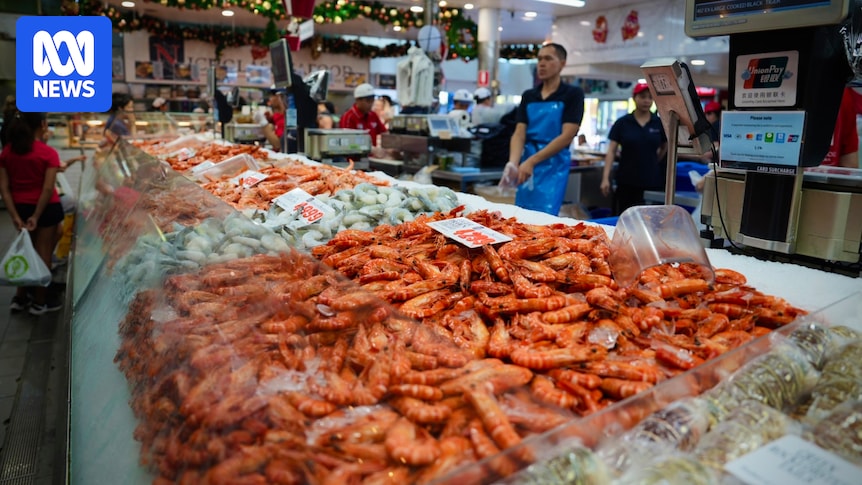
Already a luxury, sustainably sourced, wild-caught Australian seafood will soon be unaffordable to the average household.
So says former international chef and Mooloolaba Fisheries manager Paul Schenk as uncertainty continues over future fuel supplies.
“The reality is only the wealthy will be able to afford Australian wild-caught seafood in the near future,” Mr Schenk warned.
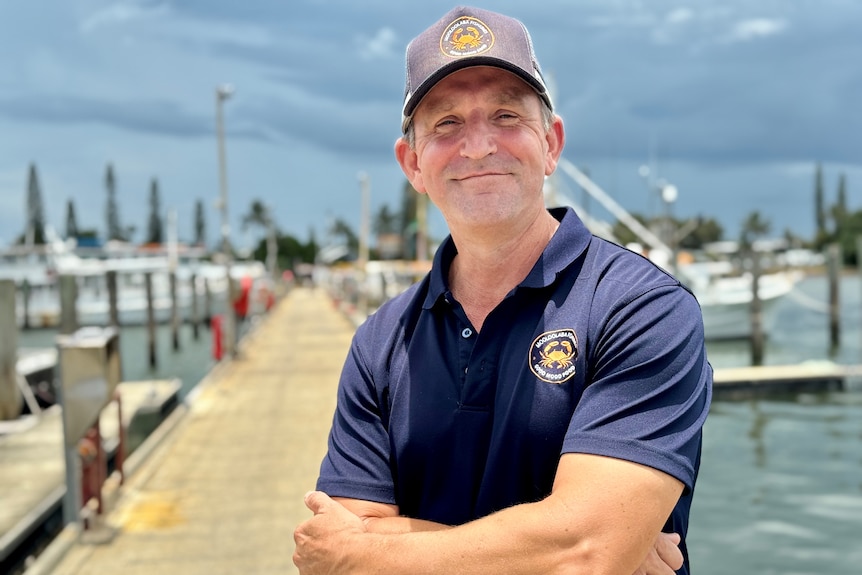
Paul Schenk is considering importing fish for the first time. (ABC Rural: Jennifer Nichols)
About 30 per cent of seafood consumed across the nation is locally caught, farmed and processed, according to Seafood Industry Australia, with the bulk of products imported.
For the first time in 42 years on the Sunshine Coast, Mooloolaba Fisheries is investigating buying fish fillets from Bali.
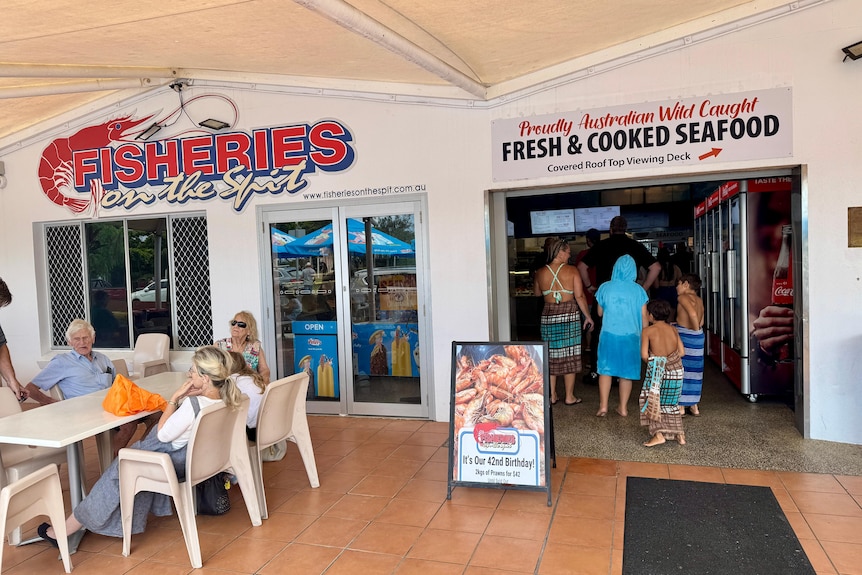
Mooloolaba Fisheries has operated for more than 40 years on the Sunshine Coast. (ABC Rural: Jennifer Nichols)
“In my belief, the (local wild-caught) industry is already on its knees,” Mr Schenk said.
“And I think we’re about to see it at the stage of collapse.
“It won’t be a complete wipe-out, but it will be a significant wipe-out.”
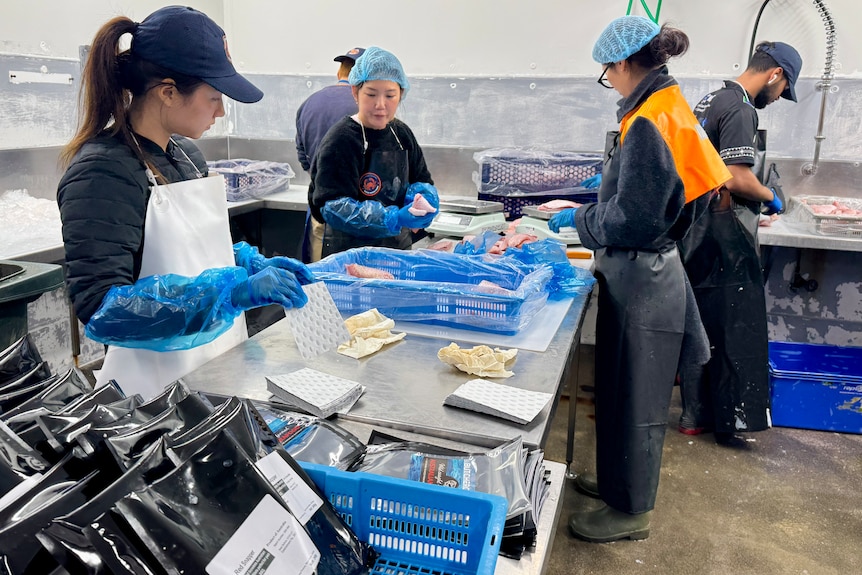
Mooloolaba Fisheries has specialised in wild-caught Australian seafood. (ABC Rural: Jennifer Nichols)
Of the three boats unloaded by Mooloolaba Fisheries on the Sunshine Coast yesterday, Mr Schenk said two each used between 30,000 and 35,000 litres of fuel per trip.
“Before the war started, it cost $54,000 each to fill, and today it’s $100,000 up-front.”
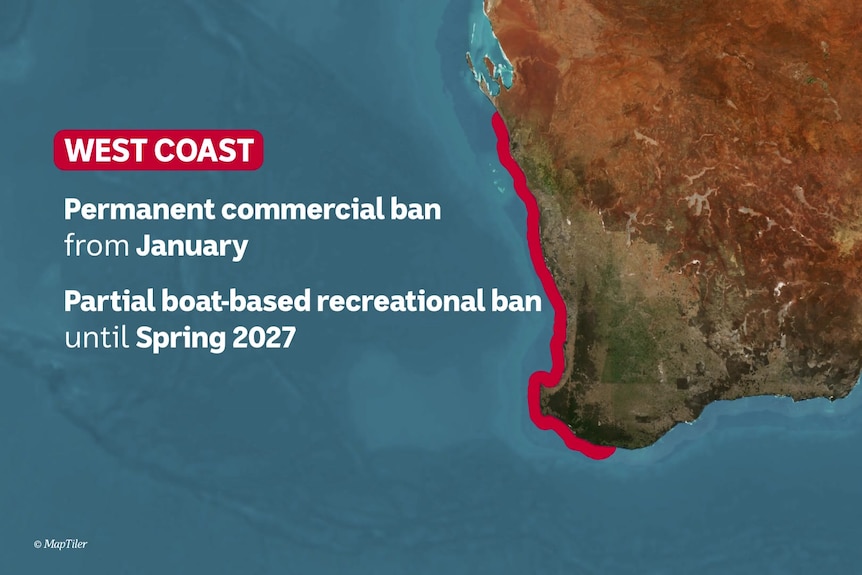
Demersal fish in the West Coast fishing region are marked as being at a “severe” risk of collapse. (ABC News)
Shrinking supply
Mr Schenk said Australian supply had already been reduced by Western Australia’s recent permanent ban on commercial fishing for demersal species along an 800-kilometre stretch of coast from Kalbarri to Augusta in the south.
Adding to that, last week’s collapse of Australia’s largest wild-caught prawn operation — A Raptis and Sons – after 60 years in business, is already impacting seafood supply.
Mooloolaba Fisheries had been sourcing two tonnes of reef fish and a tonne of flathead every week from Raptis, and at least a tonne of Australian prawn meat or cutlets a month.
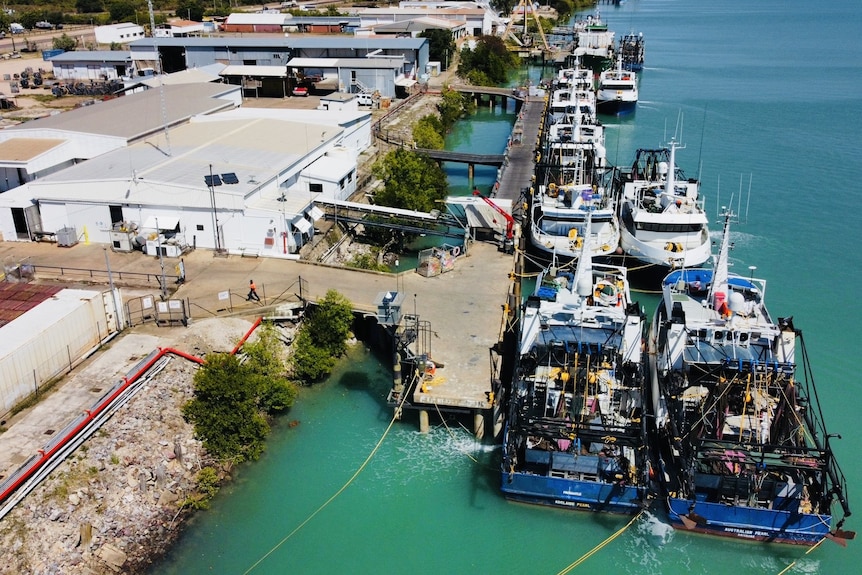
Raptis has operated out of Karumba for about 35 years. (Supplied: Seafood Industry Australia)
Administrators, who were appointed in March, said the wholesale seafood business was expected to axe more than 200 jobs in South Australia and Queensland and begin selling off assets.
“That’s a shocking shame. It is really devastating for the industry,” Mr Schenk said.
Sydney Fish Market (SFM) chief commercial officer Adam Mourad also expressed his sympathies.
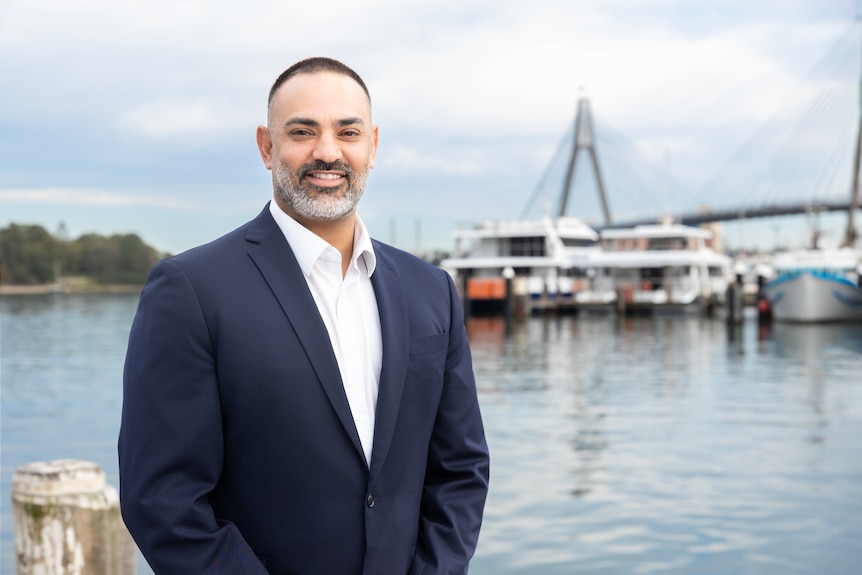
Adam Mourad is worried for fishers. (Supplied: Sydney Fish Market)
“We send our hearts and wishes to all of the people involved, not just in the family, but a lot of the fishermen that they work with, and the team that work with Raptis,” he said.
“I’ve got some great personal relationships with a lot of that team, so it does hit home very hard and is quite sad and emotional.
“We will do all that we can to support all of those affected by it.”
Mr Mourad thanked customers for responding to the industry’s call to choose local seafood over the Easter long weekend.
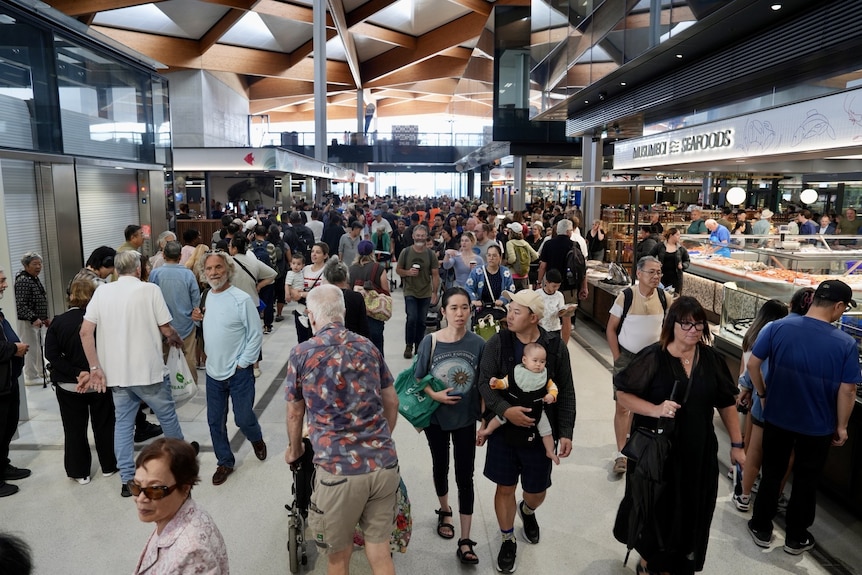
The new Sydney Fish Market opened in January. (ABC News: Monish Nand)
Successful Easter
The markets “reached capacity” several times, and early indications are they may have exceeded previous visitor numbers on opening day this January.
“We saw around 65,000 customers come through on Good Friday alone,” Mr Mourad said.
“There was a genuine willingness to support local fishers, and that message was clear.”
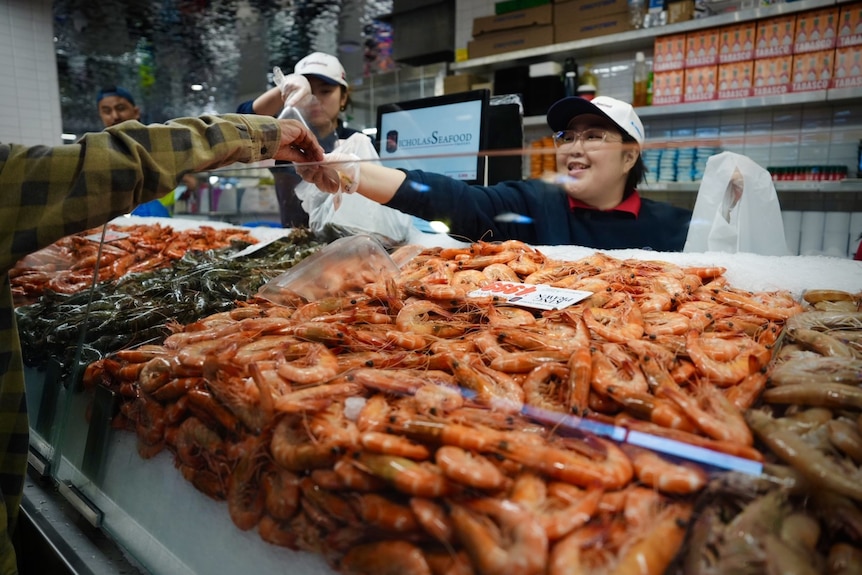
Seafood markets did a roaring trade on Good Friday as the long weekend kicked off. (ABC News: Jak Rowland)
Temporary levy
Last month, the SFM introduced a temporary levy of 81 cents for every kilogram of seafood bought at auction.
Mr Mourad said that the average was about 50,000 kilograms a day and was mostly wild-caught.
“That (the levy) is temporary and will be reviewed on a fortnightly basis as fuel conditions evolve,” he said.
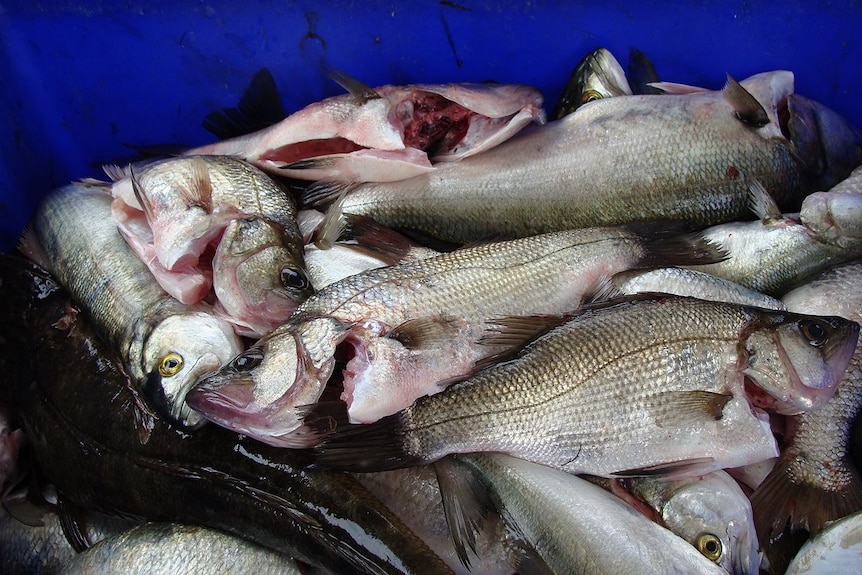
Freshly caught and gutted fish bound for the Melbourne and Sydney Seafood Markets (Kath Sullivan: ABC Rural)
“It’s 100 per cent passed through to commercial fishers. It’s a cost recovery mechanism, and SFM does not retain any margins.
“We need our fishers fishing, and so do all our wholesalers and our restaurants and wet fish shops.”
The domestic seafood market is valued at about $3 billion a year.
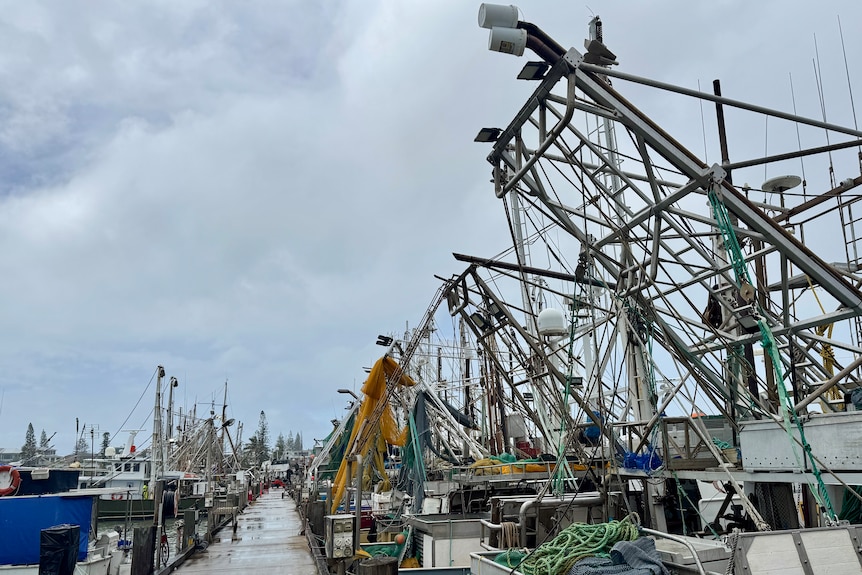
Trawlers moored in the Mooloolah River at Mooloolaba. (ABC Rural: Jennifer Nichols)
Seafood Industry Australia chief executive John Ackerman said from July 1, the Country of Origin labelling already operating in supermarkets will be introduced to menus in Australian restaurants and cafes.
Under the “AIM” labelling method, customers will start seeing an A for “Australian”, I for “imported” or M for “mixed origin”.
“We just encourage consumers to be looking for that big bold A,” Mr Ackerman said.
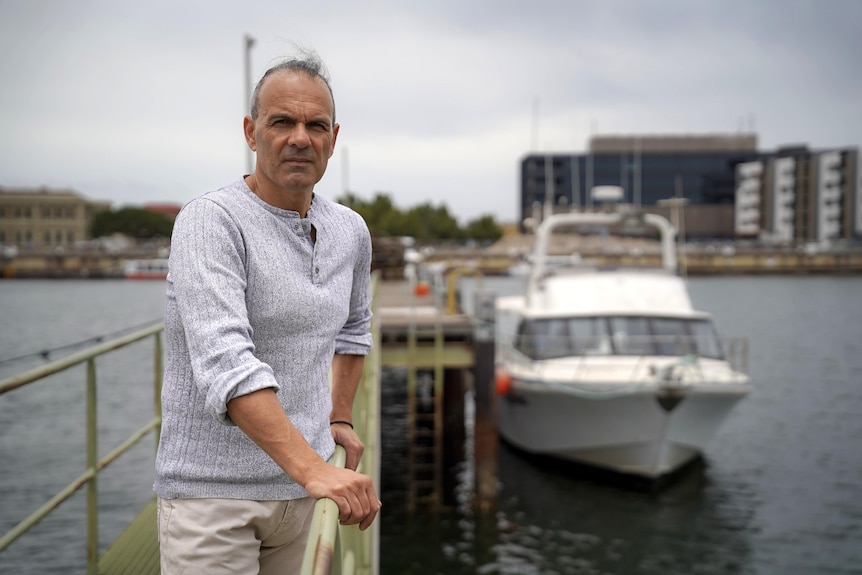
Seafood Industry South Australia executive officer Kyri Toumazos. (ABC News: Will Hunter)
Seafood Industry South Australia executive officer Kyri Toumazos said the industry’s “profitability is declining”.
“We’re happy to wear reduced profits to be able to supply seafood for the local community over the next few weeks,” Mr Toumazos said.
“Ultimately, in the long run, this level of cost cannot continue without something giving.”
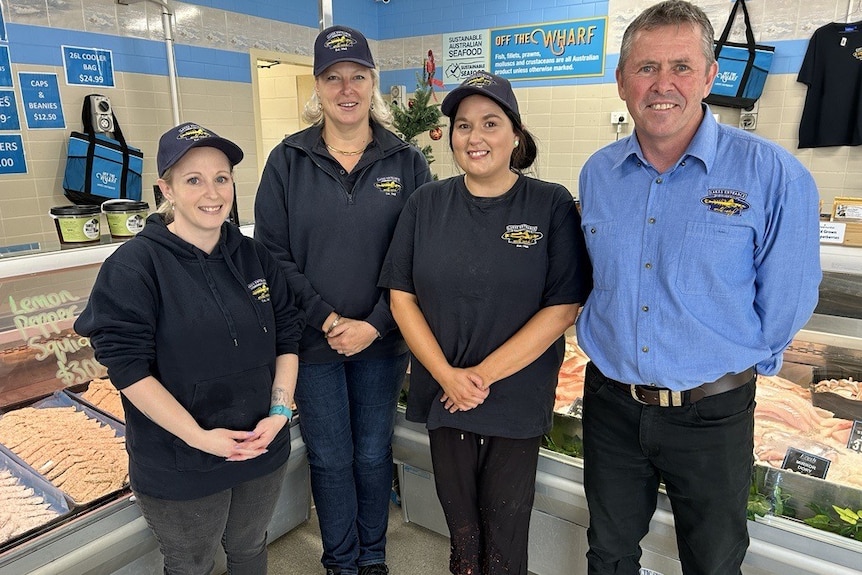
Keily Groombridge, Sharon Eyssens, Mel Eason and Anthony Woodland from the Lakes Entrance Fishermen’s Co-op (
ABC News: Fiona Broom
)
In Victoria, Lakes Entrance Fishermen’s Co-operative general manager, Anthony Woodland, said while fishers have been able to access fuel for now, the future was uncertain.
“There are a lot of things that have to go right for some of those bigger boats to continue to go out fishing,” Mr Woodland said.
“Some have already parked up. They’ve decided that the price is too much, right now, for their type of fishing. They’ve decided that it’s not worth their while.”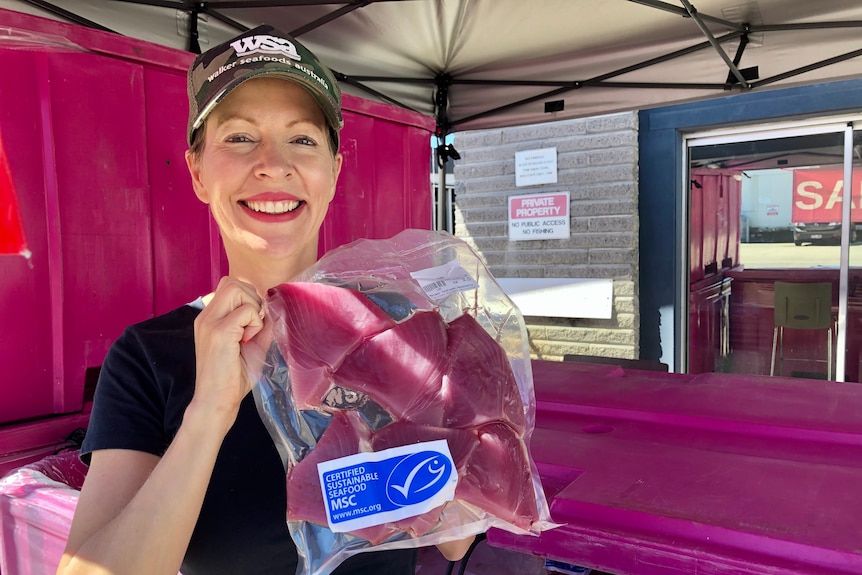
Heidi Walker is proud of receiving Marine Stewardship Council awards for Walkers Seafoods sustainably caught tuna. (ABC Rural: Jennifer Nichols)
Heidi and Pavo Walker founded the nation’s biggest wild-caught tuna and swordfish company, based at Mooloolaba, in 2002.
Walker Seafoods has survived the global financial crisis, COVID and cyclones, but the fuel crisis is crippling the business, and they are in talks with their landlord.
“We are talking about having boats just tie up until we can see a better outcome.”
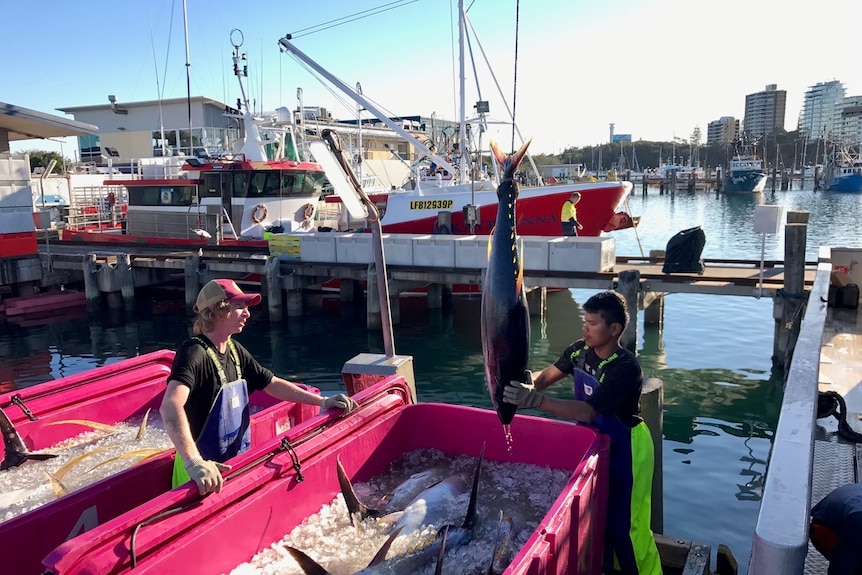
Tuna caught in the Coral Sea by Walker Seafoods. (ABC News: Mick Fanning)
Ms Walker said the federal government’s move to halve the fuel excise and cut heavy vehicle road use charges for three months, as well as allowing tax payment plans, did not go far enough.
“We need fuel to be (further) subsidised for primary producers, farmers and fishermen,” she said.
“So that the food producers of this nation can just go back to work and know that the bottom line with the fuel costs that we’ll be paying is something that we can wear.”
Loading…