
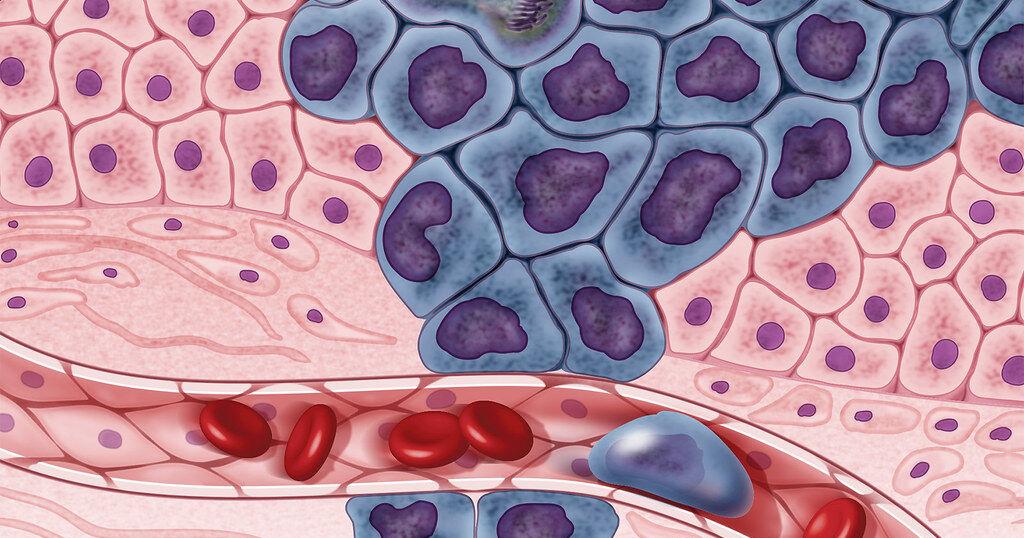


University of Mississippi researchers are hoping that one day cancer-fighting drugs could be set in 3D-printed carriers and implanted at tumor sites.
(Provided by iStockPhotos).
University of Mississippi researchers are hoping that one day cancer-fighting drugs could be set in 3D-printed carriers and implanted at tumor sites to destroy cancer cells.
In a study written for Pharmaceutical Research, they’ve already demonstrated that it’s possible.
“This paper introduced a new 3D printing concept called ‘fresh 3D printing,’” Dr. Mo Maniruzzaman, chair and professor of the pharmaceutics and drug delivery department, said in a statement. “It uses ‘spanlastics’ as a new nano-drug delivery vehicle for anticancer drug delivery.”
Spanlastics are flexible, microscopic drug-carrying bubbles that can get under the skin and deliver medication at a specific site.
Traditional chemotherapy drugs, whether injected or taken by mouth, travel throughout the body. They kill fast-growing cancer cells, but oftentimes also affect hair, skin and the digestive system. That’s what leads to side effects such as hair loss and nausea. Putting the drugs in a 3D-printed carrier and delivering right at the tumor could reduce some of those effects.
“We actually applied this on breast cancer cells and we got some really, really promising data,” Maniruzzaman said.
The experiments are only the first step in determining if spanlastics could work for cancer treatment. But if implanting it at a tumor site happens before the cancer has spread, it could be critically important, the researchers added.
Subscribe to our twice-weekly, FREE newsletter for the latest manufacturing news and information, including new technologies, educational webinars, podcasts and more.