
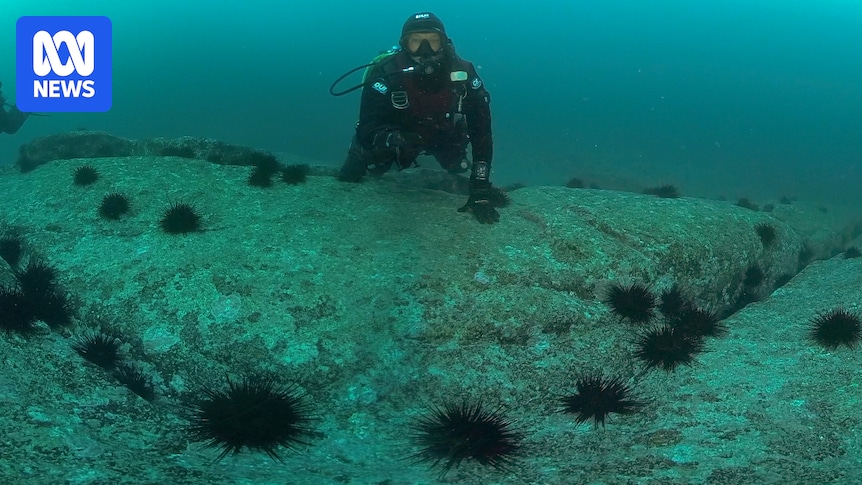
Long-spined sea urchins are native to NSW, but warming ocean temperatures over recent decades have led to a population explosion, with hundreds of millions spreading via ocean currents across Victorian and Tasmanian coastlines.
The voracious creatures (Centrostephanus rodgersii) are known to outcompete other marine species for food, destroying kelp forests and turning flourishing reef ecosystems into urchin barrens that resemble underwater moonscapes.
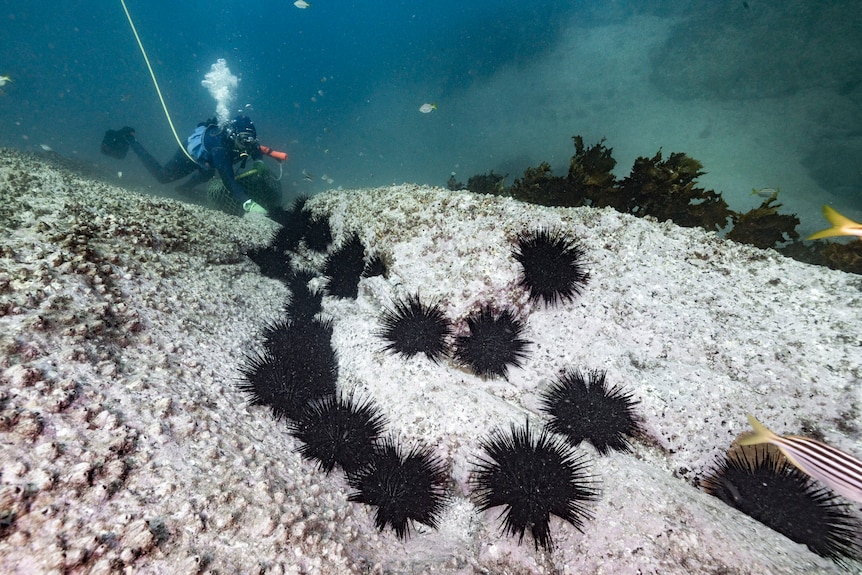
Sea urchins outcompete other species for food, turning reef ecosystems into “urchin barrens”. (Supplied: Stefan Andrews/Great Southern Reef Foundation)
A 2023 Senate report recommended an immediate investment of $55 million in funding over five years to address the problem.
But two and a half years later, the chair of that inquiry, Greens senator Peter Whish-Wilson, is waiting for decisive action.
“If a forest disappeared that was the most biodiverse forest you’d ever seen on the planet, that created a billion dollars in export fisheries value, that employed local people and fed local people, if that vanished, there’d be a riot on the streets,” he said.
“But because it’s happened in the ocean, people haven’t seen it.”

Peter Whish-Wilson says the sea urchin crisis has evolved due to politics and a lack of public awareness. (ABC News: Ashleigh Barraclough)
The inquiry recommended the money be spent on reef rehabilitation, further development of a commercial sea urchin fishery and support for First Nations groups.
Government response criticised
Last week, the federal government quietly tabled its response, acknowledging that waters warming due to climate change was creating new risks to marine life, such as the ongoing algal bloom in South Australia, and expanding the area where sea urchins could flourish.
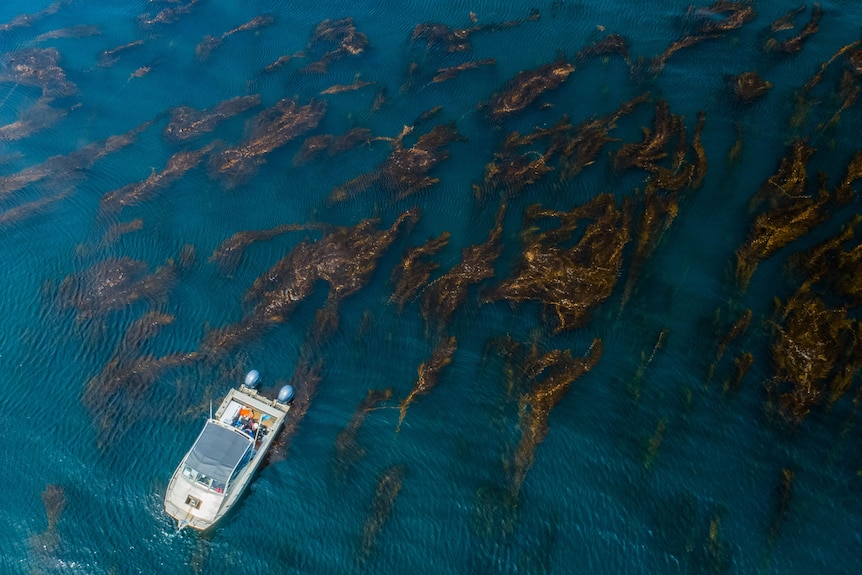
Kelp forests are at risk of the ongoing spread of the long-spined sea urchin. (Supplied: Stefan Andrews/Great Southern Reef)
Only one of the inquiry’s four recommendations was supported — a call for the government to consider working with the states on capturing the benefits of an emerging sea urchin fishery.
The other recommendations were for the establishment of a new advisory group and using the existing national taskforce to coordinate funding for the problem.
No new money was committed, with the government declining to support a recommendation for an immediate national investment in controlling sea urchins.
In its response, the federal government stated it had already “invested significantly” in sea urchin research and business initiatives.
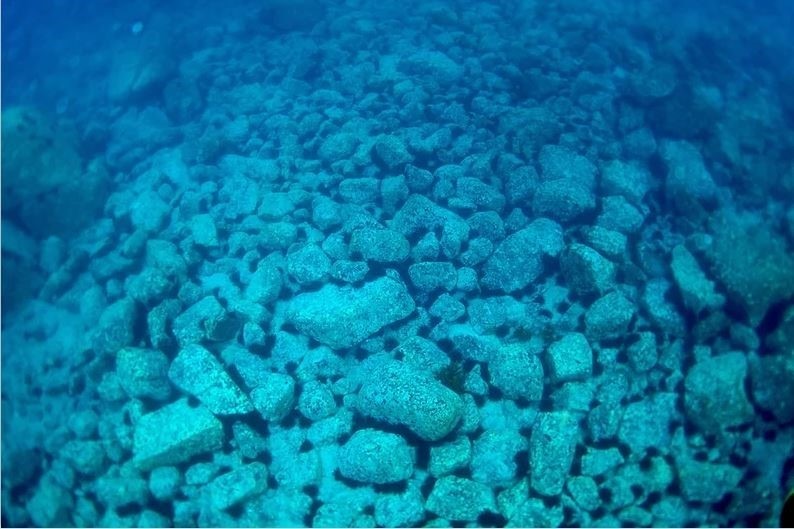
An extensive sea urchin barren in far south coast waters. (Supplied: Bill Barker)
The response noted funding of “over $12 million towards a suite of projects aimed at supporting temperate marine ecosystems, including monitoring and kelp forest restoration and resilience”.
Senator Whish-Wilson said while there were positive aspects to the response, such as the continuation of a national taskforce, a lack of new funding meant the destructive spread of the sea urchins would continue.
“The government of the day just doesn’t see any urgency to prioritise taking action on this marine invasive pest that’s causing so much damage to our local communities from New South Wales all the way to Tasmania,” he said.
“This policy is bulletproof, no-one’s been able to criticise it.
“It’s just that the politics have let us down.”
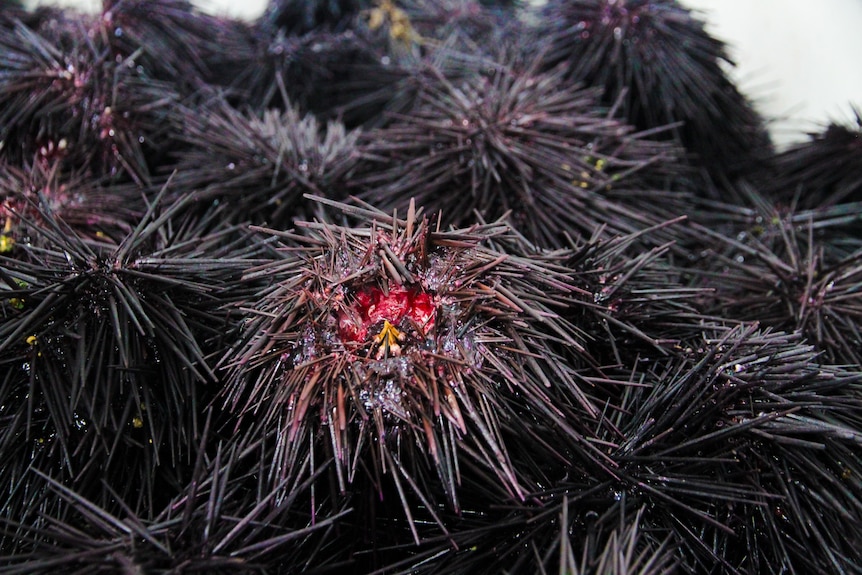
Warmer waters have helped the native sea urchin spread rapidly to new locales. (ABC South East NSW: James Tugwell)
Missed opportunity
Marine ecologist and co-founder of the Great Southern Reef Foundation, Stefan Andrews, said the Senate report showed sea urchin control would benefit the environment and would be an economic opportunity for affected communities.
Sea urchin roe is a premium seafood delicacy in many markets, with the report finding that roe can sell domestically for between $200 and $400 per kilo.
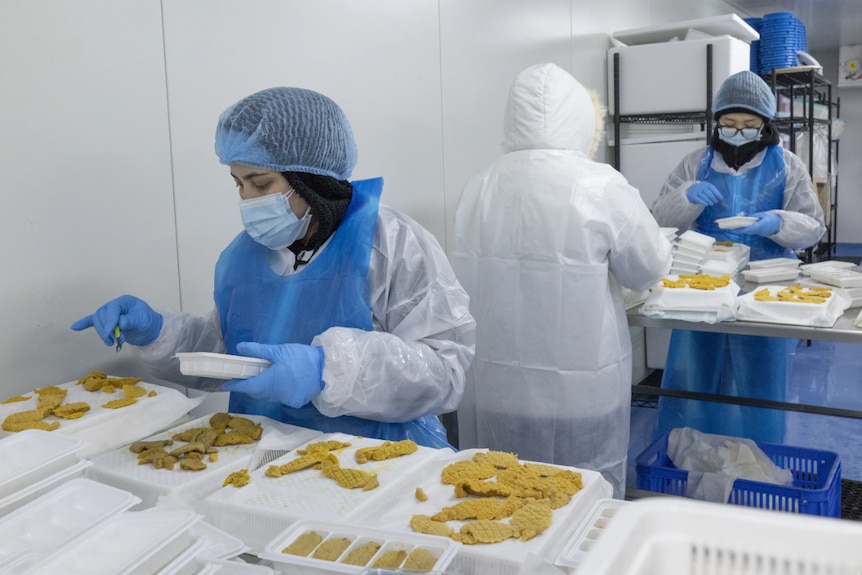
The report has found support for sea urchin harvesting and processing can help grow a commercial industry. (Supplied: Stefan Andrews/Great Southern Reef Foundation)
“A couple of million dollars [of] investment per [sea urchin] processor could catalyse a much more self-sustaining industry that would mean that these guys can scale up their operations, get more urchins off the reefs where it matters,” he said.
“It was good to see that the government has acknowledged the crisis. But what we need now is the government to actually invest in addressing it.”
Stefan Andrews says the government needs to invest in addressing the problem. (Supplied)
‘The government just keeps on ignoring it’
Walbunja elder Wally Stewart said he had seen firsthand the impact of inaction on these urchins on the NSW far south coast.
“If the government doesn’t invest now, we may never be able to reverse this problem,” he said.
“Especially here on our country, ”cause the worst part of the damage is right here in our country.”
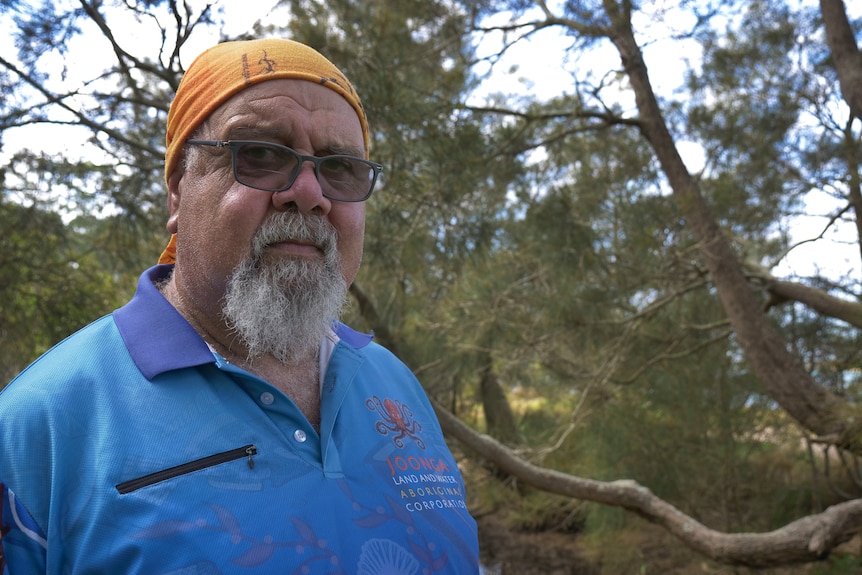
Wally Stewart says direct funding to Indigenous-led organisations will help address the issue. (ABC South East NSW: Vanessa Milton)
The federal government acknowledged that “involving First Nations communities in opportunities … provides valuable knowledge to improve environmental outcomes and build partnerships”.
But Mr Stewart, a founder of the Joonga Land and Water Aboriginal Corporation, said direct funding for Indigenous-led organisations was critical to addressing the issue.
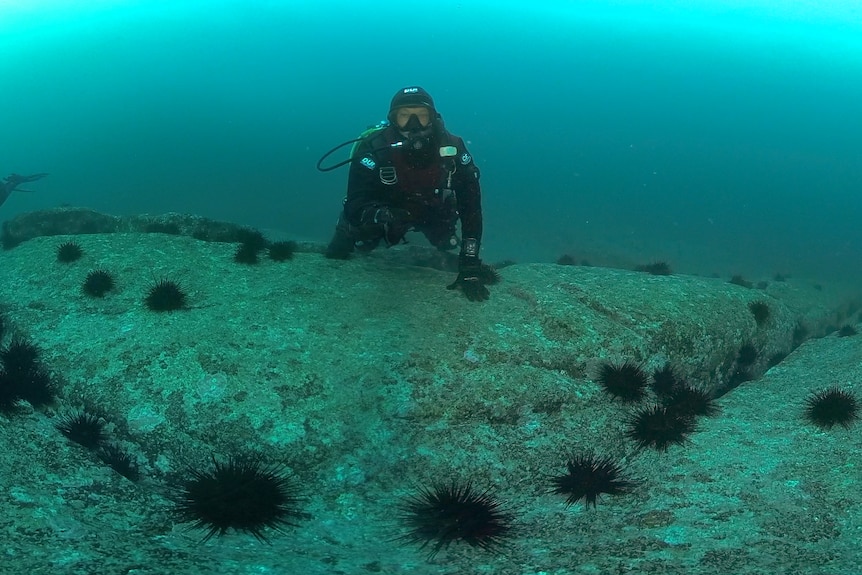
Sea urchins can turn vibrant marine ecosystems into barrens. (Supplied: John Keane)
“We have only got a window of opportunity to fix this problem, and the government just keeps on ignoring it,” he said.
“How much research do you need to do when the evidence is already there and we’re ready to go to fix it?”