
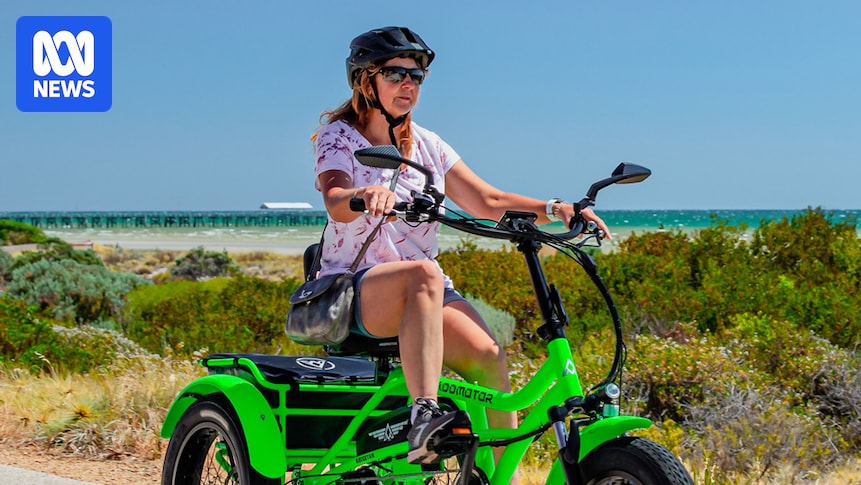
More Australians are turning to tricycles and digging out old bikes for repairs as soaring fuel prices make cycling a cheaper alternative to driving.
Now in its sixth week, the Iran war has disrupted global oil supplies and driven up Australian fuel prices, with unleaded now above $2 a litre and diesel above $3 a litre.
As the surge in fuel prices prompts more people to consider alternative transport options, some cycling businesses are seeing a significant jump in sales and repair bookings.
“We started getting a lot of enquiries and a lot of additional orders for our electric tricycles,” Trike Bike Australia founder Michael Coates said.
“There’s been double the enquiries and probably a 30 per cent to 40 per cent increase in sales.”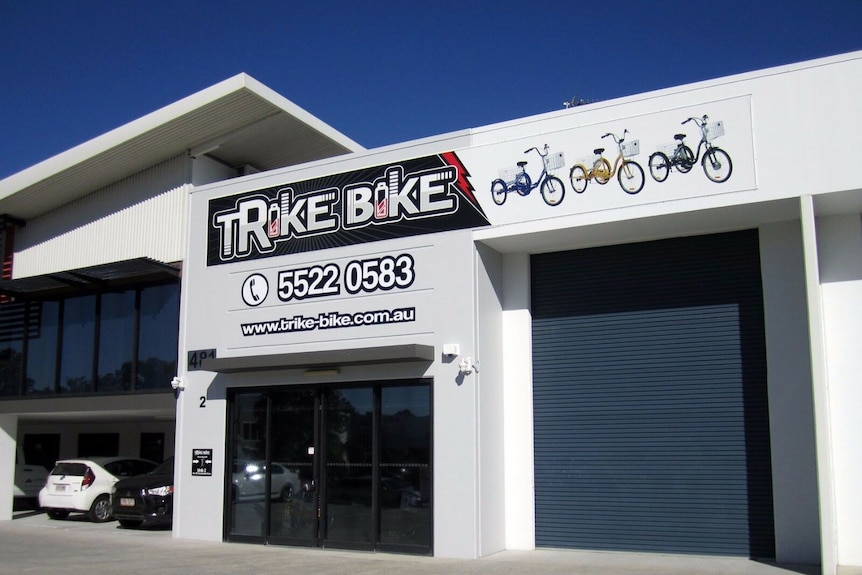
Trike Bike Australia has noticed a marked increase in sales over the past three weeks. (Supplied: Trike Bikes Australia)
Mr Coates said most of his customers were frugal retirees, replacing their cars for regular trips such as grocery shopping.
“Our customer demographic is older. A lot of them are on the wrong side of 60 and they’re the ones that are really frugal with their spending,” he said.
“If they can see an opportunity to get rid of the car and get rid of the high petrol costs, then they’ll take it.”
Rush for e-bikes, repairs
Peter Bourke, general manager of Bicycle Industry Australia which represents more than 100 businesses nationwide, said some members were reporting a marked uptick in both e-bike sales and repairs.
“What we’ve seen is two specific sort of increases: one is for the purchase of e-bikes and the second is for workshop and service and repair of old non e-bikes,” Mr Bourke said.
“They may have had the bike in the shed since COVID and now they’ve gone, ‘Hey, that was a good idea during COVID, let’s get it out and get it going again’.
“So we’ve seen a market demand in the workshop for servicing and upgrade.”
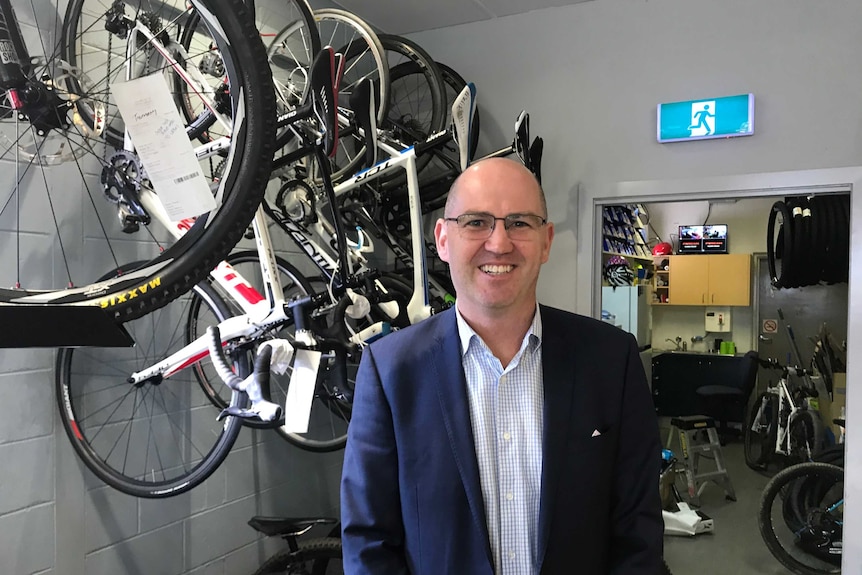
Peter Bourke says bike store owners across the country have noticed an increase in demand for repairs. (Supplied)
Mr Bourke said the shift in consumer behaviour was a “consistent message” his team had been hearing from members across the country over the past several weeks.
He said more people cycling had a “wide range of benefits”.
“There are benefits for health, as we know, reduced [road] congestion, environmental — and that is noise as well as general emissions,” he said.
“There’s also a reduction in car accidents because you’ve got less people in cars.”
Getting back on the bike
In the inner-north of Melbourne, Samson Cycles in Brunswick has not had a surge in new bike sales, but workshop bookings have increased in recent weeks.
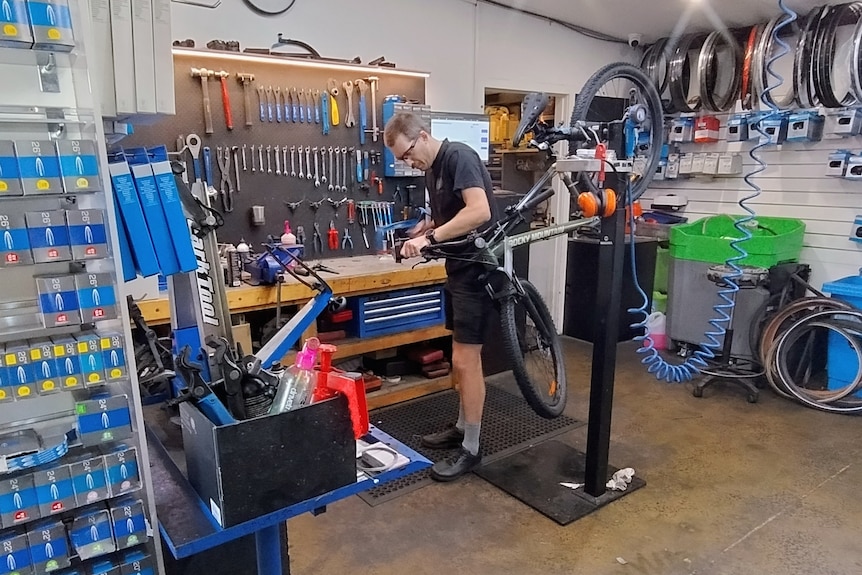
Bike mechanic Nick Benca in the workshop of Velyo Cycles. (Supplied: Velo Cycles)
Owner Ryan Billszta said cost-of-living pressures were driving people to fix or maintain existing bikes rather than buy new ones.
“People are saying, ‘We don’t really want to fork out for a new bike, but we’ll put in a bit of money to get our existing bike up and running and that should see us through’,” Mr Billszta said.
“I think with the fuel prices, it hasn’t hit people as hard as it may do in the coming weeks. Maybe that will make a difference because now it’s still, generally speaking, affordable to a point.
“With the change in fuel prices, it’s the perfect opportunity to get on a bike and save yourself a bit of money.”
A short ride away, Velo Cycles in Carlton North has seen workshop demand reminiscent of COVID.
Track the latest petrol and diesel prices around Australia
General manager Stuart Armstrong said many customers were picking up bikes that had been neglected for years.
“I’m finding it very similar to COVID-type times where we had a lot of people with bikes that have been sitting in the shed for the last 10 years wanting to ride them,” he said.
“And they’re riding what we would consider unsafe bicycles, but they’re doing that because they’ve got no alternative. So there are a lot of bikes that are out and about.
“We’re getting a lot more enquiries of people wanting their bikes serviced and they’re in bad condition to start with.”
Nearly 200 km north in Shepparton, former Olympian and Leading Edge Cycles owner Brett Lancaster also reported a bump in workshop activity.
“We all know things are tight with cost of living and there was another interest rate hike. Then there’s fuel on top of it, it is … really having people feel the crunch,” he said.
“People with old bikes at home, where a commute is an achievable distance, they’re getting back on bikes.”