
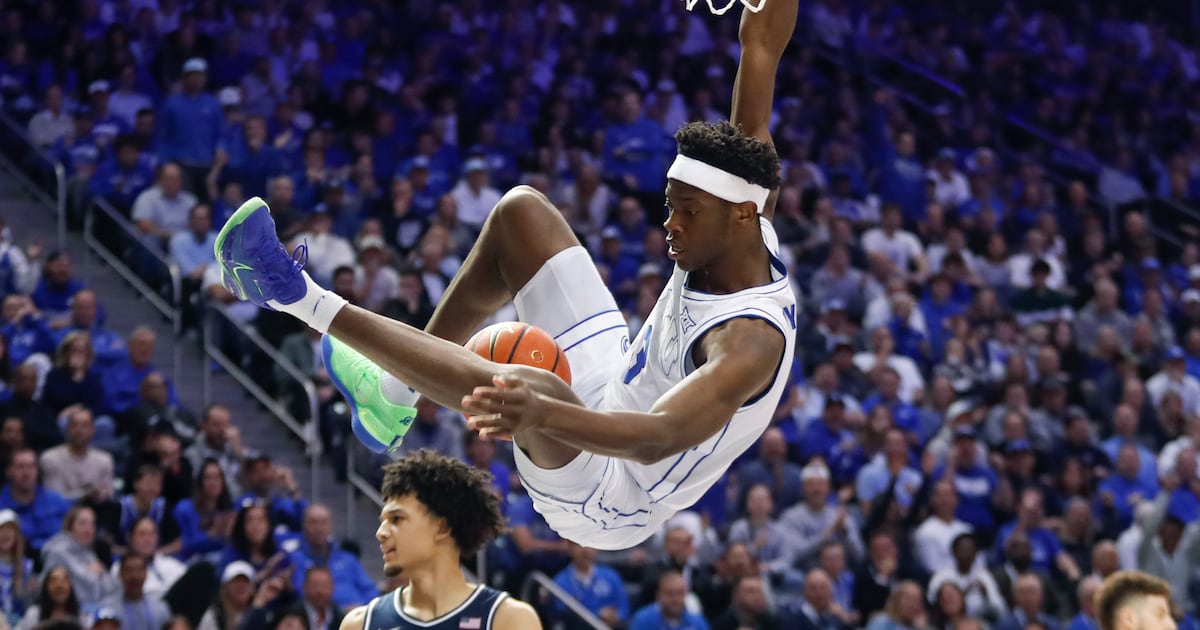
At 20, Tre Johnson is an emerging superstar of the NBA. Nearing the end of his rookie season with the Washington Wizards, the 6ft 6in guard has quickly earned a reputation as a serious outside threat, capable of knocking down spectacular threes from distance.
Yet, in the fourth quarter of tight games, the Wizards often opt to keep him on the bench. Never mind that the result might be in the balance and every crowd wants to see a pure shooter with the ball in his hand; he’s forced to spectate because his team must avoid winning at all costs.
The Wizards play in a league where eight of the 30 teams have been trying to lose all their games for months now. A dysfunctional sport in which coaches regularly sit their best players down in the late stages of close encounters just to ensure they end up on the wrong end of the result. A policy that has predictably grave consequences for competitiveness.
Last Sunday week, nine games on the NBA schedule were decided by whopping margins of 24 points or more. That had never happened before in its 80-year history. Then it happened again five days later. This is momentous awfulness, a record-breaking embrace of mediocrity.
“Overall, the eight tanking teams are 17-144 against the 20 legit squads since the trade deadline [on February 5th], a 0.106 winning percentage,” wrote John Hollinger for The Athletic. “The average team in this group, when faced with any type of real basketball game, is playing as bad as the worst team in history (the 7-59 Charlotte Bobcats during the lockout-shortened 2011-12 season), posting a despicable .106 winning percentage that equates to an 8.7-win season over 82 games, with nearly the worst scoring margin in NBA history.”
In what has become an epidemic of premeditated losing, these clubs are squabbling mightily over the right to finish in the bottom three. Usually a dubious honour, in this case, there is method to their madness. For the three teams with the worst record, orchestrating defeats on this grand scale yields the best chance of ending up with a top-three pick in June’s annual draft. And a shot at redemption.
With AJ Dybantsa, Cameron Boozer, and Nate Ament, three potentially generational talents coming out of college and available for selection that night, these outfits have everything to gain by losing. One campaign of embarrassing nightly reverses is worth it for the opportunity to snag a single game-changer, somebody who may well transform these also-rans into genuine contenders for the next decade.
“Fans know their team can’t win every game,” wrote Mark Cuban, former owner of the Dallas Mavericks. “They know only one team can win a ring. What fans that care about their team’s record want is hope. Hope they will get better and have a chance to compete for the playoffs and then maybe a ring. The one way to get closer to that is via the draft. And trades. And [salary] cap room. You have a better chance of improving via all three, when you tank. We didn’t tank often. Only a few times over 23 years, but when we did, our fans appreciated it. And it got us to where we could improve.”
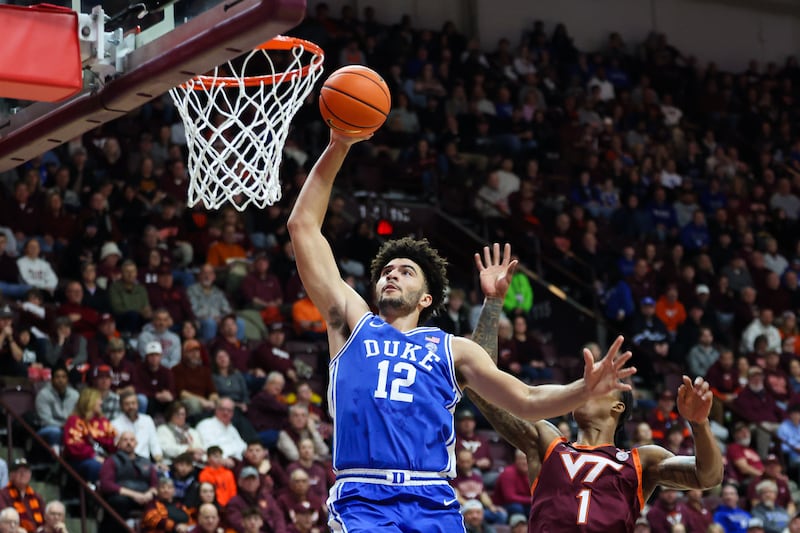 Cameron Boozer of the Duke Blue Devils is potentially another generational talent. Photograph: Ryan Hunt/Getty Images
Under Cuban in 2023, the Mavericks were once fined $750,000 for resting the team’s two most influential performers in two games. Back in February, the Utah Jazz had to fork out $500,000 for sitting Laurki Markkanen and Jaren Jackson jnr, two of their key starters, in the fourth quarter of a close game against the Miami Heat. Even though the second-string quintet on the court still managed to eke out a win that night, the Jazz were cited for conduct unbecoming and made an example of by a league with a growing image problem regarding coaches too often fielding understrength selections.
The regular NBA season is a marathon affair, consisting of 82 sapping games, running from October to April. Twenty teams then qualify for ridiculously elongated play-offs that stretch deep into June. The lengthy nature of the campaign has led to the adoption of load management strategies, star players increasingly taking nights off during the winter months, trying to stay fit for more gruelling contests in the knock-out stages. A smart tactic except punters are predictably irate when they pay hundreds of dollars for tickets to matches, then discover the main box office draws aren’t togged out, and the opposing team isn’t even trying to compete.
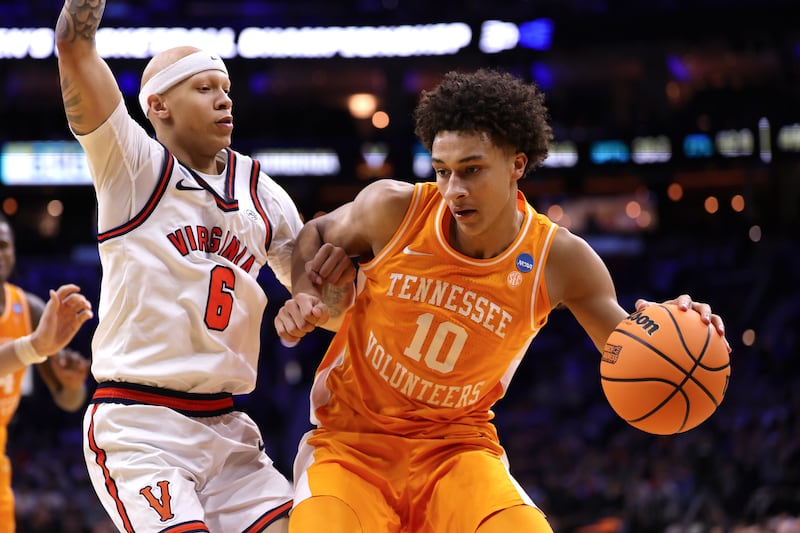 Nate Ament of the Tennessee Volunteers is yet another young player blessed with eye-catching potential. Photograph: Emilee Chinn/Getty Images
With contending clubs resting marquee names to try to keep them healthy and tanking teams refusing to start healthy players to keep on losing, Yahoo Sports recently established “just 32.7% of nationally televised games featured a full complement of star players”. Not a good look for any sport. To combat the load management absences, the league introduced a rule stipulating that only those who feature in 65 regular-season games are eligible for individual awards such as MVP [most valuable player]. Solving the problem of tanking is proving a tad trickier.
As the regular season winds down this weekend, the smarter sports news websites are keeping a “Tanking Tracker”, cataloguing the race to be worst, and NBA suits are busy brainstorming possible solutions to avoid this happening again. They need to figure out a way to amend the rules, to force teams to select their best players and to try to win every game. Imagine.