

–
Jr. Staff Writer
·
April 10, 2026
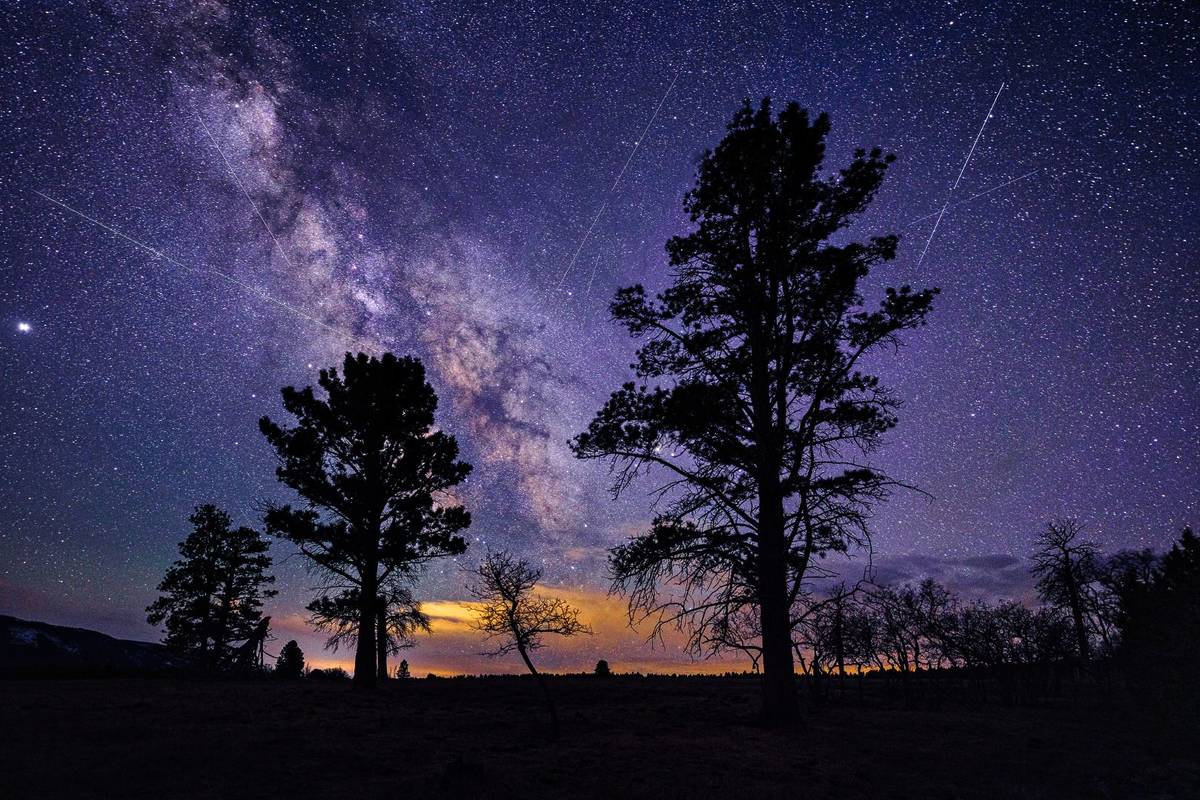
Sydney stargazers, get ready for a cosmic light show. The Lyrid meteor shower peaks overnight from April 22nd to 23rd, 2026, delivering one of the year’s most dependable celestial displays right above New South Wales skies—up to 10-20 meteors per hour under ideal conditions.
What Are Peak Timings
The shower fires up from mid-April through late in the month, but the action intensifies after midnight and before dawn on the morning of 22nd April, with the peak occurring when the sky is darkest, extending into early morning on the 23rd April.
In Sydney, the radiant climbs from the northeast horizon around 1am, reaching prime viewing height by 4-5am when it sits about 18 degrees up—perfect for spotting those swift streaks anywhere in the sky.
Where Can I See The Lyrid Meteor Shower In NSW
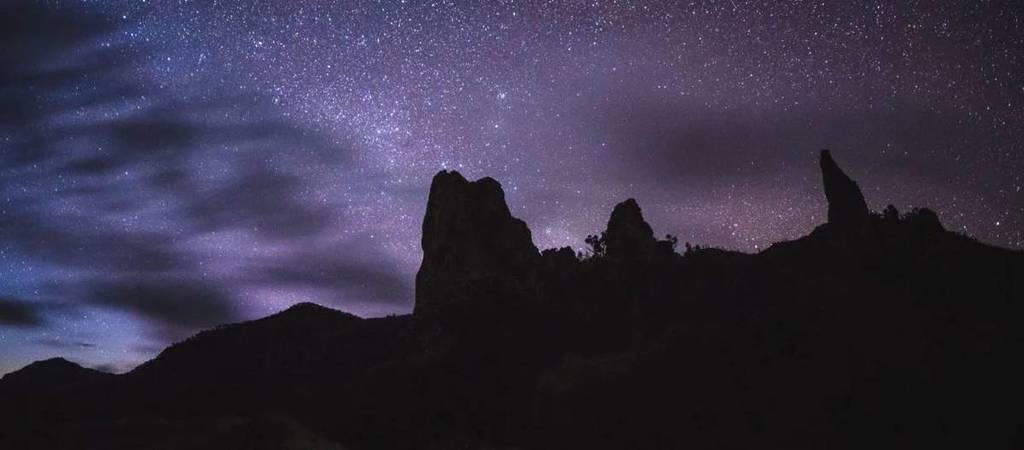 Source: Visit NSW
In NSW, the Lyrid meteor shower can be seen from a range of dark-sky locations depending on how far you’re willing to travel from Sydney.
For the clearest, most immersive viewing, Warrumbungle National Park—Australia’s first Dark Sky Park—promises near-zero light pollution and world-class stargazing about six hours from the city.
Closer to Sydney, the Blue Mountains National Park provides excellent elevated viewpoints like Govetts Leap Lookout, where wide, dark skies increase your chances of catching meteor streaks. Nearby spots such as Wentworth Falls and Hargraves Lookout in Blackheath also offer sweeping, low-light conditions with minimal crowd interference.
For coastal viewing, the Barrenjoey Lighthouse headland at Palm Beach gives a striking ocean horizon ideal for low-flying meteors, while the nearby Ku-ring-gai Chase National Park is one of the most accessible dark-sky escapes just 40–45 minutes from the CBD, making it a convenient option for city-based observers.
What Are The Origins Of Lyrid Meteors
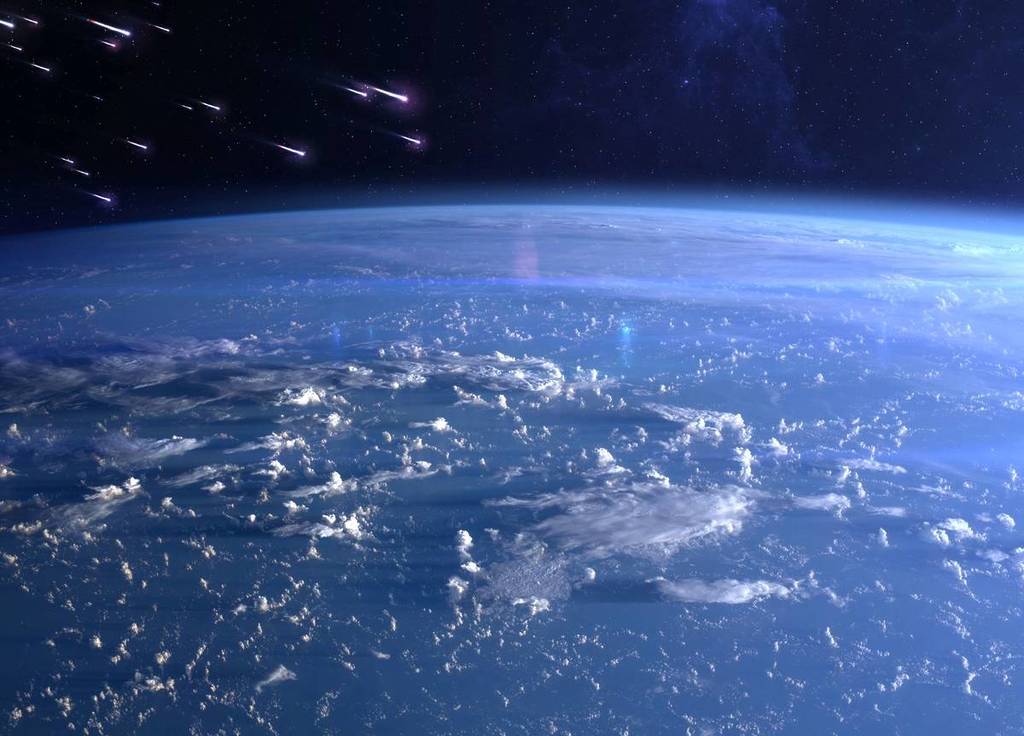 Source: iStock
Ancient Chinese astronomers spotted the Lyrids over 2,500 years ago, making it the oldest recorded meteor shower still sparkling before our very eyes today. Earth plows through dusty trails left by Comet Thatcher, which swings by every 415 years—next up in 2276.
This year, you can expect 10-20 meteors per hour at peak, plus the rush of occasional fireballs that leave glowing trains, with rare outbursts hitting 90+.
From the Southern Hemisphere, you can best view the Lyrid meteor shower in the hours before dawn, when Vega rises above the horizon along with the shower’s radiant point.
Vega is one of the brightest stars in the night sky and the main star of the constellation Lyra, which is where the Lyrids appear to originate. Even then, the radiant stays relatively low in the sky, which limits how many meteors are visible.
Many of the meteors stream northward from the radiant, meaning some pass below the horizon and you can’t see them. As a result, observers in southern mid-latitudes have a narrower viewing window, but it’s still possible to catch a few meteors under dark, clear conditions.
Tips To Catch The Lyrid Meteor Shower From Sydney
 Source: Shutterstock
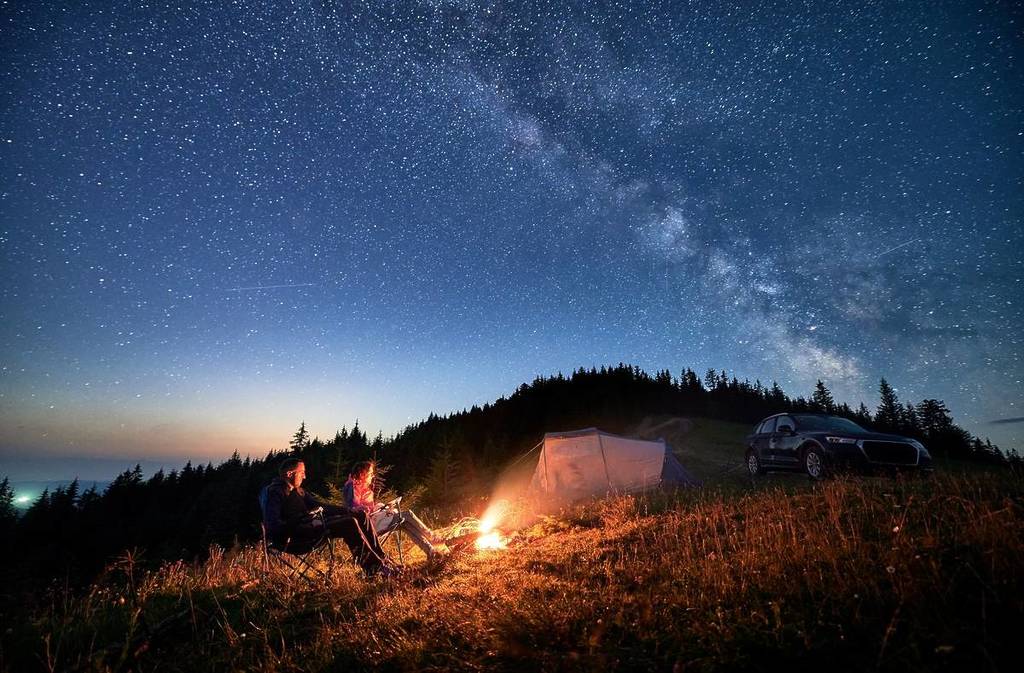
Lie back, face northeast, dress warm for crisp autumn nights and pack a thermos; patience pays off as meteors zip from Lyra constellation across the dome. A waxing crescent Moon (around 30% illuminated) sets early, leaving mostly dark skies.
Head to dark viewing spots like Royal National Park or Sydney Observatory for public stargazing. No events have been confirmed yet but keep an eye on this space closer to date.
When’s The Next Meteor Shower
The next Lyrid meteor shower will occur after April 2027, with the possibility of a similar date.
Moreover, while Lyrids dominate, Eta Aquariids begin descending later in April from Halley’s Comet debris—keep watching eastward before dawn for a double treat. Use platforms like Star Walk for real-time radiant tracking and weather forecasts to nail clear nights.