
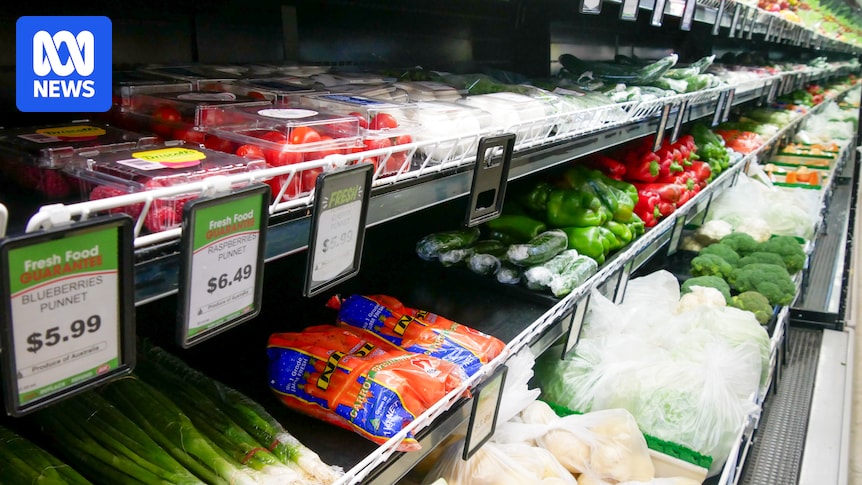
Smaller and independent supermarkets say they are facing increased pressure to keep grocery prices stable as the cost of keeping shelves full continues to rise.
Increased costs of fuel and fertiliser as a result of trade disruptions in the Middle East have impacted farmers and suppliers, who have passed hikes on to supermarkets.
Independent retail chain Drakes Supermarkets has seen suppliers’ costs jump due to rising fuel prices. (ABC News: Michael Clements)
Drakes director, John-Paul Drake, said he had seen more extra charges from suppliers over the past month.
“Suppliers have been looking at making sure their costs are covered,” he said.
“They’ve been looking at all sorts of different ways to put a fuel tax, a surtax, a fuel levy, call it whatever you want.
“We are seeing a few interesting things coming up on invoices.”Holding strong
Despite extra costs, Mr Drake said his business, which operates across South Australia and Queensland, had chosen not to pass on the costs to consumers.
“We are doing everything that we can to make sure we hold down the pricing,” he said.
“In the scheme of things, it’s only a small percentage that is in the whole cost of our doing business.”
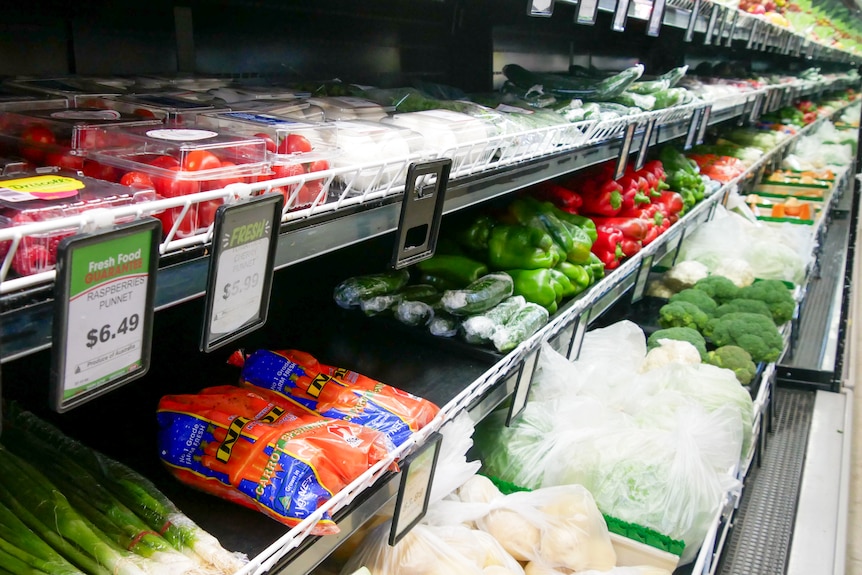
Many smaller retailers do not have the resources to keep paying increased costs from suppliers. (ABC South East SA: Josh Brine)
Mr Drake said he wanted the government to be more transparent about fuel supplies to help better inform businesses and consumers.
“The fact that people are concerned, worried and panic buying — it’s all because we don’t have that certainty,” he said.
“If we just had some transparency, we might not be in this place where people are panicking to buy fuel [or] worrying that it’s going to run out.
“Let’s face it, we’re not going to run out of fuel.”More news from regional SAIndependent retailers hit first
Master Grocers Australia Independent Businesses Australia director Lincoln Wymer said smaller supermarkets had been absorbing increased delivery fees from suppliers since fuel prices jumped weeks ago.
“The big one’s been the increase in the minimum delivery cost,” he said.
“Before, they might have been $200. They’re now saying we’re not sending it unless it’s a $500 order now.
“That’s really hurting the small suppliers because sometimes we don’t need to spend that much money on their products.”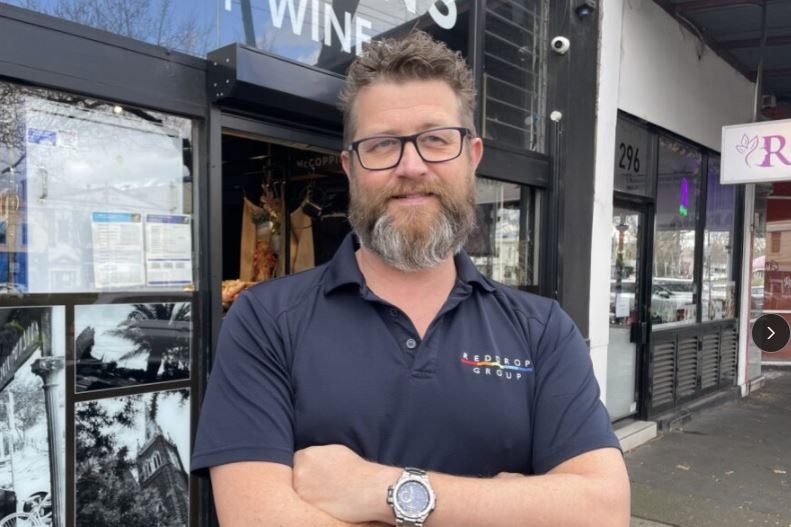
Lincoln Wymer says small supermarkets will not be able to absorb the rising costs for long. (ABC News: Iskhandar Razak)
Mr Wymer is also the chief operating officer of the Reddrop Group, which operates supermarkets across Victoria and southern New South Wales.
He has been in constant communication with suppliers to navigate the situation.
“I spoke to our main transport company … and he’s gone from about $20,000 a month to over $30,000 in fuel costs alone,” he said.Track the latest fuel prices around Australia
“He nearly exclusively supplies our stores and so that $10,000 a month has to come out of our businesses.”
Mr Wymer added it was too expensive to change the price labels in stores due to uncertainty about how long increased fuel prices would continue.
“The cuts [to the fuel excise] that were made by the government recently helped us make the decision not to move the prices in the short term,” he said.
“If this continues much longer, I just can’t see how a grocery store or supermarket can absorb these costs into their narrow margins.”Loading…