
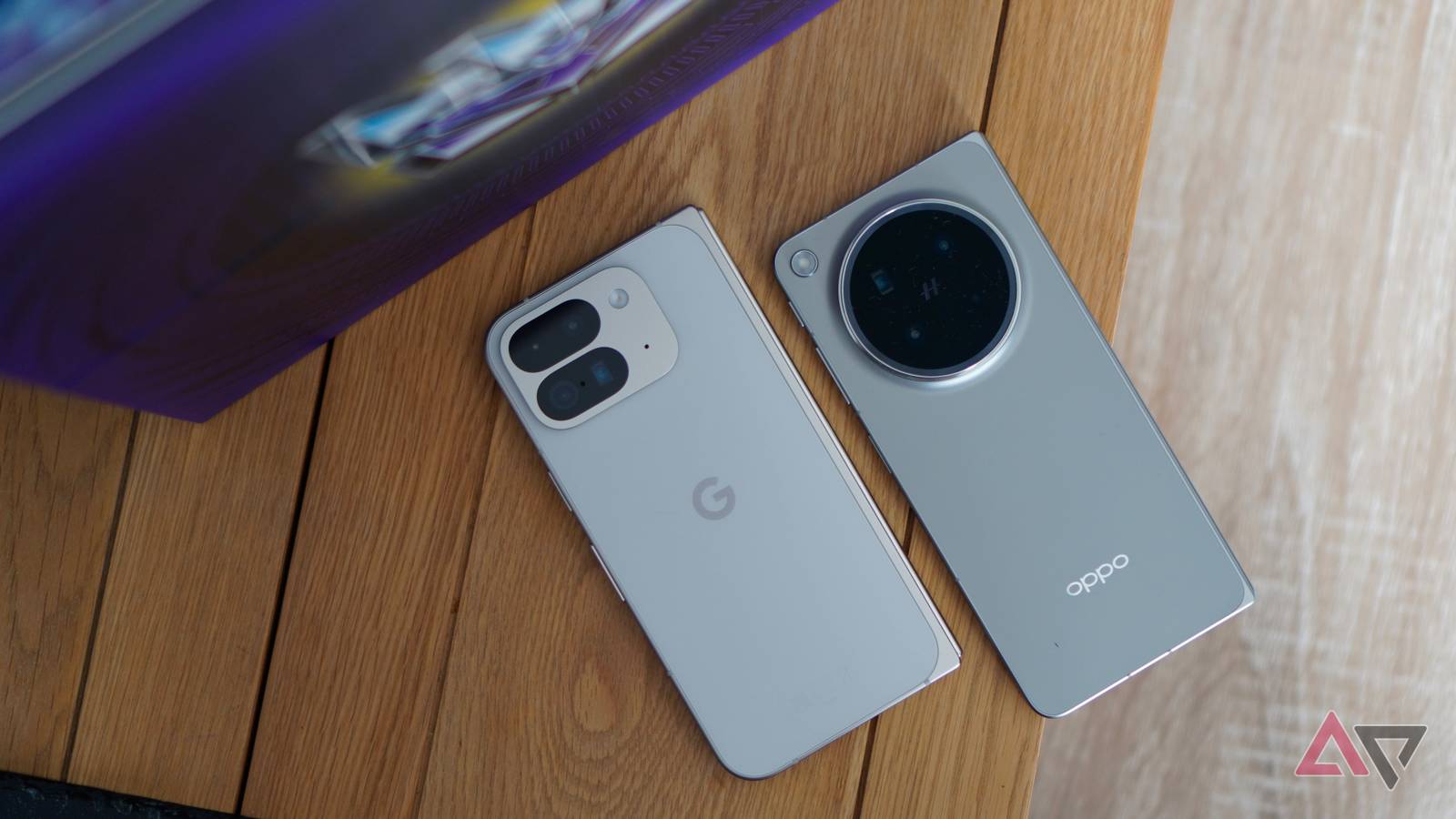
I often have a gap between finishing one review and starting another, where I can pick whatever phone I like to use, and it’s a situation I found myself in a week ago.
I decided to fill it with the Google Pixel 9 Pro Fold, a phone I’ve been wanting to revisit after spending so much time with the fantastic Oppo Find N6.
Why? The Find N6 is the most refined, least compromised foldable we’ve seen yet.
I wanted to find out if I could still love a foldable afflicted by those core pain points, which the Find N6 solves. I was surprised by my conclusion.
Related
I’m still not over the original Pixel Fold, and it looks like Samsung and Apple agree
Wider foldables are the way to go
Pixel Pro Fold lives in the Find N6’s shadow
Serious hardware differences
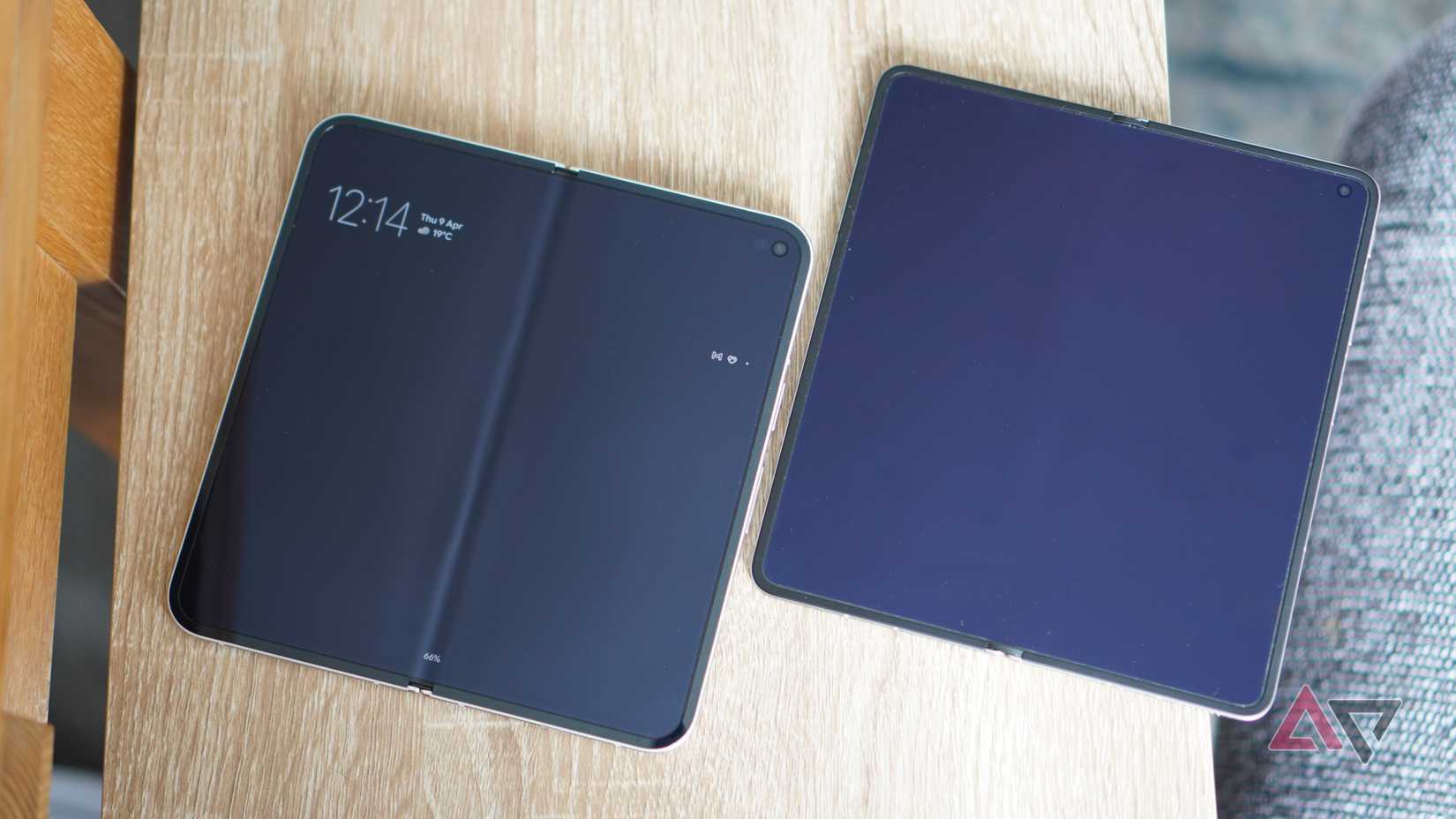
The Oppo Find N6’s biggest technical innovation is its Zero-Feel Crease screen. The often problematic crease has been reduced so much that you can barely feel or notice it.
The phone is thin when open and closed, the screen bezels are minimal, and it’s barely heavier than some top non-folding phones.
The Pixel 9 Pro Fold has a crease, noticeable bezels, and a significant enough footprint and weight that I’m always aware it’s in my pocket. It’s chunky, substantial, and so much less refined than the Find N6.
The Pixel’s hinge makes a distinct sound when you open the phone, while the N6’s hinge is smooth, silent, and perfectly dampened.
Google’s foldable is less attractive, too. I like that it keeps the Pixel family look, but the off-center camera upsets not only the balance of the design, but also the phone’s balance when it’s screen-up on a table.
Oppo’s design team has thought about the phone’s shape and style, and it has paid off. A good example is the placement of the power and volume keys.
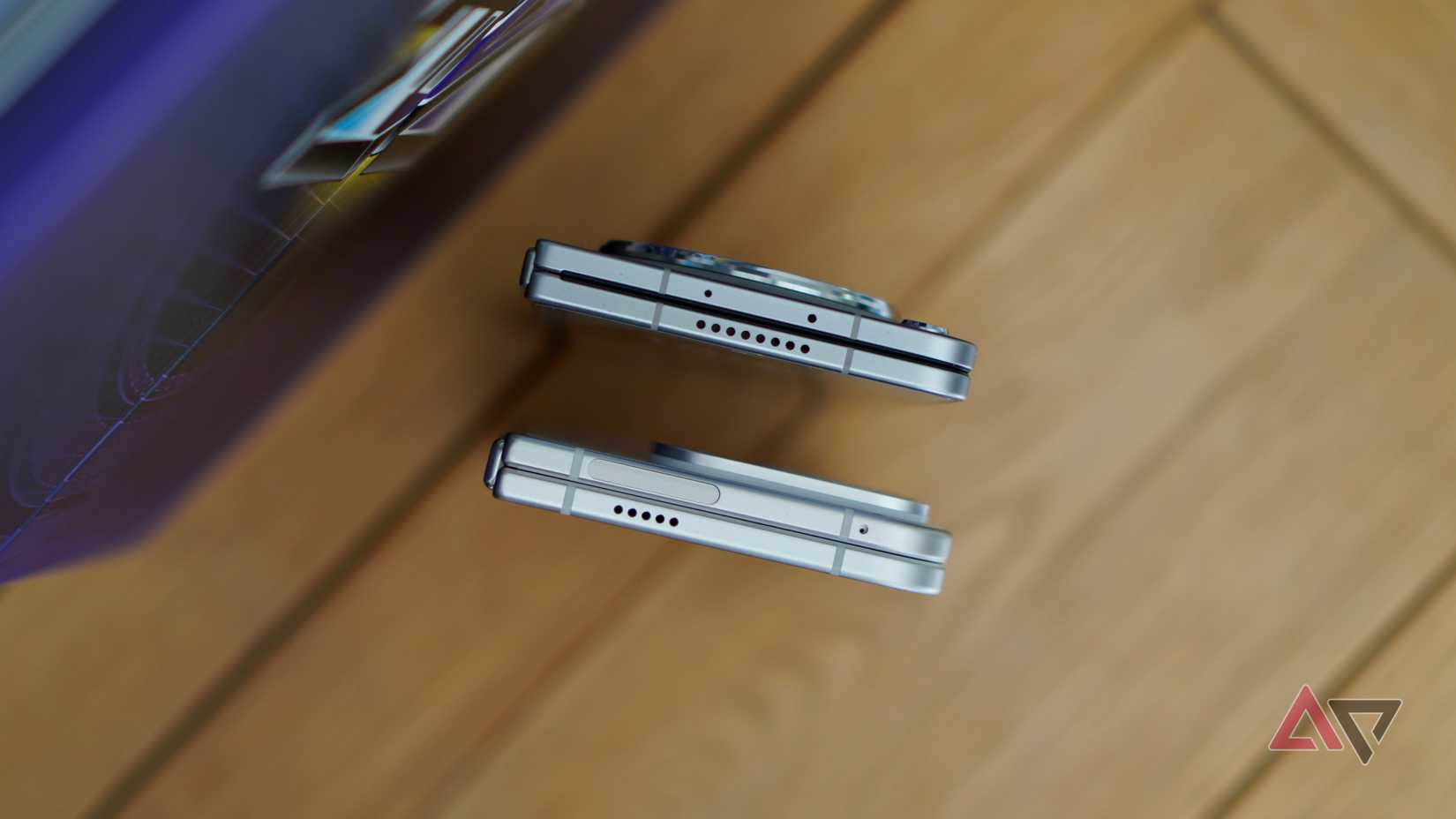
Both power keys contain the fingerprint sensor. Oppo’s is positioned below the volume keys and is natural to locate, plus it has an instant response.
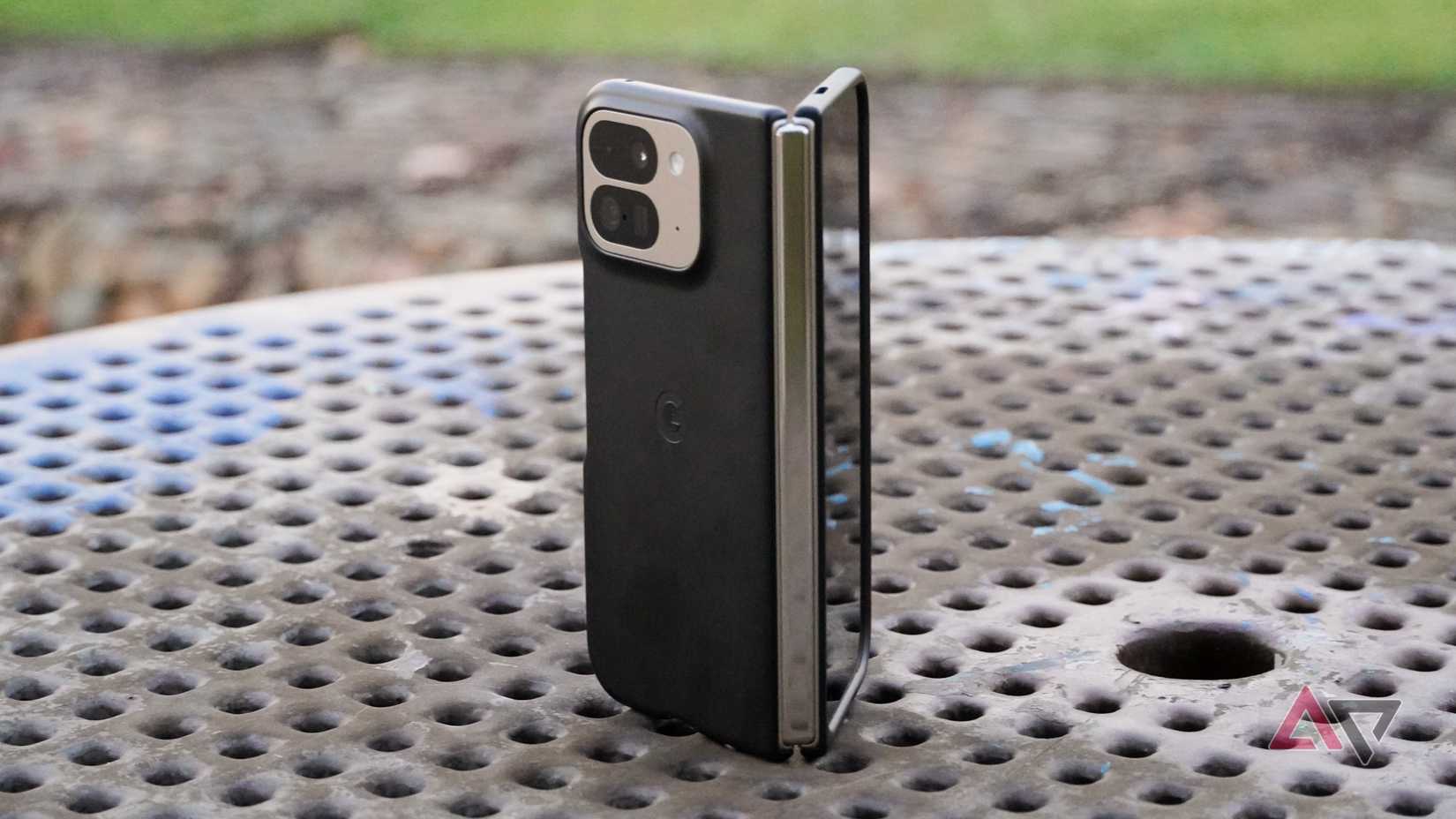
Google has put the power key above the volume keys, and it’s far less ergonomic, as my thumb naturally falls between the volume and power keys. I usually have to shift my grip to operate it.
It’s slower than the Oppo’s sensor, but both have lovely haptic feedback.
Nearly two years separate the Pixel 9 Pro Fold and Oppo Find N6, so finding hardware differences between them isn’t a surprise, but are they enough to ruin the Google foldable?
Did the Pixel’s pain points matter?
Not in the way you may think
The Pixel 9 Pro Fold’s crease is a Grand Canyon-like rift running down the center of the open screen when compared to the Oppo Find N6.
It’s noticeable visually, and even more when you swipe across it. Oppo’s glass has a texture that returns more grip than the Pixel’s glass.
When I got back into the swing of using the Pixel 9 Pro Fold, I was less bothered by the obvious crease. It has never been a big issue for me anyway, and while I love the Find N6’s flat, smooth open screen, I certainly didn’t hate the Pixel’s creased screen.
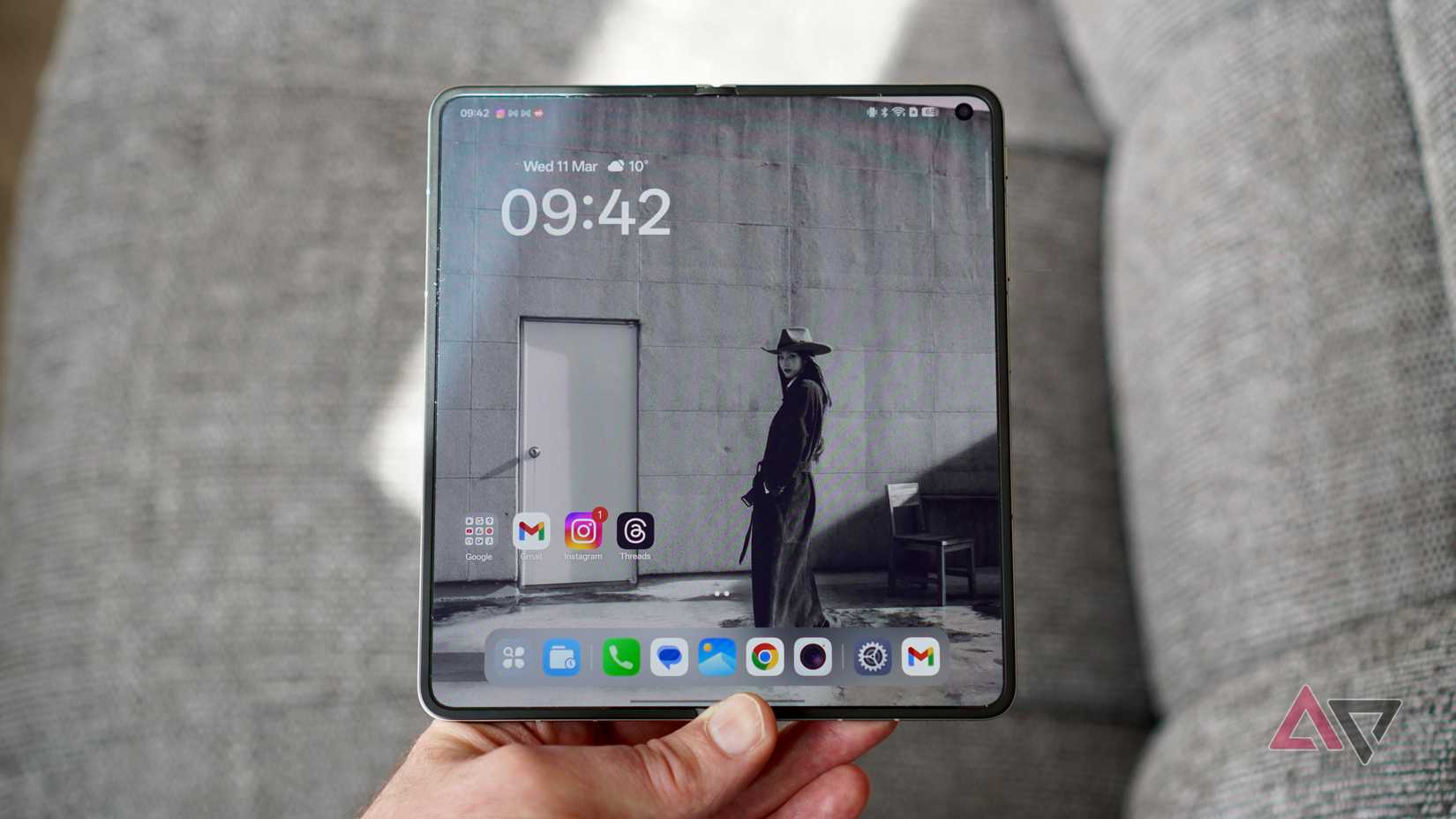
Its 6:5 aspect ratio cover screen and 20:5 inner screen are glorious, and holding the Pixel is quite different from the Find N6.
I immediately noticed how “normal” the Pixel 9 Pro Fold feels when you use it closed, but this advantage is quickly offset by the biggest downside of the older foldable.
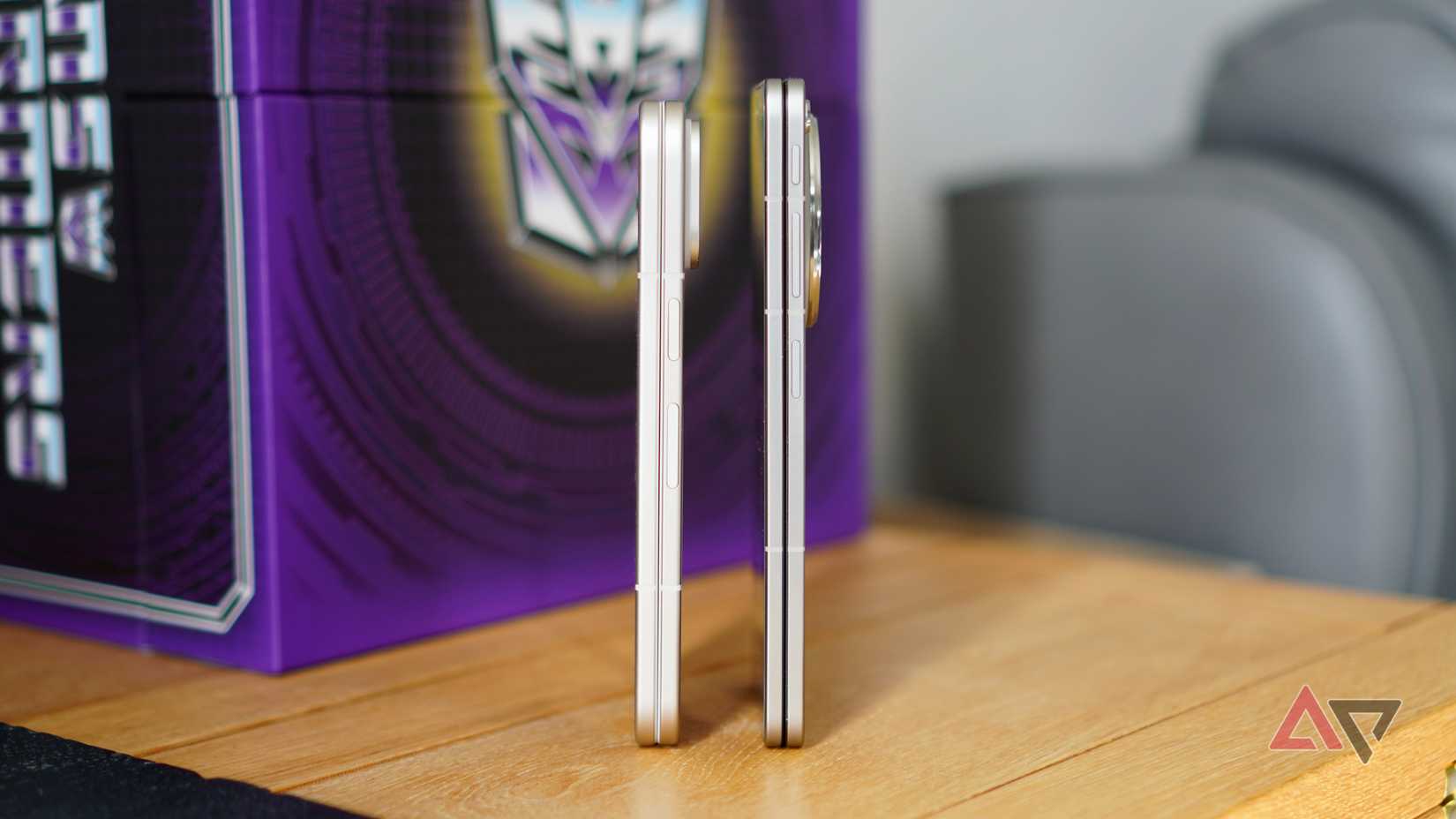
It’s all about the weight. The Pixel 9 Pro Fold is 257 grams, and the Find N6 is just 225 grams, and believe me, you really notice.
A lot of it has to do with the Pixel’s squatter, squarer, and thicker shape, and how this translates into it being a phone I constantly notice.
I never had any problems carrying around the Find N6, but the Pixel was a bit of a pain. It was always right there in my pocket. Not uncomfortably so, but obviously.
The additional weight makes using the wider cover screen more awkward, and the Find N6’s dimensions are more conducive to one-handed use when the phone is closed.
Pixel wins are still huge
Software benefits
The Find N6’s hardware is superior to the Pixel 9 Pro Fold’s, but mostly because of its thinner, lighter, and more usable weight and dimensions.
The Zero-Feel Crease is technically very impressive, and I wouldn’t want to go backward to using foldables with a noticeable crease in the future, but it’s not a make-or-break for me.
The Pixel 9 Pro Fold won me over in Android 16. I’ve grown to like Oppo’s ColorOS over the past year or so, but Google’s version of Android on the Pixel is wonderful.
From the haptics and clean design, to the smoothness and unfussy setup and style, it’s a joy to use.
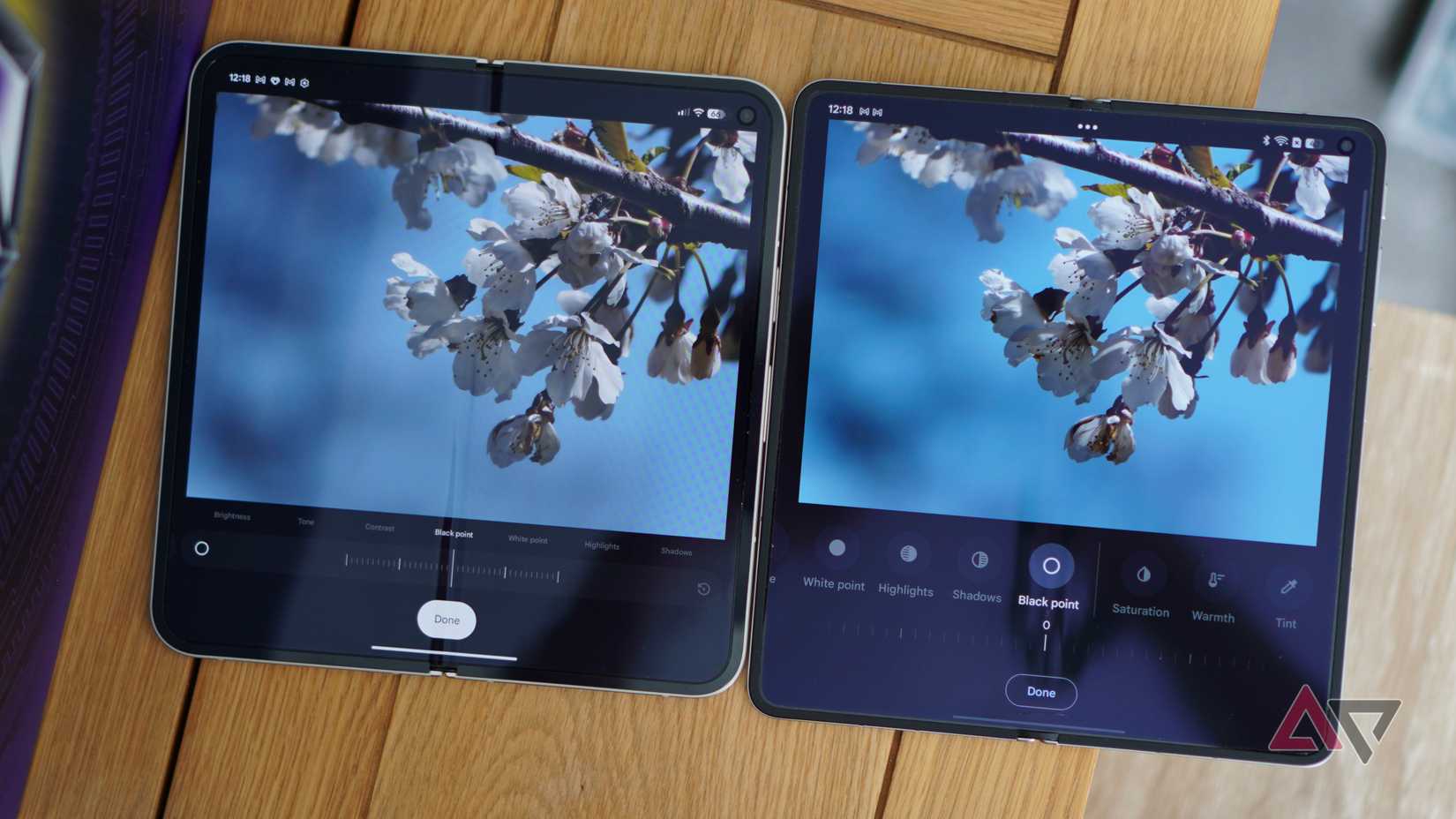
A couple of examples highlight this for me.
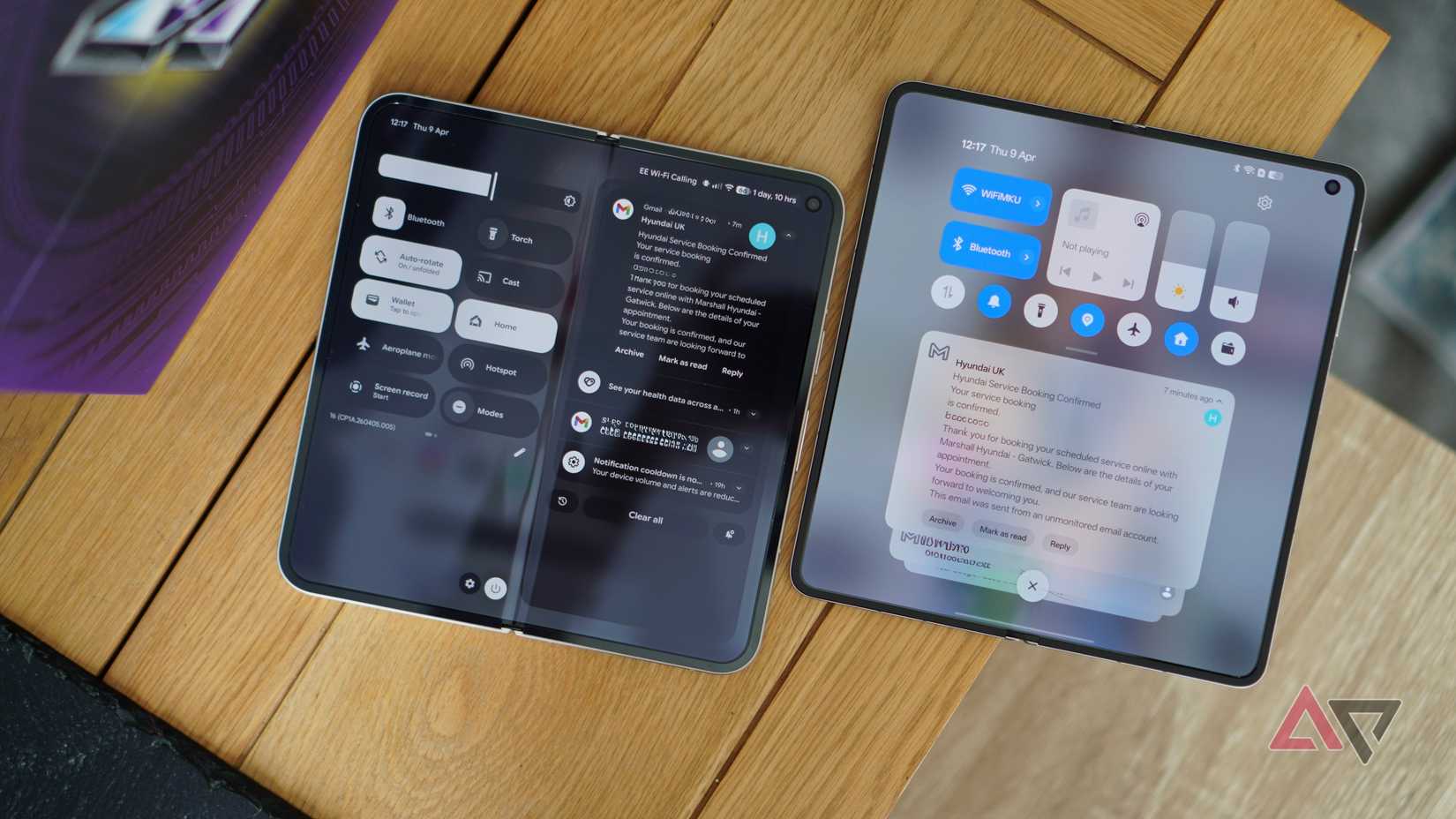
The first is the pull-down notification and Quick Settings panel. On the open Pixel 9 Pro Fold, it’s split vertically, and I find this logical and easy to interact with. The Find N6 presents everything in a vertical list, just like on a regular non-folding phone screen.
I like using the open screen to edit photos in Google Photos, and the Pixel’s interpretation is cleaner and less cluttered, making the photo you’re editing the focus of the screen, rather than massive icons on the Find N6.
They’re just little things, but they impact how I interact with the phone, and ultimately affect how much I end up enjoying it.
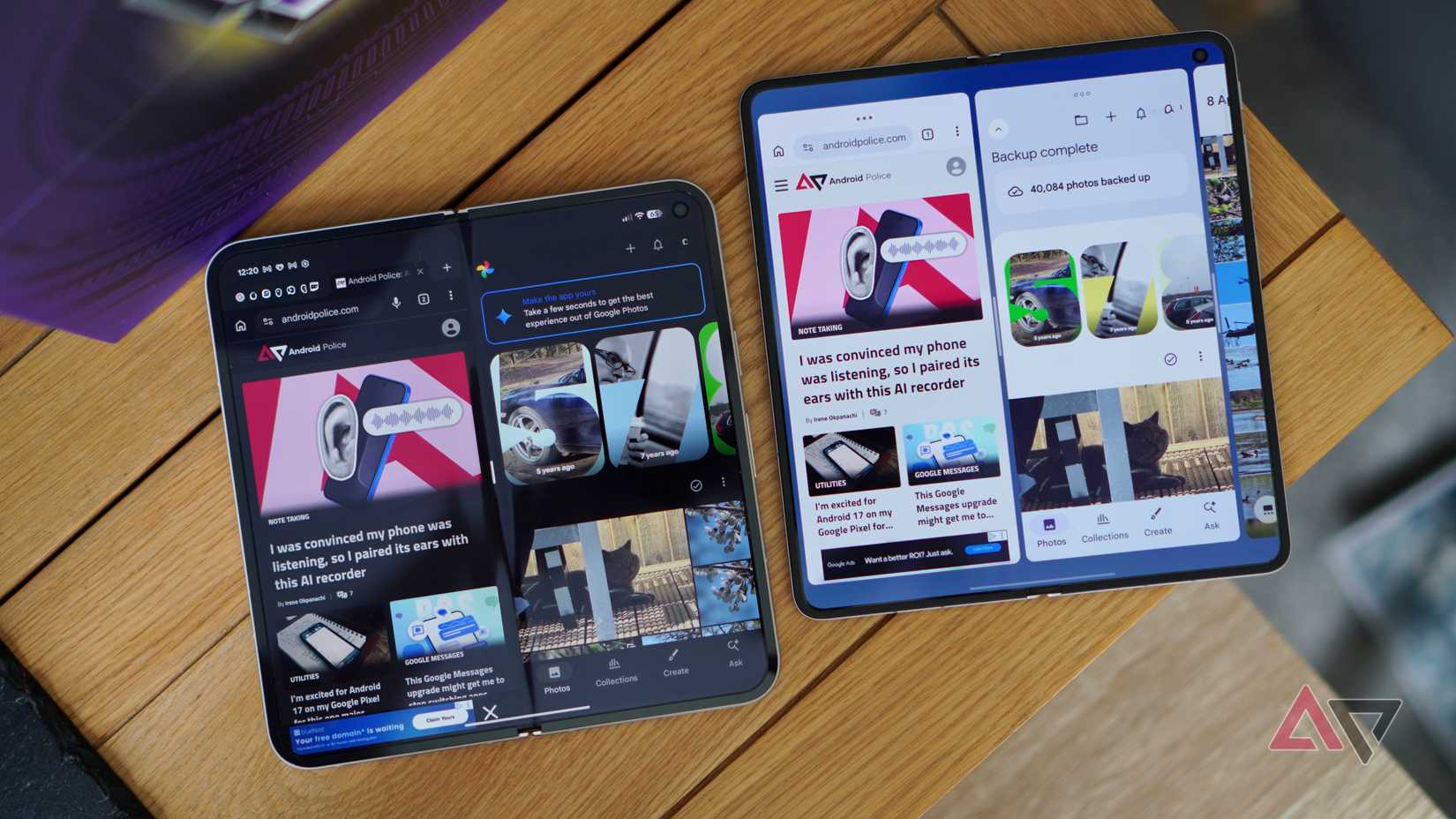
That said, the Pixel can’t match ColorOS’s brilliant triple-screen multitasking mode (which it calls Boundless View) and only displays two apps side-by-side.
I don’t have many reasons to use the feature often, but it’s a winner when I do.
Better isn’t always best?
So much to like in both
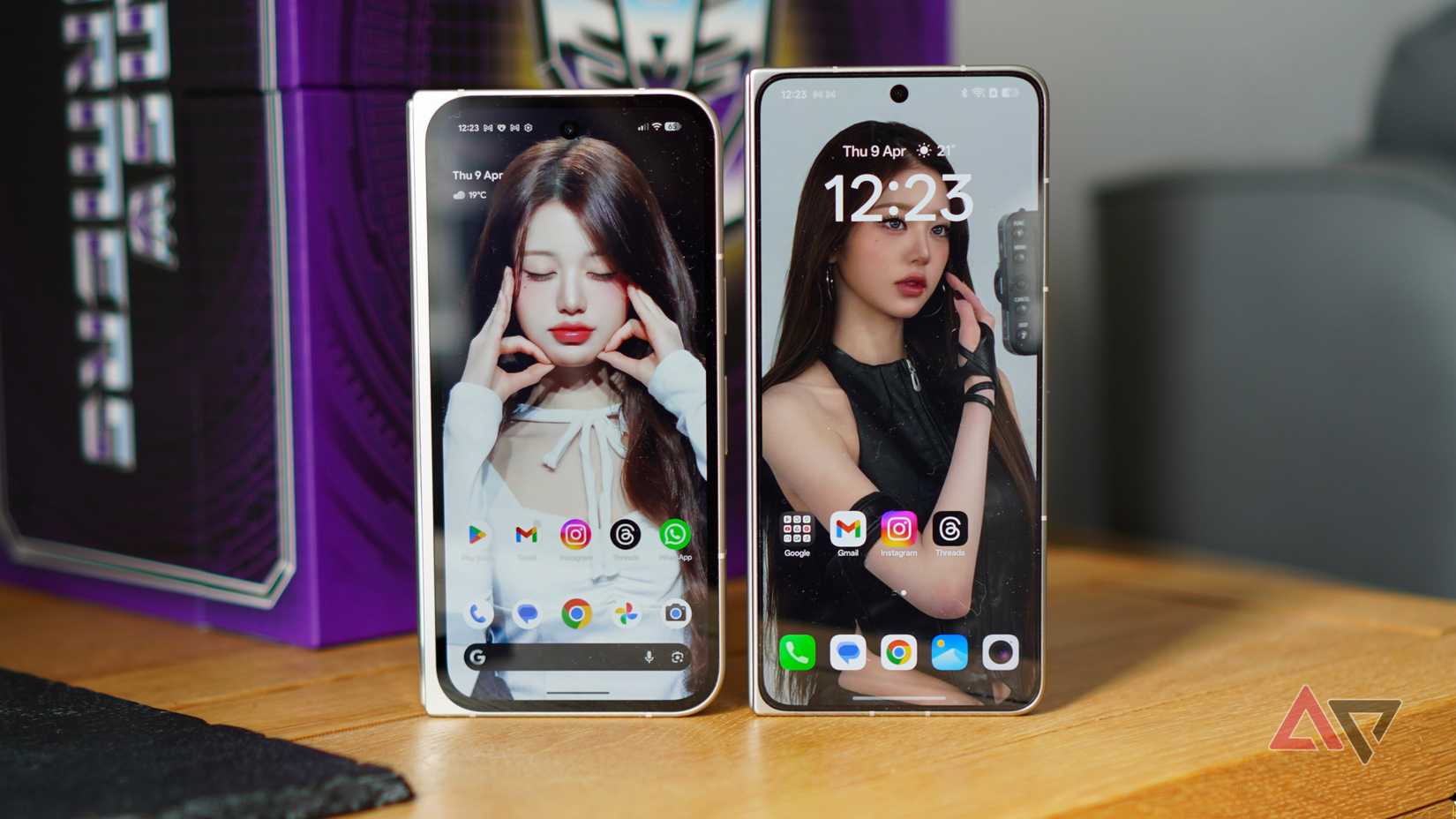
Using these two folding phones almost back-to-back has really shown how much Oppo has pushed foldables forward in terms of hardware.
From the moment you pick the phones up and unlock them, you will immediately notice that the Find N6 is a world apart from the Pixel 9 Pro Fold.
However, the Pixel 9 Pro Fold has been such a great folding phone to revisit. It has shown me that hardware improvements aren’t enough to make any upgrade considerations a no-brainer.
The Pixel 9 Pro Fold may not be “new,” but the software is (and will continue to be) up to date, and it’s a serious strength.
The camera remains a high point too, taking beautiful images with a natural tone that few others, even the much-improved Find N6, can easily match.
In the comparison above, the Pixel 9 Pro Fold’s photo is on the right.
As I prepare to swap my SIM from the Pixel 9 Pro Fold to another phone, I find myself coming to a surprising conclusion.
Yes, I’m going to stick with my opinion that the Oppo Find N6 is the best foldable available at the moment. Still, the next time I find myself with a moment to try out another phone and a foldable catches my eye, I wouldn’t pass the Pixel 9 Pro Fold by.
Google got a lot right, from the aspect ratio to the software, and it has seen the Pixel 9 Pro Fold continue to be an excellent foldable to own in 2026, even when there are improved models available.

8/10
SoC
Google Tensor G4
RAM
16GB
Storage
256GB or 512GB
Battery
4,650mAh
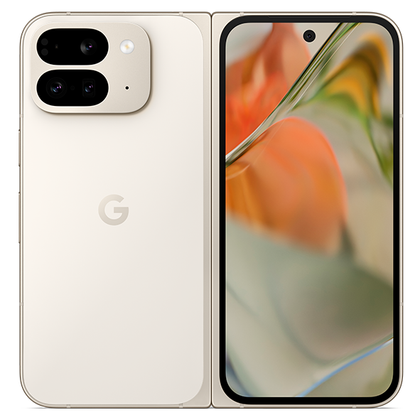
The Pixel 9 Pro Fold features all the bells and whistles of its predecessor, alongside a more durable hinge that lets it sit flat, seven years of OS updates for the foldable (up from three), and all the AI smarts you could ask for.