

Learn how one Vancouver couple is dealing with the rising cost of groceries. Andrew Johnson reports.
VANCOUVER – With grocery prices continuing to climb, a British Columbia couple has taken on an extreme budgeting challenge: spending only $160 a month on food.
Michelle Nijdam and her husband Thomas are newlyweds living in metro Vancouver. They have been documenting their attempt to limit grocery spending to $40 a week.
“We just picked the lowest number we thought we could make it on,” Nijdam said. “We’re making it a fun challenge rather than just cutting back.”
The couple began the 16-week challenge in January, after going over their finances and setting some aggressive goals.
Nijdam has built a growing online following through her YouTube channel, @MichellesHomemaking, where she outlines the realities of maintaining a strict food budget in one of Canada’s most expensive cities in videos edited by her partner.
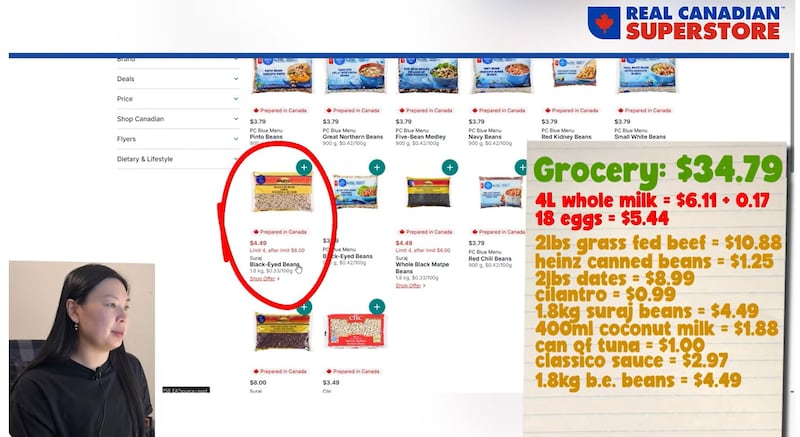 Michelle Nijdam going through flyers, making shoppin list on her Youtube channel. Michelle Nijdam going through flyers, making shopping list on her Youtube channel. (CTV News) Resisting temptation
Their approach relies heavily on discipline, planning and a willingness to forgo convenience.
At the grocery store, even small price differences matter. Finding onions for 49 cents a pound or slightly discounted bananas is cause for excitement, while pricier items, like honey, are quickly ruled out.
Controlling quantity is just as important as finding deals. Even the weight of individual produce items is scrutinized to avoid overspending.
Shopping strategy
Nijdam typically visits up to four stores a week, combining flyer deals with an in-depth knowledge of where specific items are cheapest.
“Superstore would be flour and eggs,” she said. “Safeway, cheese. Walmart is best for Adam’s peanut butter.” She also recommends shopping at stores that will price match competitors, to save trips.
For produce, Nijdam generally stick to local stores that offer deals. With CTV News, she visited Kin’s Farm Market and Persia Foods, both in North Vancouver.
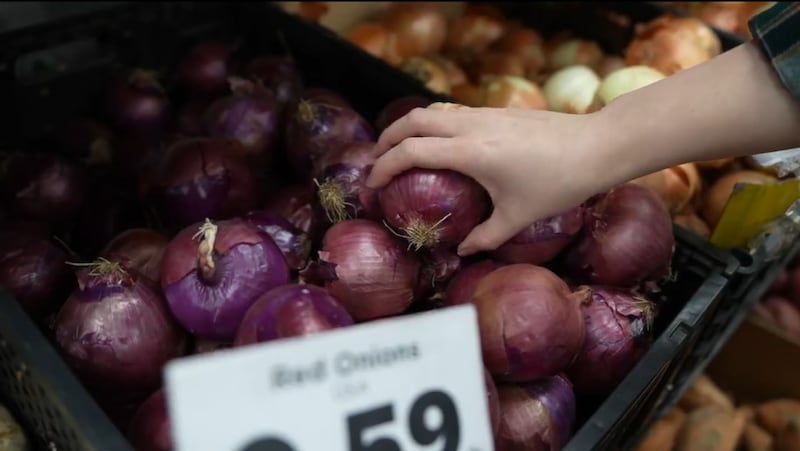 Michelle Nijdam picking out produce. (CTV News) Michelle Nijdam picking out produce. (CTV News) Making food last
Each week begins with taking stock of what remains at home, from dry goods like flour, rice, and pasta, to eggs, milk, and the couple’s primary source of protein: beans. They are forced to largely avoid meat.
“We are on week 12 and we’ve managed to buy meat one time,” Nijdam said. Cheese is a once-a-month splurge.
Nijdam does a lot of baking in large batches to stretch ingredients as far as possible.
Meals on a typical day could include an egg, a homemade bun and half an orange for breakfast. For lunch, leftovers or a bean and vegetable combo. Bread or a baked good for a snack. For dinner, another serving of beans and vegetables, and a carbohydrate like pasta or rice.
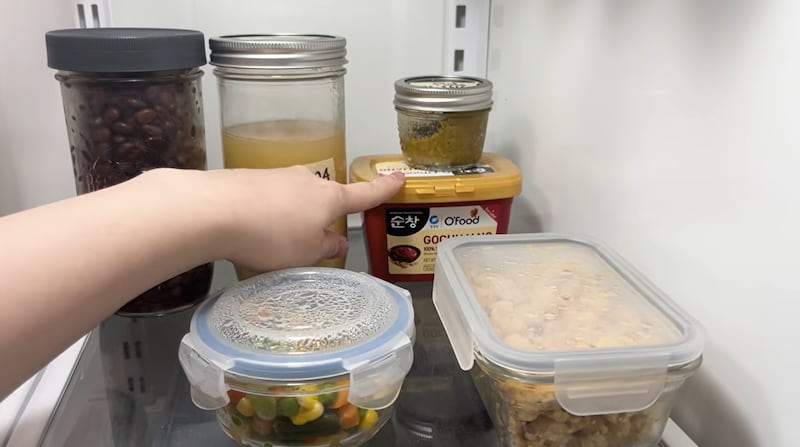 Inside Michelle and Thomas Nijdam’s fridge. (CTV News) Inside Michelle and Thomas Nijdam’s fridge. (CTV News) The mental strain
Nijdam acknowledges it’s tough mentally to go without convenience foods.
“If I don’t soak the beans on the right night, or if I don’t feel like cooking it’s stressful because it’s like, will I have the protein I need?” she says, looking inside the fridge can also take some getting used to.
“It’s a strange feeling. It’s strange to see your fridge so empty,” Nijdam said, adding that she’s heard from Canadians who don’t have a choice and are forced to go without, or use much of the food they have primarily to feed their children.
“If we weren’t choosing to do this, it would be frightening,” she said.
 Michelle and Thomas Nijdam Michelle and Thomas Nijdam. (Michelle Nijdam) Not sustainable
While the strategy has worked so far, Nijdam says she doesn’t think spending only $160 per month would be doable for the couple for more than a few months.
She’s very grateful for monthly dinners they’ve enjoyed during the challenge at her mom’s place, including luxuries like meat, which the couple have greatly missed. They also come home with leftovers that go straight into the freezer.
Despite the difficulty, the couple says they hope their journey can offer practical ideas for others looking to cut back on grocery costs, even in small ways.
They have about a month left in the challenge, and a reward in mind when it ends: pizza and hamburgers.