
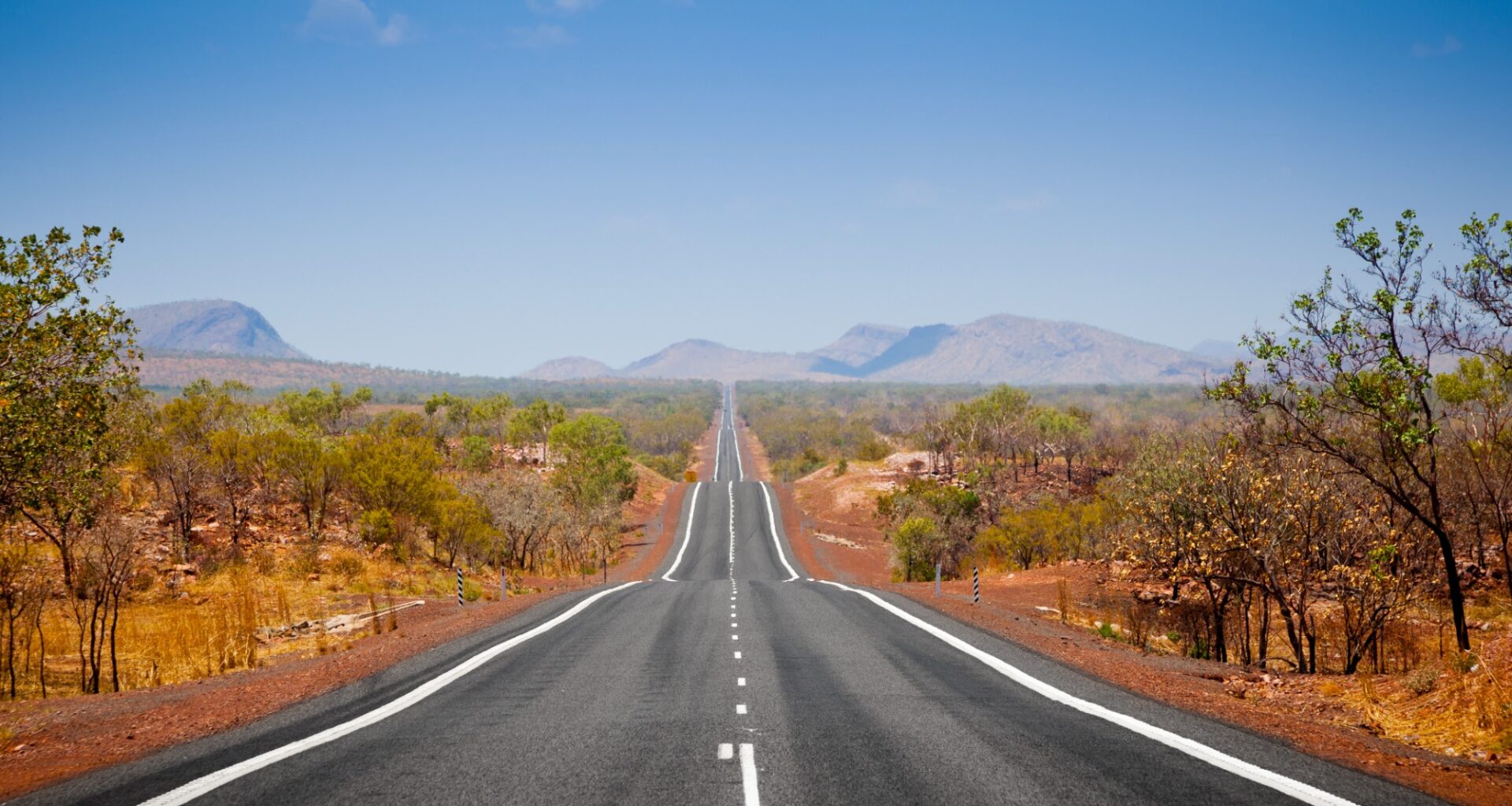
Australia’s regions are growing, but these 10 hotspots have seen bigger population increases than most over the past year.
Ten million people now call regional Australia home, according to the latest figures from the Australian Bureau of Statistics.
The latest issue of the ABS’ Estimated Regional Population (ERP) report indicates that the population of the regions continues to expand. In 2025, the regional population grew by 1.1%, reaching 10.02 million. That’s a 6.3% increase over the population size recorded in 2020 – a year that itself was quite significant for growth outside of the capitals.

On the list of regional locations experiencing the highest population growth rate, one state took out eight of 10 spots. Image: Getty
Australia experienced a surge of interest in regional living in 2020, when new remote-work conditions driven by the COVID-19 pandemic encouraged Australians to consider what they want out of their communities and homes. As such, many looked for larger dwellings and more space in non-metro communities.
As life slowly returned to normal, businesses and governments have tried to encourage populations back to offices, to at least a degree of success. As such, some have suggested that the great regional migration would end up as a blip in Australia’s migration patterns.
Not so, according to the latest ABS release. The regional growth rate of 1.1% is comparable to the current metro growth rate of 1.8%, and is far from the backward slide many predicted.
And according to the Regional Australia Institute’s (RAI) latest movers index, there continues to be a steady flow of relocators moving from metro areas to regional towns.
In the final quarter of 2025, capital-to-regional migration accounted for 11.% of all relocations between local government areas across Australia. That’s the second highest level since 2022, and outpaced movement in the opposite direction – from regions to capitals – by 31%.
So, which are the regions that are experiencing the highest levels of population growth? According to ABS data analysed by RAI, many of the 10 non-metro areas experiencing the biggest rate of growth are located in WA, where lifestyle locations just outside of Perth’s boundaries – but within reach of the capital – have dominated as a relocator hotspot over 2025.
Serpentine-Jarrahdale, south-east of the Perth metro area, saw its population swell by 4.5% between 2024 and 2025. New estates in that region such as Constellar at Cardup Junction, The Whitby Estate and Taylor Springs Mundijong will eventually accommodate over 5000 new homes for residents in the area.
Home to Serpentine National Park, Serpentine-Jarrahdale had the highest rate of population growth over 2025. Image: Explore Parks WA
The Murray Shire in WA, further south, is also experiencing something of a population boom, with a growth rate of 3.9% over the 12 months. Here, suburbs like South Yunderup are the targeted areas of development for accommodating growth, with estates like Austin Lakes expanding options in the area.
Outside of WA, Victoria had the only location to reach the top five. Roughly 40km north of Melbourne, Mitchell Shire has been the state’s main hotspot for population growth, with the area expanding by 4.3% in 12 months. Attracting residents with its heritage-rich heart in towns like Kilmore, Mitchell Shire has been actively encouraging the addition of new housing to the mix, with developments like Broadstead Kilmore and Parkview Estate complementing the area’s historic character.
South Australia was the only other state to make an appearance on the top 10, with Adelaide Plains coming in sixth, with a growth rate of 3.8%. Located north of Adelaide, this agriculturally rich area has become more attractive to movers looking outside of the capital, but with city connectivity when needed. Major residential development has so far been clustered slightly further to the south of this region’s borders, but it does have a new land estate in Mallala called Gracewood.
Top 10 regions by growth rate as analysed by the Regional Australia Institute.Top 10 regional LGAs by growth rate (1 year growth rate) LGA name State 2024 2025 1yr Serpentine-Jarrahdale Western Australia 38793 40531 4.50% Mitchell Victoria 56079 58459 4.20% Murray Western Australia 20633 21447 3.90% Dandaragan Western Australia 3935 4089 3.90% Chittering Western Australia 6778 7039 3.90% Adelaide Plains South Australia 11307 11736 3.80% Augusta Margaret River Western Australia 19488 20170 3.50% Gingin Western Australia 6364 6585 3.50% Mandurah Western Australia 103346 106827 3.40% Toodyay Western Australia 5098 5251 3.00%
Of course, while population percentage increase is not an indicator of where the highest number of Australians are moving, it can be indicative of where communities are grappling with the greatest growing pains due to relative size increase.
When populations swell rapidly, there’s a natural knock-on effect to home prices due to increased demand, congestion, and use of critical infrastructure.
Developments like Broadstead Kilmore in Mitchell Shire are part of the equation for ensuring that there are homes to accommodate the area’s growth.
It’s why the Housing Institute of Australia (HIA) commented – in light of regional Australia hitting its 10 million population milestone – that propper planning needs to be put in place to ensure the health and vitality of the communities most affected.
The body noted that when demand surges in regional areas, towns and rural cities often face severe rental shortages, rapidly escalating housing prices that are increasingly disconnected from local wages, and a shortage of diverse housing types that meet the changing community’s needs.
HIA chief executive of industry policy, Simon Croft, stressed the need for local governments to be supported by a dedicated, long-term national housing plan that explicitly recognises the pressures faced by regional, rural and remote communities.
“Housing must be treated as critical economic and social infrastructure, especially in regions expected to absorb future population and workforce growth,” he said.
RAI, meanwhile, is advocating for a National Population Plan that identifies key areas of regional growth. According to chief executive Liz Ritchie, this should also inform where investment is earmarked for infrastructure, housing, childcare and health resources.
“We know regional Australia is growing, we have had evidence of that going back well before the COVID-19 pandemic. Now we need to support those communities to grow and prosper as Australians vote with their feet and move out to the regions,” she said.
Are you interested in learning more about new homes being built across Australia? Check out our dedicated New Homes section.