
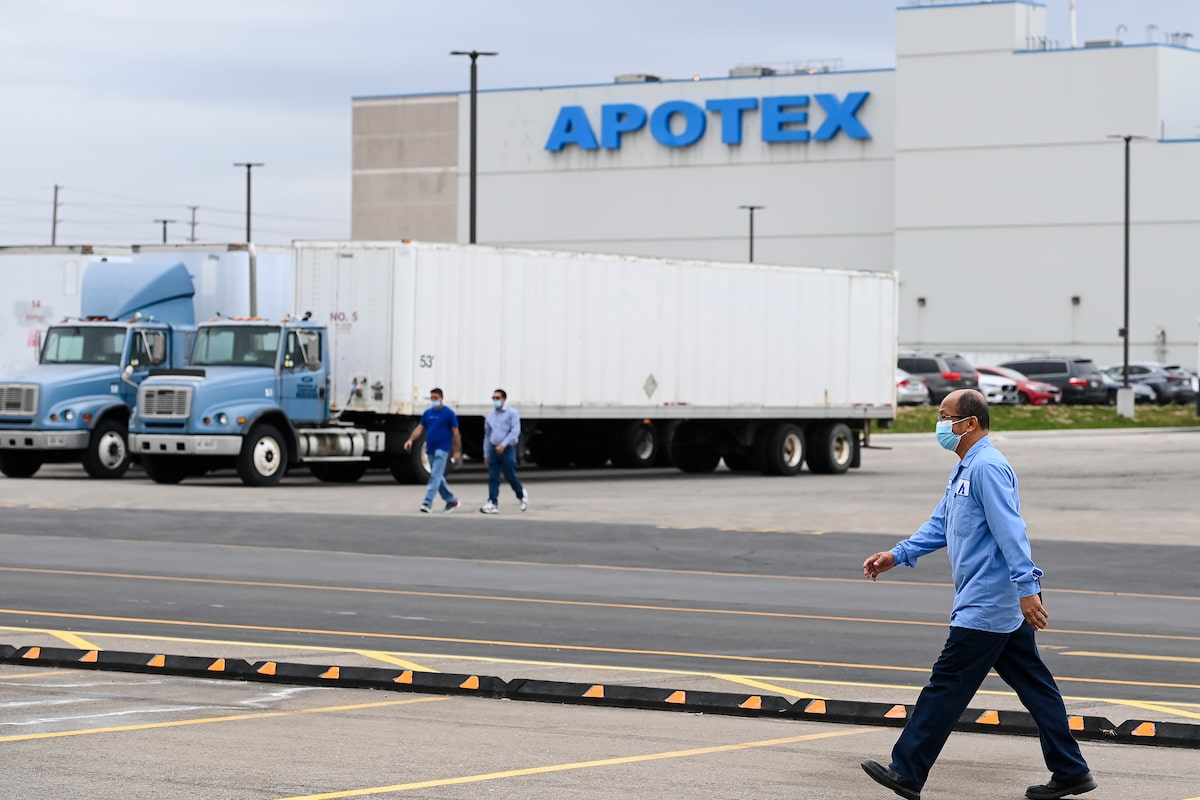
Apotex Inc. has won tentative approval from the U.S. Food and Drug Administration for a cheaper, generic form of Ozempic six years before the patent expires there, while no generic versions have been approved in Canada since they became legal three months ago.
The Canada-based company said Friday its injectable version of semaglutide, the active ingredient in the blockbuster diabetes and weight-loss drugs Ozempic and Wegovy, was developed with Indian pharmaceutical company Orbicular Pharmaceutical Technologies.
A tentative approval from the FDA means the regulator has done a scientific assessment of the drug, but it is not cleared for sale until legal protections expire. The main U.S. patent on Ozempic, held by Danish drug maker Novo Nordisk, expires in 2032.
Being the first generic to launch in the U.S. comes with 180 days of market exclusivity, which could be especially significant for Ozempic. Novo Nordisk reported 2025 sales of 309-billion Danish krone (about $67-billion), more than half of which came from selling Ozempic and Wegovy in the United States.
Generic drugmaker Apotex switches CEO ahead of planned IPO
“This is an enormous first-mover advantage, as it would allow the first company to establish contracts and supply chains,” said Michael Law, a pharmaceutical policy researcher and academic director of the Centre for Health Policy at the University of Calgary.
Apotex is the largest drug manufacturer in Canada. It was founded in 1974 by entrepreneur Barry Sherman and sold to U.S. private equity firm SK Capital Partners LP in 2022 by Mr. Sherman’s family after the businessman and his wife were killed.
The Globe and Mail recently reported Apotex’s owners are planning an initial public offering for the company this year.
Canada was the first major market where generic forms of semaglutide, the country’s best-selling drug, became legal as of Jan. 5.
There are currently nine applications to make generic semaglutide sitting with Health Canada, some filed as early as February of 2024.
Ottawa should prioritize reviews and procurement of Canadian-made drugs, manufacturers say
Three of those applications are from Apotex, filed in January, April and November of 2025. The company has not disclosed how those applications differ and whether they are in partnership with Orbicular, like the U.S. application.
Apotex spokesperson Catherine Thomas on Friday declined to comment on the company’s Canadian applications.
Health Canada has a target of 180 days to assess generic drug applications. The Globe and Mail reported last year that generic drugs were taking longer to be assessed by Health Canada, and that in most cases applications were being rejected just a few days before the deadline with a request for more information.
When asked by The Globe for an update on generic semaglutide submissions in March, Health Canada said it believed it was still on target, based on the way it counts processing time.
“Reviews may take longer if data is missing or additional data are required,” spokesperson Marie-Pier Burelle wrote in an e-mail on March 25.
Apotex plans $1-billion initial public offering
“When this happens, Health Canada pauses its review while awaiting additional information from the manufacturer. This time does not count toward the 180-day target, and once new information is received, further review is required. To date, Health Canada is on track to meet review targets for generic semaglutide drug submissions.”
Prof. Law said that, given the timelines, there appears to have been a lot of back-and-forth discussions between the regulator and drug manufacturers.
He said it is not clear yet if the delays are because of manufacturers taking too long to gather responses, or if Health Canada is requesting data that requires the companies to carry out new studies.
“We have no idea of what the nature of the requests are and the level of burden being put on manufacturers in this case,” he said.
Generic semaglutide became legal in India on March 23, and a number of companies announced that day they had regulatory approval to begin selling their products, including two drug makers that also have applications pending with Health Canada.