

April 14, 2026 — 6:38pm
Save
You have reached your maximum number of saved items.
Remove items from your saved list to add more.
Save this article for later
Add articles to your saved list and come back to them anytime.
Got it
AAA
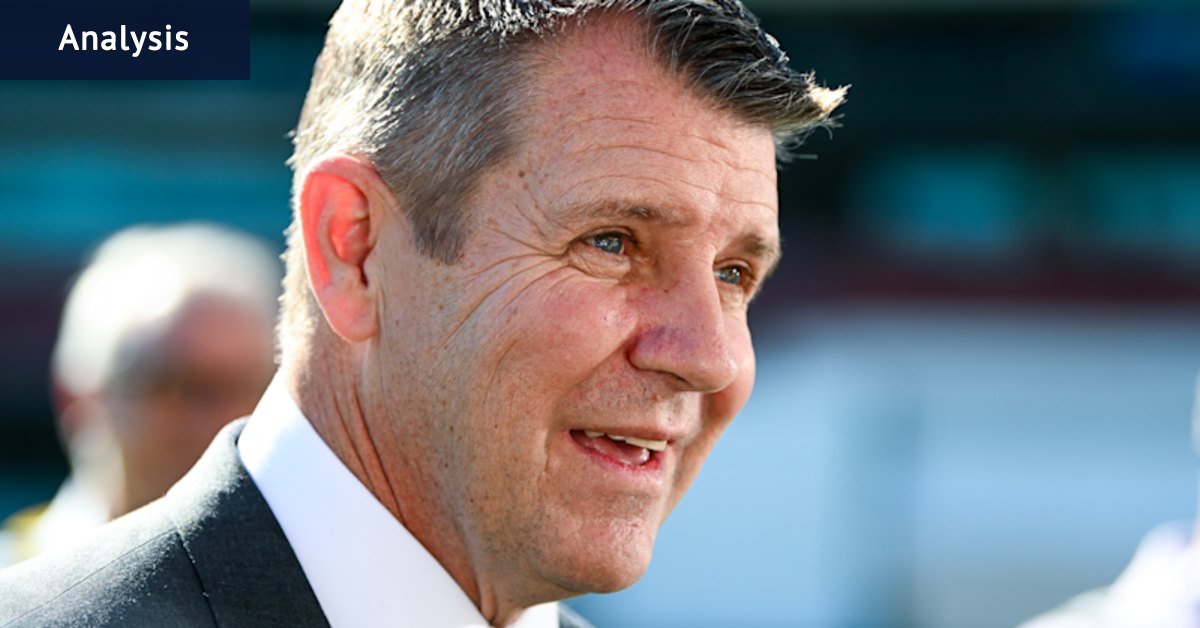
In the high-stakes poker game being played in Australian cricket around selling off a portion of the Big Bash League to overseas investors, one of the biggest chips is Cricket Australia chair Mike Baird himself.
Since stepping into the job in early 2023, former NSW premier Baird has been an unabashed advocate for private investment in Australian cricket, and it was among the first things on his agenda from the moment he was confirmed to be taking the role.
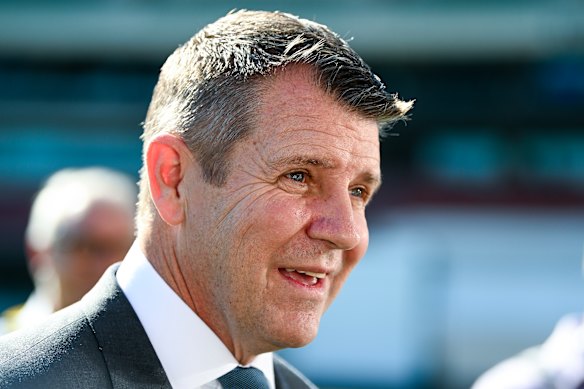 Cricket Australia chair and former NSW premier Mike Baird is a central figure in the Big Bash drama.Getty Images
Wednesday is deadline day for states to tell CA whether they wish to proceed with valuations of the BBL clubs. On Tuesday, Baird’s home state of NSW was expected to be opposed to selling, while Queensland Cricket was weighing up their options at a scheduled board meeting.
At least four states – Victoria, South Australia, Western Australia and Tasmania – are expected to respond in the affirmative.
The power play over CA’s push to sell off stakes in BBL teams, which would amount to the biggest upheaval in Australian cricket since Kerry Packer’s World Series Cricket revolution, goes all the way to the top.
Related Article
Before he joined CA, Baird sat on the Cricket NSW board, where there was much discussion about exploring the possibility of private investment.
But over the eight months since CA received an independent report by Boston Consulting Group that recommended a BBL sell-off as one of the ways in which to make the Australian Twenty20 competition second only to the Indian Premier League, things have changed.
While Baird and the CA chief executive Todd Greenberg have been vocal in their advocacy, Cricket NSW has grown increasingly sceptical of the move.
Which takes us back to Baird. In 2022, when he was nominated to the CA board, Baird did so as the nominee of Cricket NSW (chaired by John Knox).
He is still the nominee of the state that has grown ever more wary of BBL privatisation, even as Baird has continued to push for the float.
It is a theoretical, though ugly, possibility that NSW could withdraw their support for Baird as their nominee.
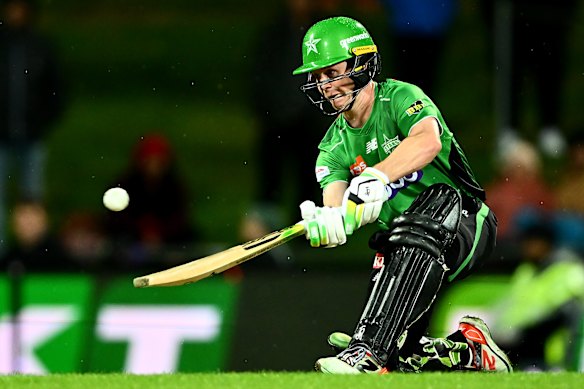 Sam Harper was dominant in the Big Bash for the Melbourne Stars.Getty Images
To do so would effectively serve as a vote of no confidence in Baird as the chair, and leave CA in an awkward position regarding board leadership. It would also return Australian cricket to the dysfunctional days of 2018 to 2022, when no fewer than four CA chairs, plus former chief executive Kevin Roberts, came and went while big picture issues were kicked down the road.
Both CA and CNSW declined to comment on the matter.
In 2018, after the release of a cultural review of Australian cricket following the Newlands ball-tampering scandal, then chair David Peever resigned because he lost the support of NSW, having previously stated he would serve only with the backing of all parties.
The following year, Cricket Victoria did not support its nominee and then chair Earl Eddings, resulting in Eddings moving across to an independent director’s spot. Eddings was himself compelled to resign in 2021 after losing the support of most state associations.
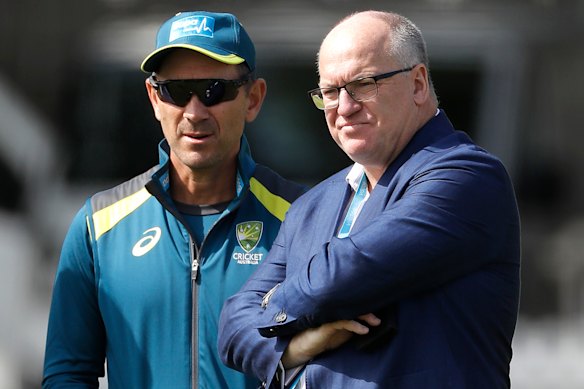 Former Cricket Australia chairman Earl Eddings with Justin Langer on the Ashes tour in 2019.Getty Images
Both sides of the argument believe fiercely in the rightness of their position.
For Baird and CA there are strong financial reasons for the sale, even if the end result is some states buying their BBL licences from CA and thus returning money from state distributions back to the coffers of the central body, which has returned an annual deficit every year since 2021.
Baird has also advocated for the strategic importance of being linked to the burgeoning network of T20 franchise leagues around the world, both for competitive player salaries and for relevance into an uncertain future for international cricket.
Editor’s pick
But the sceptics, given voice recently by the Cricket NSW chief executive Lee Germon, have made plenty of their own arguments. There is more commercial money to be made from Australian cricket as it is, they argue, without ceding control of franchises to foreign investors – perhaps through wagering.
And the amount of money currently in the game should be plenty to pay competitive rates to players and also fund the grassroots levels of the game: it is simply a matter of less waste and better distribution.
“We’re at the point where we believe that there need to be alternative proposals considered,” Germon said last month. “We may well end up at the first proposal which is selling all the clubs, but we need to do the due diligence.
“We want to invest in BBL. We want to lift it. We want to have the best players playing it. Are there alternative ways we can do that without necessarily going straight to selling the clubs?”
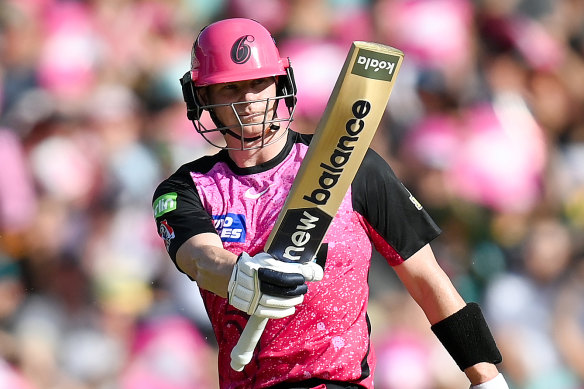 Steve Smith celebrates his record-equalling third Big Bash century.Getty Images
Disagreement over the future of the BBL has re-opened old faultlines. Since 2018, the states have been far more empowered to give their opinion and wield decision-making influence.
There are now regular meetings of state CEOs and chairs, while each state has the ability to directly nominate a director to the CA board. CA directors feel a strong primary responsibility to do what they see as being best for Australian cricket, but also cannot afford to get too far away from the views of the state that nominated them.
Either way, there is awareness within Australian cricket that the current stand-off between CA and NSW is an extremely delicate one for all concerned. Not least because Baird is the highest profile chair of CA since the days when Sir Donald Bradman walked the corridors of power in the 1970s.
News, results and expert analysis from the weekend of sport sent every Monday. Sign up for our Sport newsletter.
Save
You have reached your maximum number of saved items.
Remove items from your saved list to add more.
 Daniel Brettig is The Age’s chief cricket writer and the author of several books on cricket.Connect via X.From our partners