
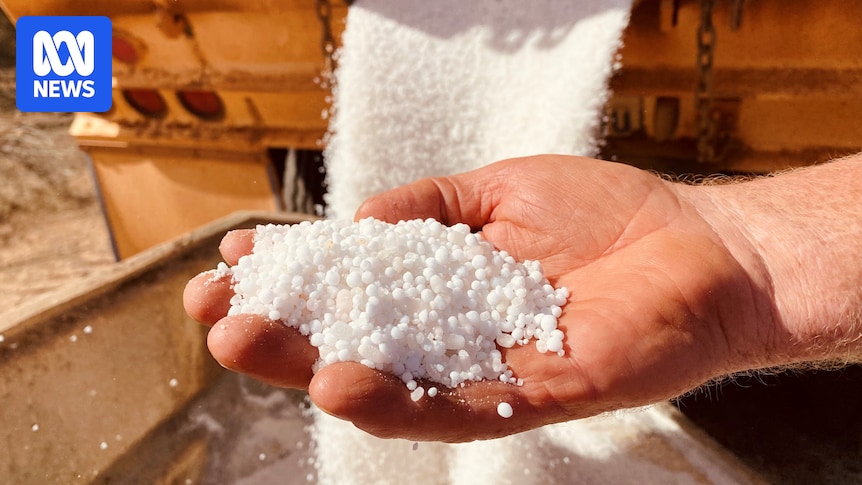
Canegrower Dean Cayley has never needed to ask his neighbours for a cup of sugar, but the Iran war did have him going cup-in-hand for a tonne of fertiliser.
“One grower had a bit stored and he probably only had about five tonnes,” Mr Cayley said.
“We use on average up to 70 tonnes just for my farm.”
Iran war live updates: For the latest news on the Middle East crisis, read our blog
His soil needs nitrogen for the crop to grow, but with the war in Iran closing the Strait of Hormuz, urea — a key ingredient in fertiliser — has been in short supply.
“Nothing grows without fertiliser and water,” Mr Cayley said.
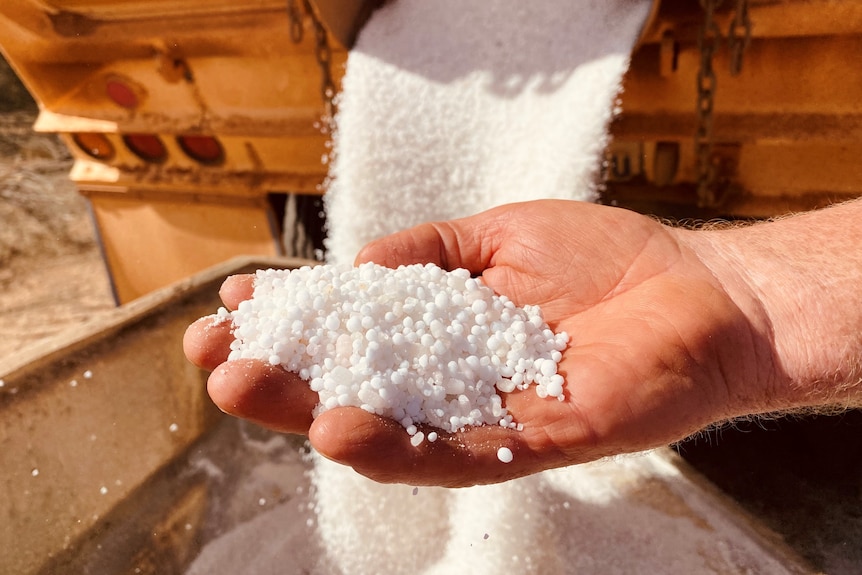
Most of Australia’s urea supply is from the Persian Gulf. (ABC Mid West & Wheatbelt: Jo Prendergast)
Years after Australia’s last urea manufacturer closed, the agricultural industry is on “boat watch” awaiting ships containing vital fertiliser to make their way to port.
About 60 per cent of Australia’s urea supply comes from the Persian Gulf, but it was not always that way.
As farmers approach winter planting, there is hope new projects will bring back Australia’s capacity to make its own.
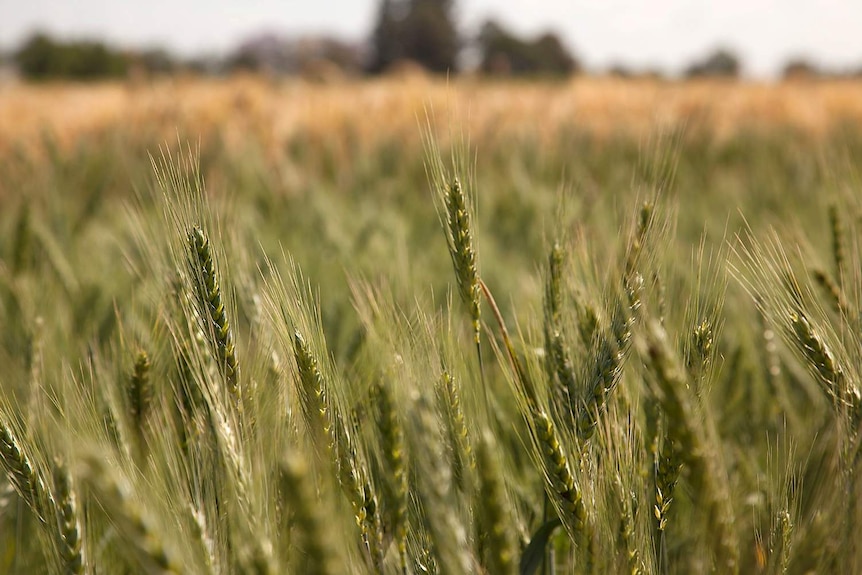
Growers rely on fertiliser to plant their winter crops. (Supplied: Queensland Alliance for Agriculture and Food Innovation)
From steady decline to future plans
Australia was not always so exposed to the global market.
Some supply came from a facility at Gibson Island near Brisbane, Queensland, but it ceased manufacturing urea in early 2023 after more than 50 years of operation.
It cited the cost of natural gas as the reason for closing.
Vegetable growers won’t plant more crops if costs keep rising
Fertilizer Australia chief executive Stephen Annells said domestic manufacturing had declined over the past two decades.
“The issues that we see are industrial relations, environmental laws, cost of energy is a massive one,” he said.
Fertilisers are made up of different bases depending on soil needs.
Nitrogen fertilisers are mostly used in Australia, made from urea which is produced using natural gas.
“In this situation, the cost of gas to Australians is prohibitive,” Mr Annells said.
The industry was declining, but not dead.
In 2017, Perth-based Perdaman Industries announced plans to build a new plant in Karratha in Western Australia, to produce 2.3 million tonnes of urea each year.
The federal government has invested $490 million through the Northern Australia Infrastructure Facility and the Export Finance Australia facility.
Perdaman Industries founder Vikas Rambal recently told Australian media the plant could be finished by January 2027, four months earlier than expected, with an additional $200 million government investment and expedited visas for up to 400 specialist workers from India.
In response, Federal Minister for Industry Tim Ayres said the government would work carefully with the proponents to see what more could be done to bring forward production.
“This development in Western Australia in 2027 will mean we have onshore domestic urea production,” Mr Ayres said.
“That is a vital economic resilience measure.”
He said the federal government was exploring ways to reduce the cost of gas, including a gas reservation scheme and intervening in the market.
Susy Cornford says growers should have enough fertiliser for winter crop planting. (ABC South East SA: Elsie Adamo)
Ships on the way
Australia imported about 3.8 million tonnes of urea in 2025.
Farmers apply the product to paddocks ahead of planting and then again a few months later as a top dressing.
Argus Media fertiliser market reporter Susy Cornford said the peak season ran from March to July, and while growers had enough urea for the first application, supply would be tight for the second.
Ms Cornford said the price of urea had increased by about 60 per cent since the Iran war broke out.
But with supply still so low, she said it was creating “demand destruction”.
“When the prices are so high and there’s so little supply that there can’t be any demand,” she said.
“But I think that if there is supply, it will be bought.”
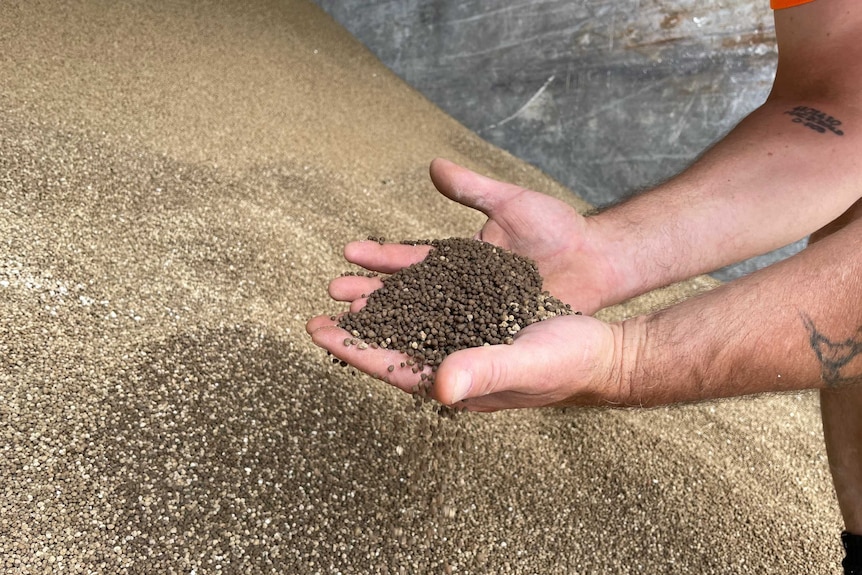
Australia imports the bulk of its phosphorous fertiliser supply. (ABC Rural: Bridget Herrmann)
Argus Media’s latest fertiliser report shows 235,000 tonnes of urea is in transit to Australia across nine vessels, with another 225,000 tonnes of phosphorous fertilisers also on board.
In the meantime, farmers are being urged to consider alternatives, though some are already calling for consumers to help foot the bill for rising costs.
Beyond urea
While urea-based fertiliser makes up the bulk used by Australian farmers, phosphate fertilisers are also widely used.
Mr Annells said Australia had one of the biggest deposits of phosphate in the world in the Georgina basin in north-west Queensland that spanned into the Northern Territory.
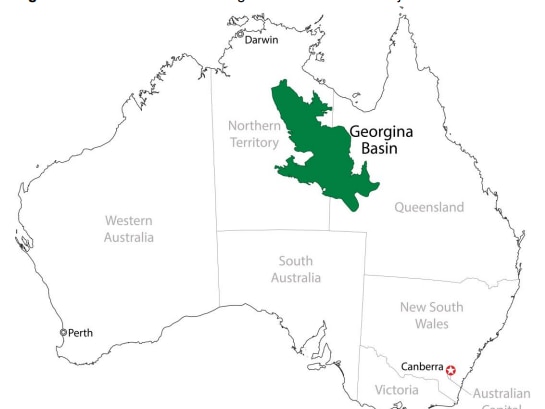
About 90 per cent of Australia’s phosphate deposits are in the Georgina Basin. (Supplied: Geoscience Australia)
North West Phosphate mines between 50,000-100,000 tonnes of rock each year that goes through minimal processing before it is sold on the domestic market, mainly to the turf and horticulture industries.
Managing director John Cotter said the company chose not to produce a finished synthetic fertiliser due to the cost of gas and electricity.
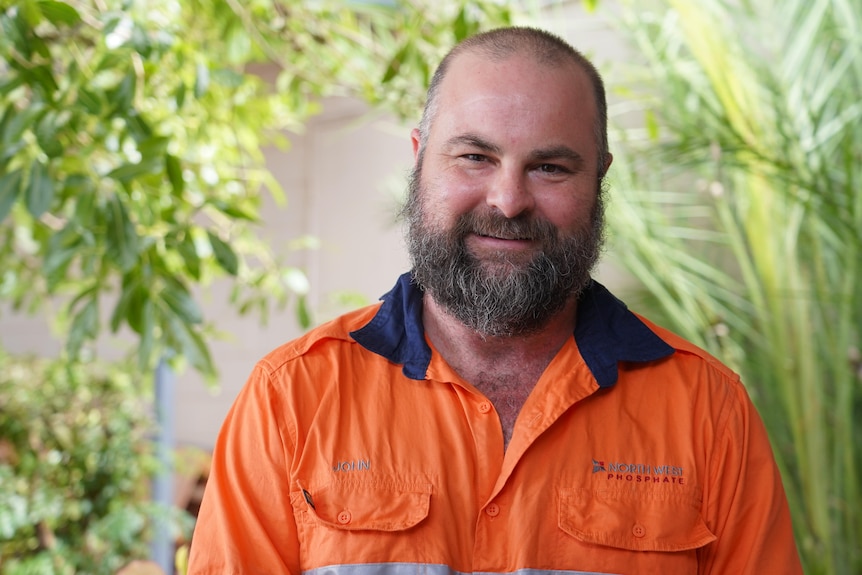
John Cotter says his company is looking to expand its operations to be able to export. (ABC North West Qld: Emily Dobson)
In the same region as North West Phosphate’s operations is Phosphate Hill, a fertiliser plant which was set to close in September but recently found a buyer to continue operations.
But even with the facilities, the bulk of phosphorus fertilisers used in Australia are imported.
Mr Cotter said his company was working with federal and state governments to fast-track a project to expand production to export as well.
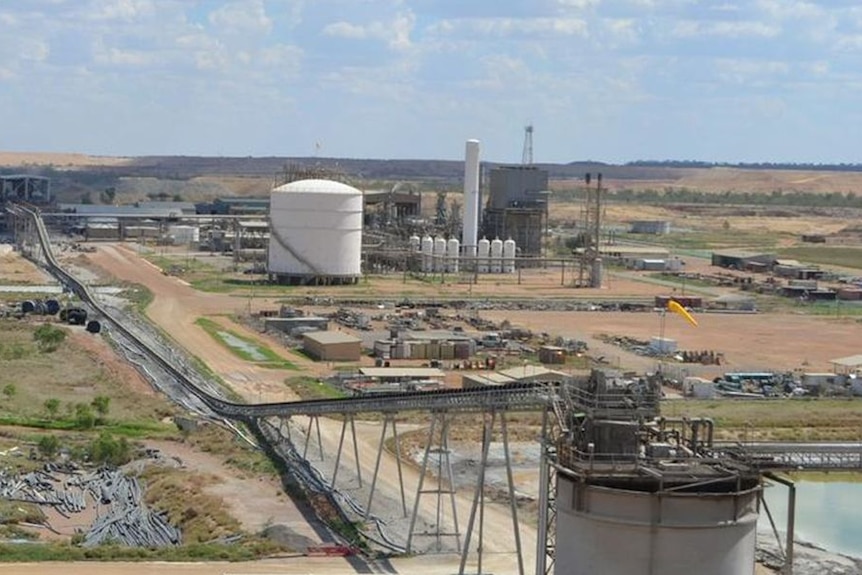
Dyno Nobel sold Phosphate Hill mine in north-west Queensland this year for $100 million to Mayfair. (Supplied: Dyno Nobel)
Loading…