
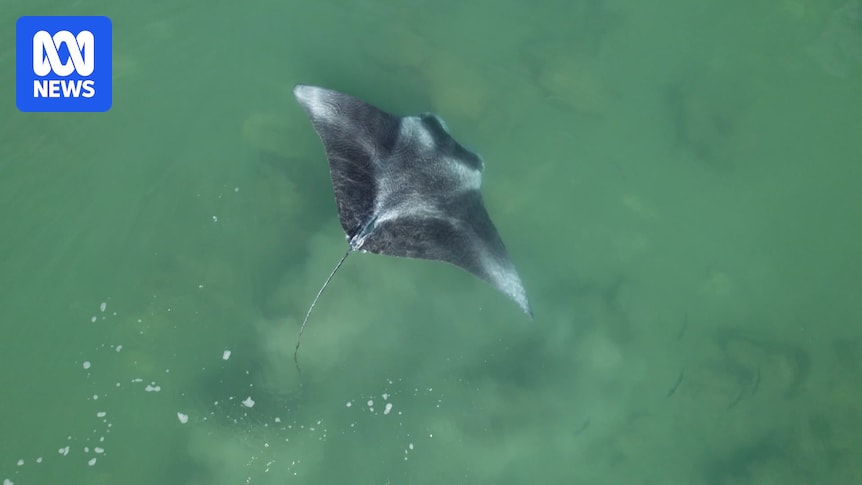
The diverse range of rare species in the “ecologically unique” Darwin Harbour rivals that of the World Heritage-protected Ningaloo Reef in Western Australia, a new report has found.
The report — commissioned by Environment Centre NT and released on Thursday by independent consultancy Oceanwise Australia — found hundreds of species of fish, birds, marine creatures and trees call the capital city’s harbour home.
It said they include “globally significant populations of four of the five critically endangered sawfish species, six of the seven marine turtle species and 15 sea snake species”.
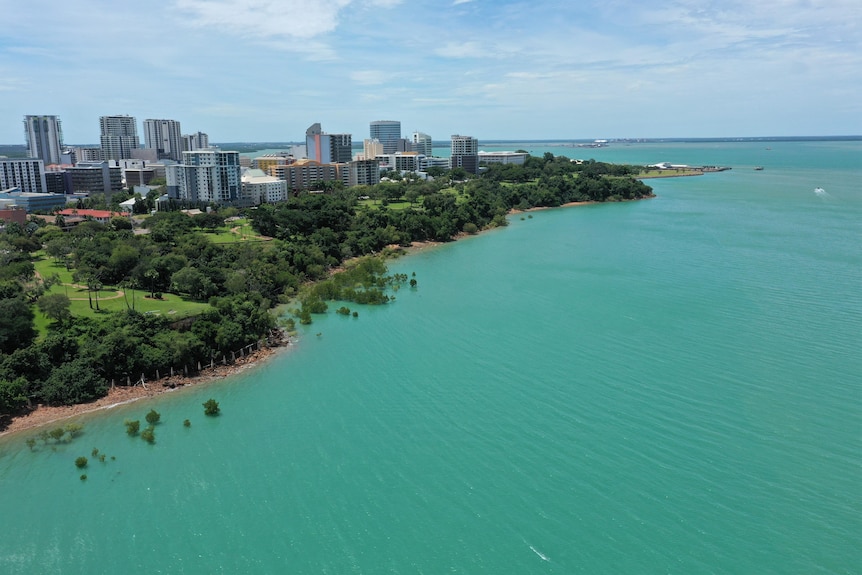
The report found Darwin Harbour rivals the World Heritage-protected Ningaloo Reef for biodiversity. (ABC News: Dane Hirst)
The report also found roughly 529 bony fish species, including barramundi, mangrove jacks, bream and flatheads, were living in the harbour.
“This is comparable to Ningaloo Reef which is home to [roughly] 550 species,” the Environment Centre NT said.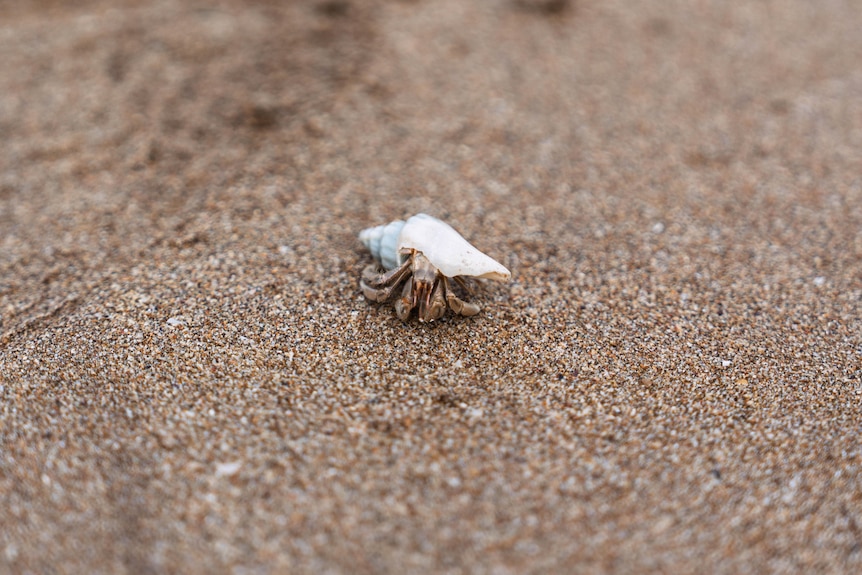
Darwin Harbour is home to a range of unique creatures and plants. (ABC News: Marcus Kennedy)
More than 1,000 species of crustaceans, 71 species of elasmobranchs — including sharks, rays, skates and sawfish, and up to 800 different types of sponges lived in the harbour, the report also found, as well as seven species of dolphins.
Ben Fitzpatrick, a co-author of the report and the director of Oceanwise, said Darwin was “very lucky to have” unique biodiversity that does not exist elsewhere.
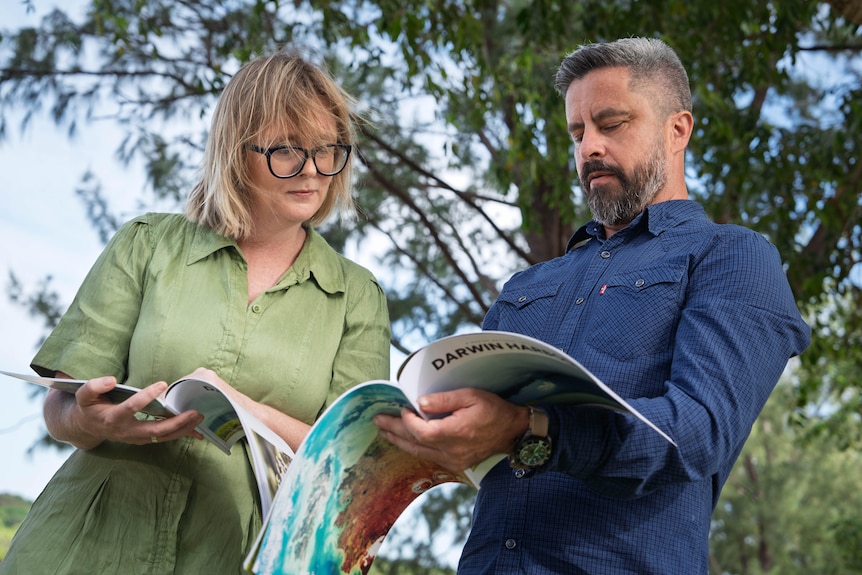
Kirsty Howey, from the Environment Centre NT, and Ben Fitzpatrick hope the report will highlight the importance of the harbour’s biodiversity. (ABC News: Marcus Kennedy)
“Our job as scientists is to make sure the rest of Australia understands what’s here, before it’s too late,” he said.
Dr Fitzpatrick, along with colleagues Kristina Heidrich and Matilda Bishop, teamed up with Larrakia woman Donna Jackson to co-author the report, titled Darwin Harbour: A Marine National Treasure, over about 12 months.
He said a range of research and traditional knowledge had been compiled in the document, which he believed was essential to “illuminate [the harbour’s] importance and inform decision-making”.
Loading…Environmental threats
The Environment Centre NT said local oil and gas leaks, acidic iron ore pollution and leaky US military fuel tanks risked damaging the harbour’s unique ecosystem, while Dr Fitzpatrick said global issues like climate change continued to pose a threat.
“People don’t realise that [the] sea level in Darwin Harbour is rising quicker than anywhere else in Australia,” Dr Fitzpatrick said.
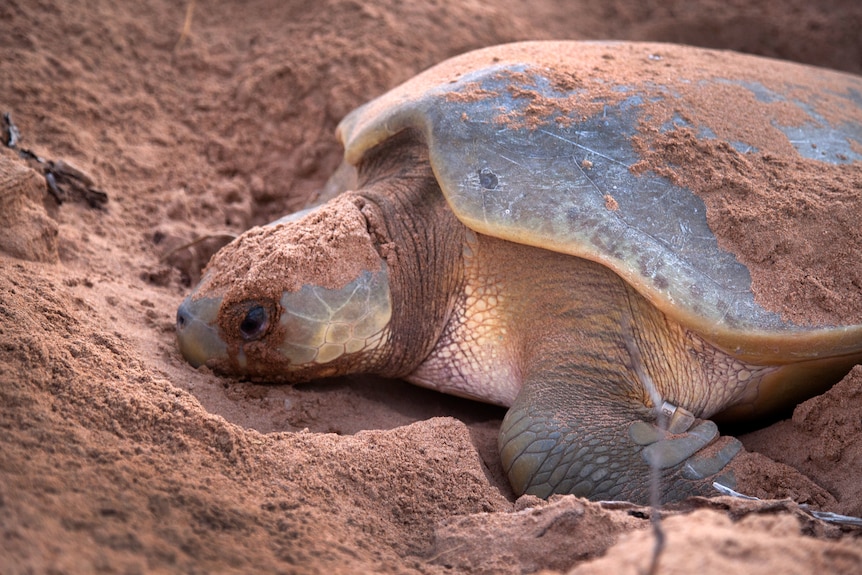
Flatback turtles commonly nest on the shores of Darwin Harbour. (Supplied: Nicholas Goldhurst)
According to Dr Fitzpatrick, Darwin’s annual sea level rise of 0.8 centimetres “has quite dramatic implications for the coastline here”, including pushing salt water further inland.
He called for “some form of protection” to regulate and conserve Darwin Harbour’s “amazing” environment.
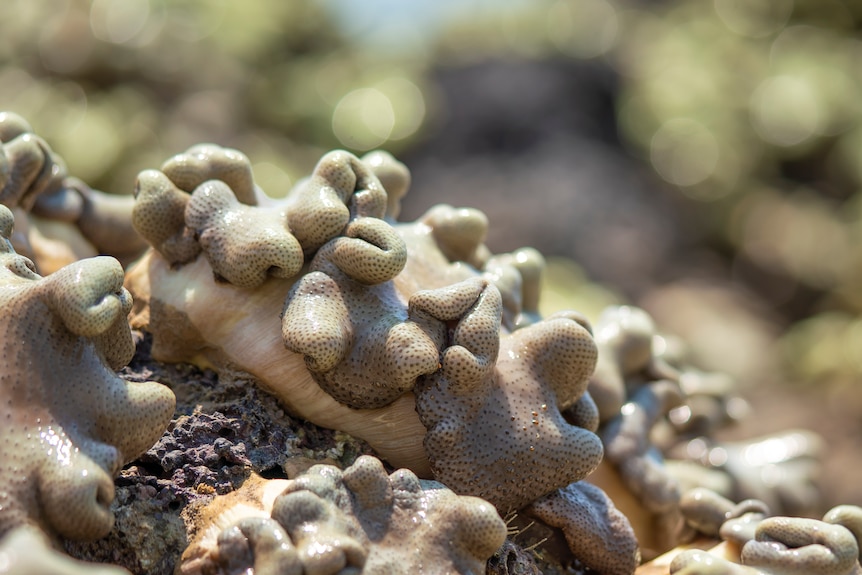
Coral found in Darwin Harbour. (Supplied: Tristan Hooft)
“Darwin Harbour is often overlooked, but it deserves the same recognition and protection as any of Australia’s great reef systems,” Dr Fitzpatrick said.
“It contains a level of marine life found almost nowhere else on earth.
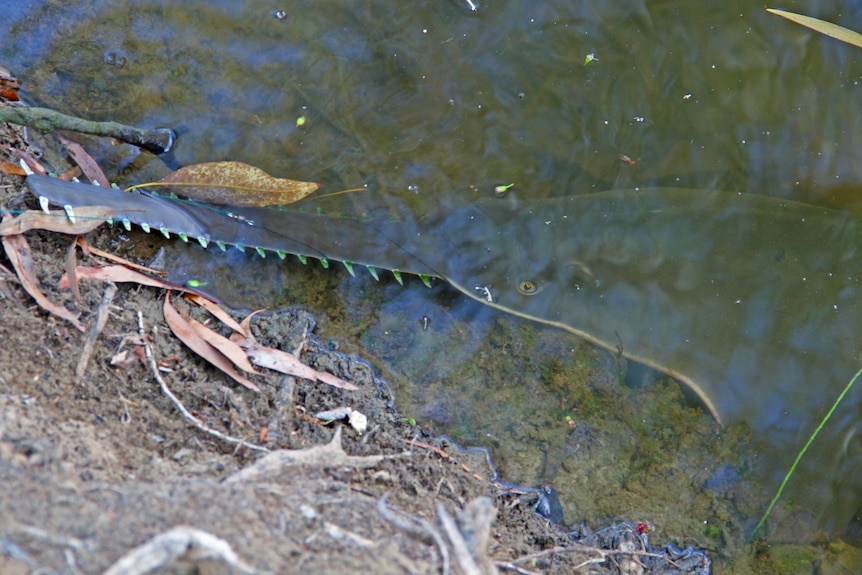
Northern Australia, including Darwin, is home to a number of sawfish species. (Supplied: Sharks and Rays Australia/Barbara Wueringer)
He said recent sightings of manta rays in the harbour was a “testament to the richness of the ecosystem”, saying the animals reflected a productive ecosystem with “a lot of plankton in the water”.
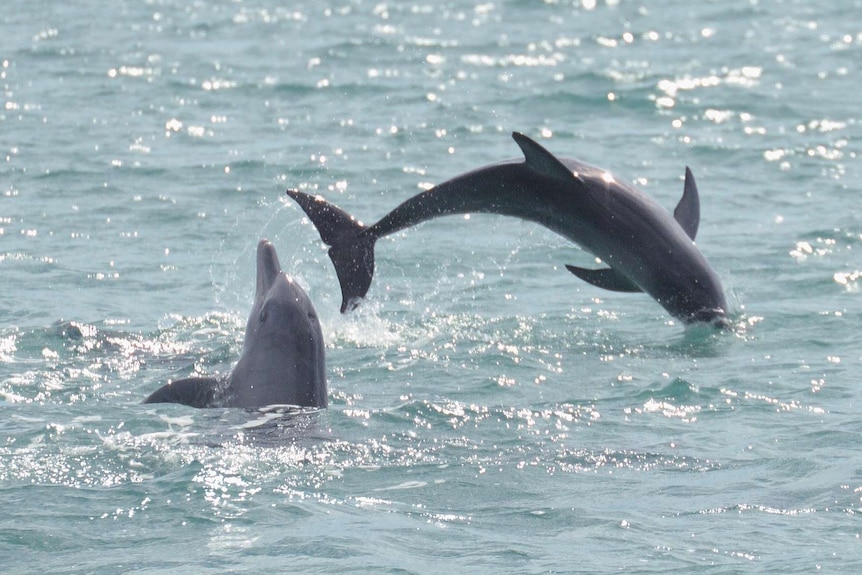
Darwin Harbour is home to seven species of dolphins, including the bottlenose dolphin (Supplied: Carol Palmer)
Mangroves and migratory shorebirds
The report also looked at life above the ocean’s surface, with researchers finding the survival of an enormous number of bird and mangroves species relied on the Darwin Harbour environment thriving.
Environment Centre NT said the report determined the harbour was one of the most “ecologically and biologically important mangrove estuarine ecosystems in the Indo-Pacific region”.
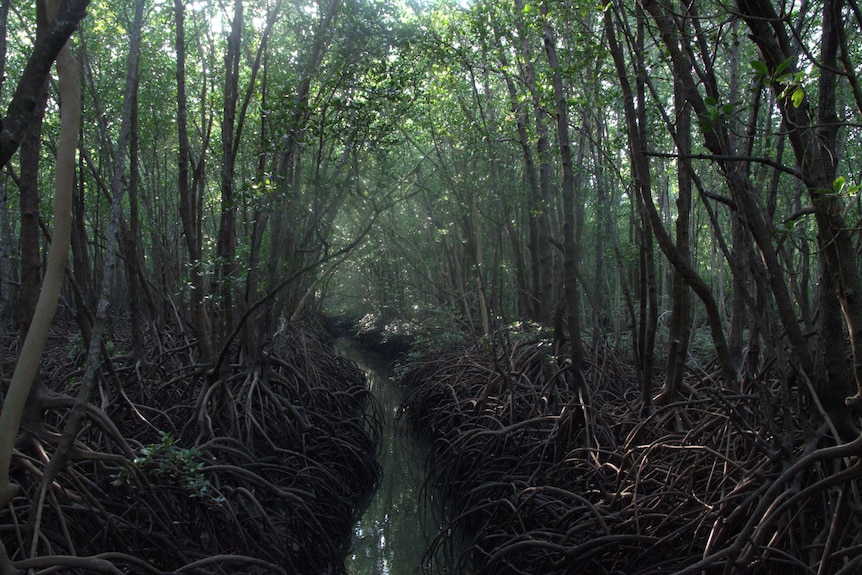
Thirty-six species of mangroves were identified in the Darwin Harbour ecosystem. (Supplied: Jem Wilson)
The environmental group said 36 types of mangroves were identified in the local ecosystem, making Darwin Harbour home to about 55 per cent of the species found across the Indo-Pacific.
“There’s more mangrove species found here than just about anywhere else in Australia,” Dr Fitzpatrick said.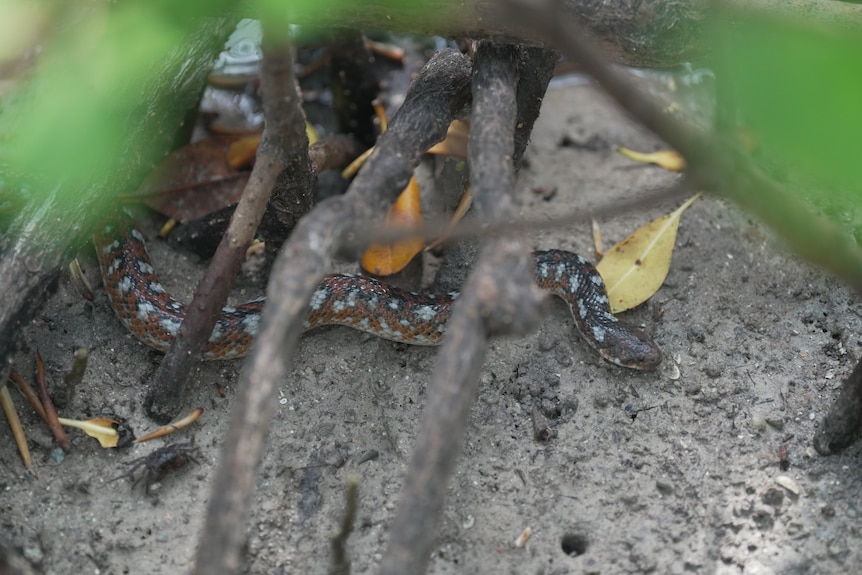
A snake in the mangroves near Darwin Harbour. (ABC News: Dane Hirst)
Shorebird expert and BirdLife Top End co-convenor Amanda Lilleyman said migratory birds relied on Darwin Harbour as a feeding and resting ground during the northern hemisphere’s winter.
“Darwin is an incredible place for migratory shorebirds,” she said.
“Middle Arm — in the super-tidal areas behind the mangroves — we have nationally significant habitat for some of our critically endangered shorebirds.”
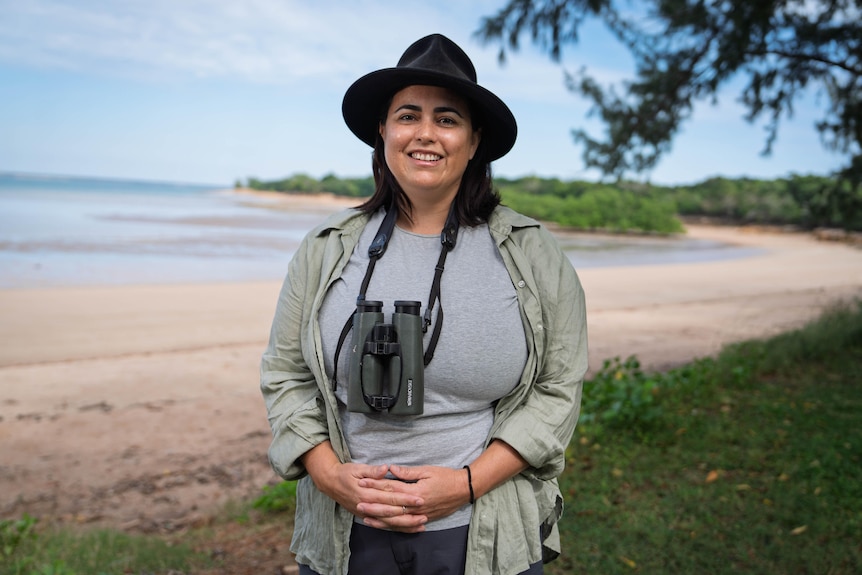
Amanda Lilleyman is a migratory shorebird expert. (ABC News: Marcus Kennedy)
Dr Lilleyman said the report was valuable for noting the biodiversity of the area and that anywhere that humans and wildlife were co-existing required management.
“We’d love to see improved management [of the harbour] so these shorebirds can be protected, so that they can have their feed, have and their rest and still be able to undertake this epic migration in their best condition,” she said.
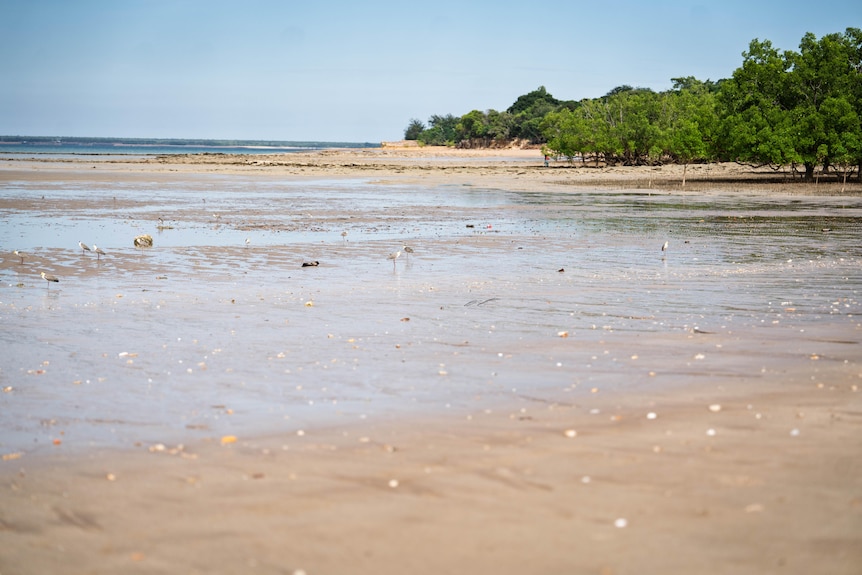
Shorebirds on the shore of the harbour at low tide. (ABC News: Marcus Kennedy)