
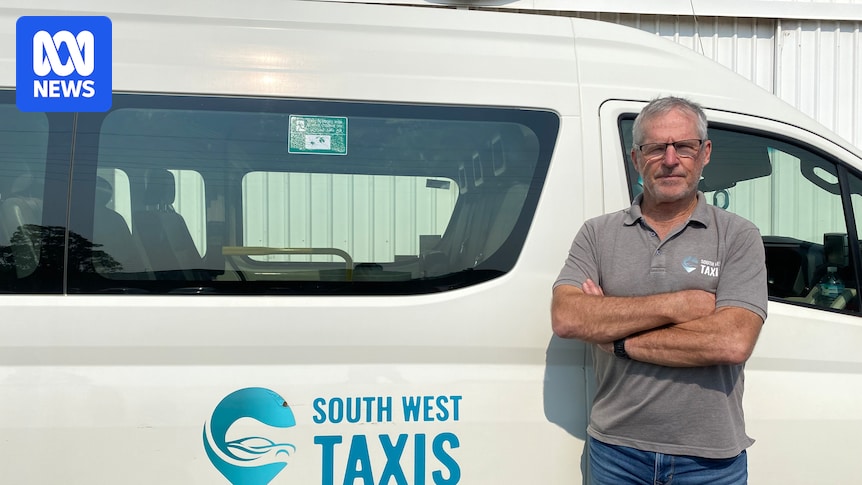
Taxi drivers in regional Western Australia are frustrated that they cannot raise their fares amid soaring fuel costs due to the state’s strict industry regulations.
In recent weeks, fuel prices have climbed significantly across the country due to the conflict in the Middle East, driving up costs for taxi drivers.
Under the Transport (Road Passenger Services) Act 2018, the Department of Transport is responsible for setting taxi meter rates in WA.
Petrol costs unsustainable
While other local business have put up their prices, South West taxi operator Craig Smith-Gander said it was impossible for him to pass the cost on to consumers.
“All of my suppliers, my mechanics, all of those sort of people here in the south, have all increased their prices in the last 12 months,” said Mr Smith-Gander.
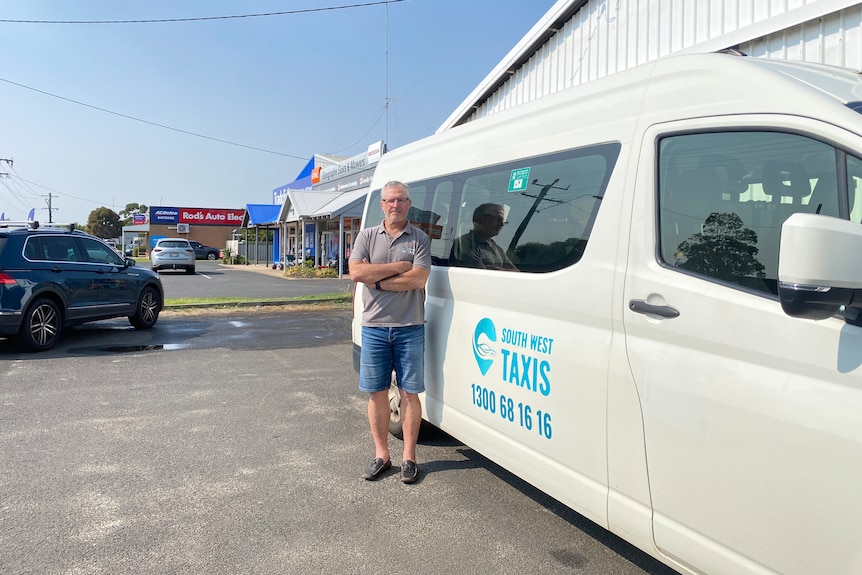
Craig Smith-Gander owns South West Taxis based in Busselton. (Supplied: Craig Smith-Gander)
He said his drivers’ fuel costs had nearly doubled since the start of the fuel crisis more than a month ago.
“Most of our vehicles are either owner-operators or lease taxis, and they’re responsible for the fuel,” he said.
“So that’s the single biggest cost they have, and there’s nothing you can do about increasing your prices.”
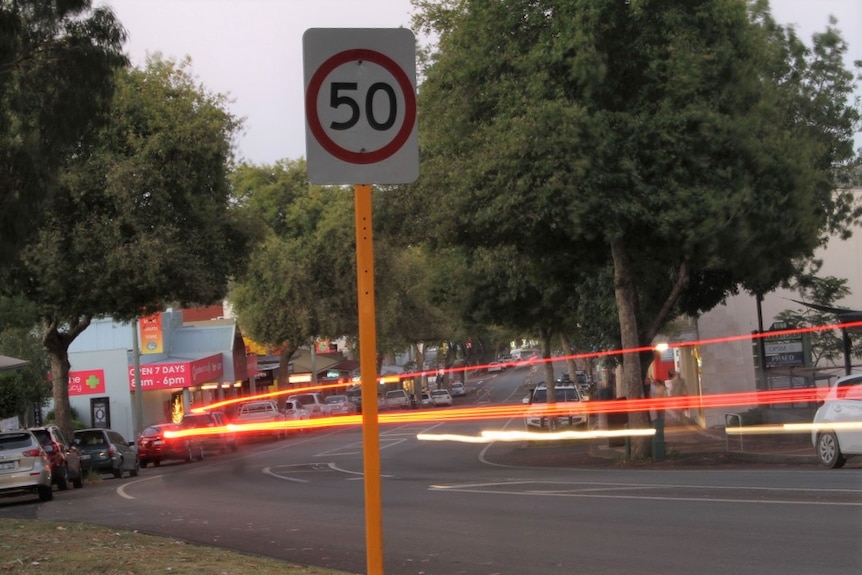
It can already be difficult to get a taxi in places like Margaret River, and there are fears it could become harder if taxi drivers quit. (ABC South West: Anthony Pancia)
Taxi fares are reviewed annually, according to Assistant WA Transport Minister Jessica Stojkovski.
Mr Smith-Gander said many drivers would not be able to wait that long.
“Look, I think there’ll be people who exit our industry,” he said.
He said the withdrawal of taxi services would have an unfair impact on country communities, where public transport was often non-existent.
Disabled, elderly affected
Official taxi services are vital for older and disabled people in smaller country areas, which are not large enough to support ride-share services.
Advocacy WA chief executive Stu Schonell said many people with a disability were reliant on already limited wheelchair taxi services.
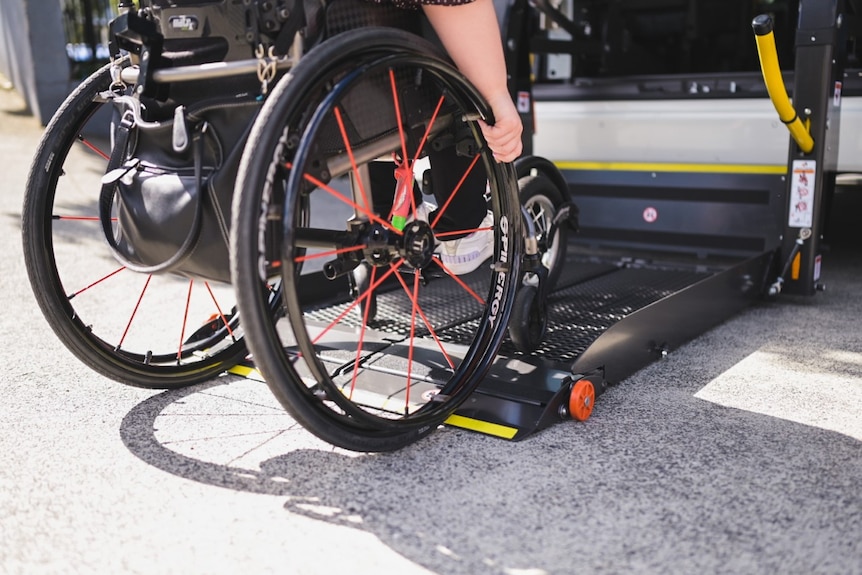
It costs twice as much fuel to run a wheelchair-accessible van compared to other taxis. (ABC News: Alice Pavlovic)
“This has been a problem that we have been bringing up with government for a number of years now, and it’s only going to get worse, with taxi drivers talking about exiting the industry because of the cost of fuel and the fact that they’re losing money,” she said.
“For people with disability, if there is any impact at all, the very little bit of [taxi] service they currently have, it’s going to have a really detrimental impact.”Union calls for action
Tim Dawson, the WA state secretary of the Transport Workers’ Union, said a lack of intervention would have broader impacts on industry.
“To make sure the fares can go up … the government might have to pay a bit extra by subsidising some of the wheelchairs and those types of taxis, but what’s the end result if they don’t?” he said.
“We won’t have a taxi industry, or we might not have trucks delivering food to supermarkets.
“That’s a bigger concern for us than some prices going up.”

Taxis in regional WA provide a critical transport service for people living with disabilities. (ABC News: Andrew O’Connor)
Mr Dawson said he would be reaching out to relevant state ministers today, and hinted the Fair Work Commission could be involved.
Ms Stojkovski acknowledged the pressures of fuel costs on the taxi industry.
“We understand the important role taxi services play in keeping our communities connected, particularly for people who rely on accessible transport,” she said.
“We will continue to work closely with industry to monitor impacts and consider any necessary changes.”Loading…