
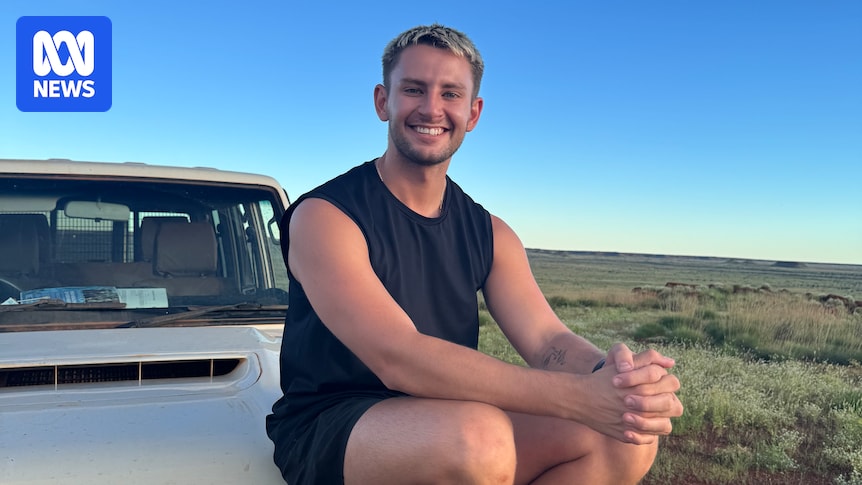
The term “content creator” encompasses a broad spectrum of social media entrepreneurs, from “MumTok” to fashion influencers to “tech bros”.
But Hamish Briggs has taken his penchant for social creativity in a different direction.
He works as a nurse in Western Australia’s northern outback and documents his trips around remote Indigenous communities like Balgo, Bililuna and Bidyadanga, more than 3,000 kilometres north of Perth.
Mr Briggs’s online popularity has come amid workforce shortages in the healthcare sector, according to Rural Health West.
It is something Mr Briggs hopes will change.
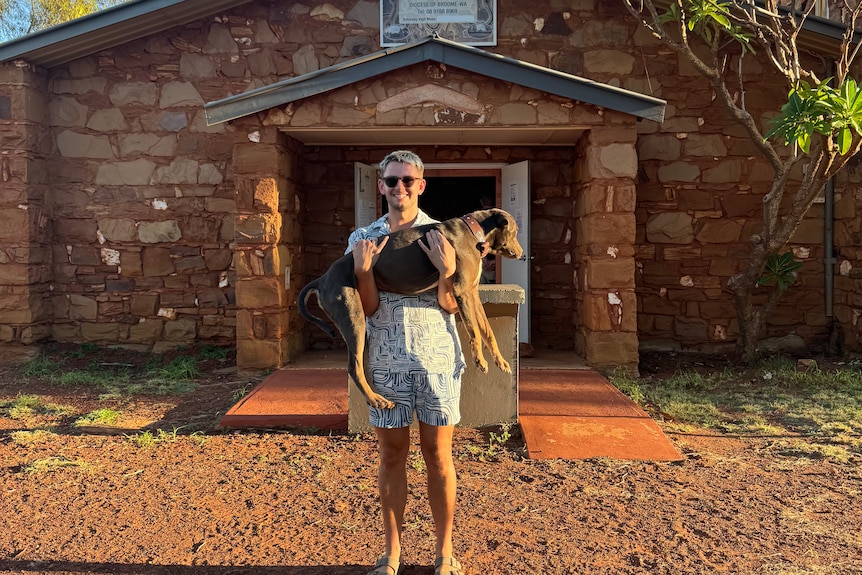
Mr Briggs has worked in communities including Balgo, Bililuna and Bidyadanga in the Kimberley. (Supplied)
“You’re never going to have the bells and whistles like you do in a hospital out remotely,” Mr Briggs said.
“But it teaches you extraordinary skills you’ll never learn anywhere else.
“You can work under immense pressure, and at the end of the day, you always put your patient first and always get it done.”
Growing following
Despite the Kimberley’s population of about 40,000 people, Mr Briggs has more than 100,000 followers on TikTok and nearly 35,000 on Instagram.
“Over the past year and a half, since being remote, it’s grown a lot — just in the last two months being on Facebook, I’m nearly at 20,000 new followers,” he said.
“It’s a different generation of people on Facebook, compared to TikTok and Instagram, it’s your real rough, rugged boomers.”
Facebook is a popular form of social media in remote Indigenous communities, according to Mr Briggs, enabling direct communication.
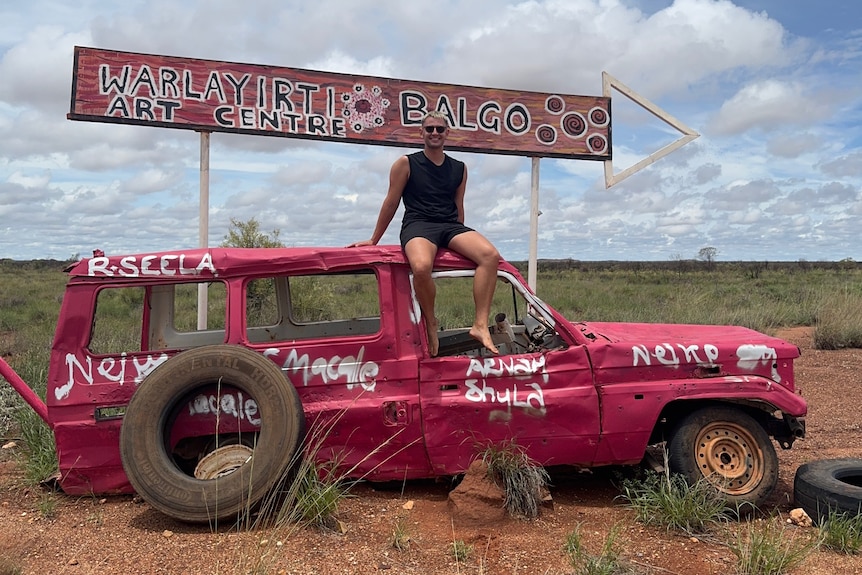
Mr Briggs plans to work in the Northern Territory for a while, before heading back to the Kimberley. (Supplied)
Mr Briggs became a nurse after COVID and used social media to document his time in the outback.
“When I was starting my nursing career, a lot of nurses didn’t want to be nurses anymore; there was a lot of negativity — underpaid, understaffed, overworked,” he said.
“Then I did this video like, ‘Woo hoo, I’m a nurse, day one, living,’ and people were like, ‘Wow, there’s the joy, that is why I started nursing.'”
Then his platform “took off”, and most days since, Mr Briggs has posted “every job, every new skill and every adventure”.
Living remote
Working in a remote Indigenous community pushes people outside their comfort zone, according to Mr Briggs.
He is often functioning as a “primary healthcare service”, with no doctors, limited resources and nurses, and sometimes a 10-hour drive away from the closest town.
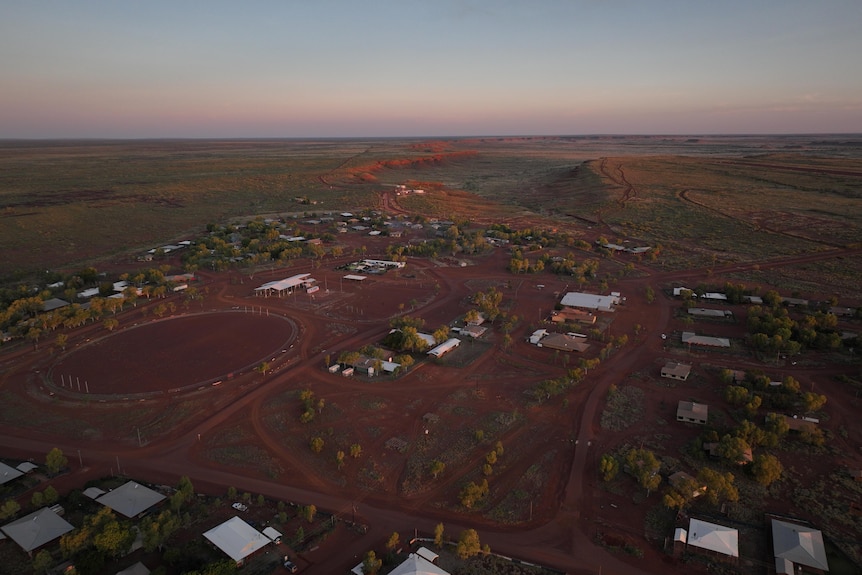
Rural Health West says there is a chronic healthcare workforce shortage in remote WA. (ABC News: Steven Schubert)
“It’s such a big thing when you live in Indigenous-populated towns — this forever-growing healthcare gap,” Mr Briggs said.
Mr Briggs believes social media helps bridge this gap, as communities can see themselves represented online and see the kind of healthcare that will be received.
“Having communities reaching out [online] saying, ‘Please come work in our community, we’d love to show you around,’ has been exceptional,” he said.
Rural Health West’s deputy chief executive, Kelli Porter, said the healthcare gap was not helped by workforce shortages.
The shortages compound burnout for existing workers, through higher patient loads and overtime demands, leading to reduced respite and workforce attrition, according to Ms Porter.
But it is equally as hard to attract new healthcare workers to the regions, Ms Porter said, due to limited infrastructure, affordable housing and childcare.
“The care actually can become quite fragmented, it can be inconsistent because there’s a high turnover of staff or gaps in services … cultural safety is often compromised,” Ms Porter said.
“So chronic conditions, like diabetes, cardiovascular disease, kidney disease, all quite prevalent on country — that continuity of care is missing, and it does impact people and their health outcomes.”
Ms Porter said social media could be a tool in spreading awareness about “excellent career opportunities” and the benefits of working in the outback.
“[What] we find often is people just haven’t had the exposure to country and the opportunities that are there,” she said.
“All forms of media, particularly social media, which is so personable, help reinforce the message and show people what it’s like living and working on country.”