
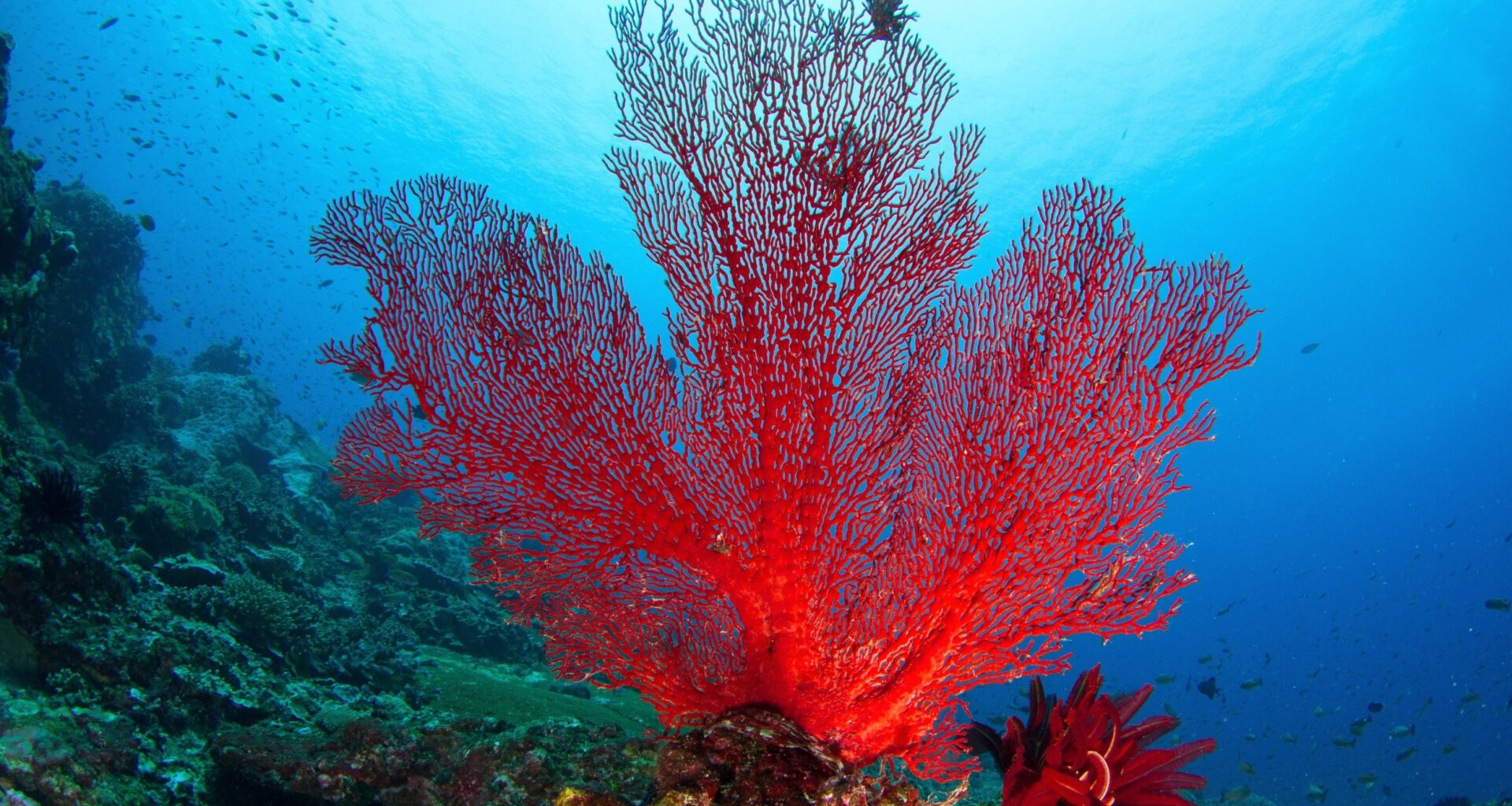
Researchers have uncovered thousands of previously unknown microbes living inside coral reefs, each carrying genetic instructions for making novel chemical compounds.
The discovery reframes reefs as vast, largely unexplored sources of molecules that could reshape medicine and industry, even as those ecosystems rapidly decline.
Hidden residents within the reef

Across dozens of Pacific reefs, coral samples revealed dense communities of microbes living within the animals themselves rather than drifting in surrounding water.
Rebecca Vega Thurber at the University of California, Santa Barbara (UCSB) analyzed the samples. She found that these microbes formed distinct, host-bound populations tied directly to coral life.
Nearly all of the genetic material recovered from those communities had never been recorded before, pointing to an immense reservoir of unseen biological diversity.
That concentration of unknown life within corals suggests the discovery captures only a narrow slice of a much larger chemical landscape still hidden inside reef ecosystems.
The teamwork of microbial alliances
Inside each colony, a living community of microbes -or microbiome – helped move nutrients and blunt disease pressure.
Those resident bacteria made small compounds during metabolism, and some of those compounds likely helped the coral defend itself.
Seawater nearby carried only a fraction of the same species, and their abundance dropped as samples moved farther away.
So corals were not just gathering random microbes, they were maintaining close partnerships that likely shaped their health.
A mysterious genetic frontier
When the team pooled the genomes, they found 16.3 million distinct genes, many with no known function.
About 34 percent were still uncharacterized, a sign that reef microbes carried biochemical instructions absent from better-studied ocean databases.
“There’s a huge treasure trove of genomic potential,” said Thurber. By searching DNA directly, researchers could bypass years of trying to culture difficult microbes and achieve results faster.
Rewriting the search for ocean chemistry
For decades, sponges were the most popular among marine drug hunters, because they already had a reputation for producing unusual and useful chemistry.
After the researchers adjusted for uneven sampling, coral microbes still carried more linked genes that build natural compounds, called biosynthetic gene clusters, than expected.
Measured per species, reef-building corals matched or surpassed sponges, the longtime stars of marine natural product discovery.
As a result, reefs became less of a side target and more of a main source for future searches.
Microbial gathering points
Among the animals tested, fire corals – which are more closely related to jellyfish than typical corals – stood out because they hosted far more microbes in their tissues.
Microscope images backed that up, showing many bacteria-sized cells outside coral cells, where these partners may exchange nutrients or signals.
Nearly 57 percent of all coral-associated genomes came from fire corals, more than stony and soft corals combined.
For that reason, fire corals became an obvious target for the study’s most detailed hunt for unusual chemistry.
Unexpected chemical powerhouses
A standout group came from Acidobacteriota, a bacterial branch found in many environments but rarely explored in corals.
Several newly found lineages from that branch packed in at least 15 molecule-making clusters, enough to flag them as super-producers.
“Ninety percent of what we found had never been found before,” said Thurber.
With most of these bacteria tied to particular hosts, losing said hosts could erase entire chemical lineages at once.
A different way to build molecules
From one of those groups, the team characterized a new enzyme that built thiazole, a sulfur-containing ring found in many drugs.
Rather than using the usual energy-hungry route, this enzyme formed that ring through a different chemistry scientists had not described.
A molecule made by that system also reduced the activity of a human enzyme linked to inflammation by about half at very low concentrations.
Still, that laboratory result only marked a starting point, because useful molecules often fail long before becoming medicines.
Industrial potential beneath the reef
Useful molecules from reef bacteria were not limited to medicine, because the same chemistry can improve industrial products.
Some microbial compounds help cells grow, communicate, or defend themselves, and those traits can be repurposed in manufacturing.
“They can be used for drugs, or for industrial purposes,” said Thurber.
That wide menu included laundry detergents, protein engineering, and concrete additives, all areas where unusual enzymes can change manufacturing.
The race against decline
All of this potential exists within ecosystems already damaged by repeated bleaching events and rising ocean heat.
Live coral cover worldwide has fallen by more than half since the 1950s, and bleaching strips corals of vital partners.
“Coral reefs are doing really badly right now,” said Thurber, warning that entire microbial lineages could vanish with them.
Every reef lost could take undocumented genes, new enzymes, and entire microbial species with it before anyone studies them.
The new genomes recast reef-building corals as rich sources of host-specific chemistry, not just habitat-forming animals in declining seas.
Scientists examined only three coral groups, so the reefs already under stress may still hold far more molecules than this survey revealed.
The study is published in the journal Nature.
—–
Like what you read? Subscribe to our newsletter for engaging articles, exclusive content, and the latest updates.
Check us out on EarthSnap, a free app brought to you by Eric Ralls and Earth.com.
—–