
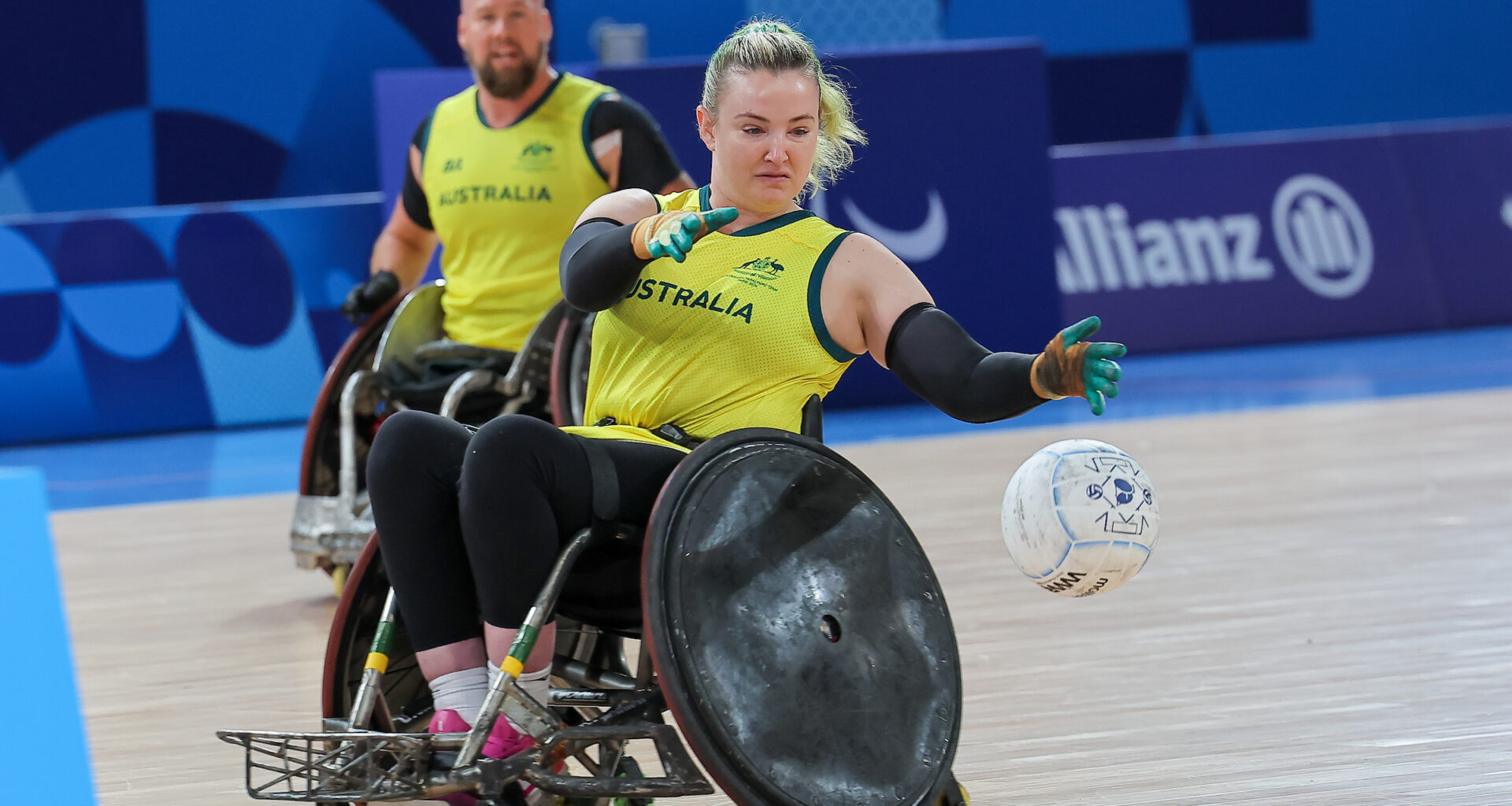
The Australian Steelers enter a new era in Adelaide this week.
The 2026 Wheelchair Rugby World Challenge will offer the first real look at how that shift is taking shape on court, together and in front of a home crowd.
After a period of significant change, it marks the group’s first international outing under acting head coach, Lewis Quinn.
For captain Chris Bond, the defining feature of this new phase is simple.
“Connection,” he said.
“We’ve had some significant change within the program – new coaches, a shift in how we operate – and we’ve really leaned into building our group and getting to know each other.
“It almost feels like we’re starting from scratch in terms of what we want this team to be.”
That sense of connection will sit at the heart of Quinn’s approach as he leads the Steelers into his first international campaign in the role.
“It’s a privilege to step into the role,” Quinn said. “What I’m most looking forward to is seeing the group come together on court again.
“We’ve got genuine depth across the squad and a lot of experience within this group, so I’m excited to see us embrace this first opportunity as we build towards the World Championship later this year.”
At the core of Steelers’ evolving approach is a clear set of values the group is trying to embed.
“We want to be known as a team that is united, accountable and committed to individual and team growth,” Quinn said.
“Those are values driven and owned by the athletes and, if we live them consistently, it will put us in a strong position to perform when it matters.”
That will be at the World Championships in Brazil in August, where the Steelers will go in as reigning champions.
Adelaide will provide the first real test of that identity.
Bond said the focus for now was on clarity rather than outcomes.
“Probably just where we’re at,” he said. “We haven’t competed as this new squad yet, so it’s a chance to test ourselves against strong opposition and get a clearer picture of where we sit in the world.
“I think we’ll probably come away with more questions than answers – but that’s what you want at this stage.”
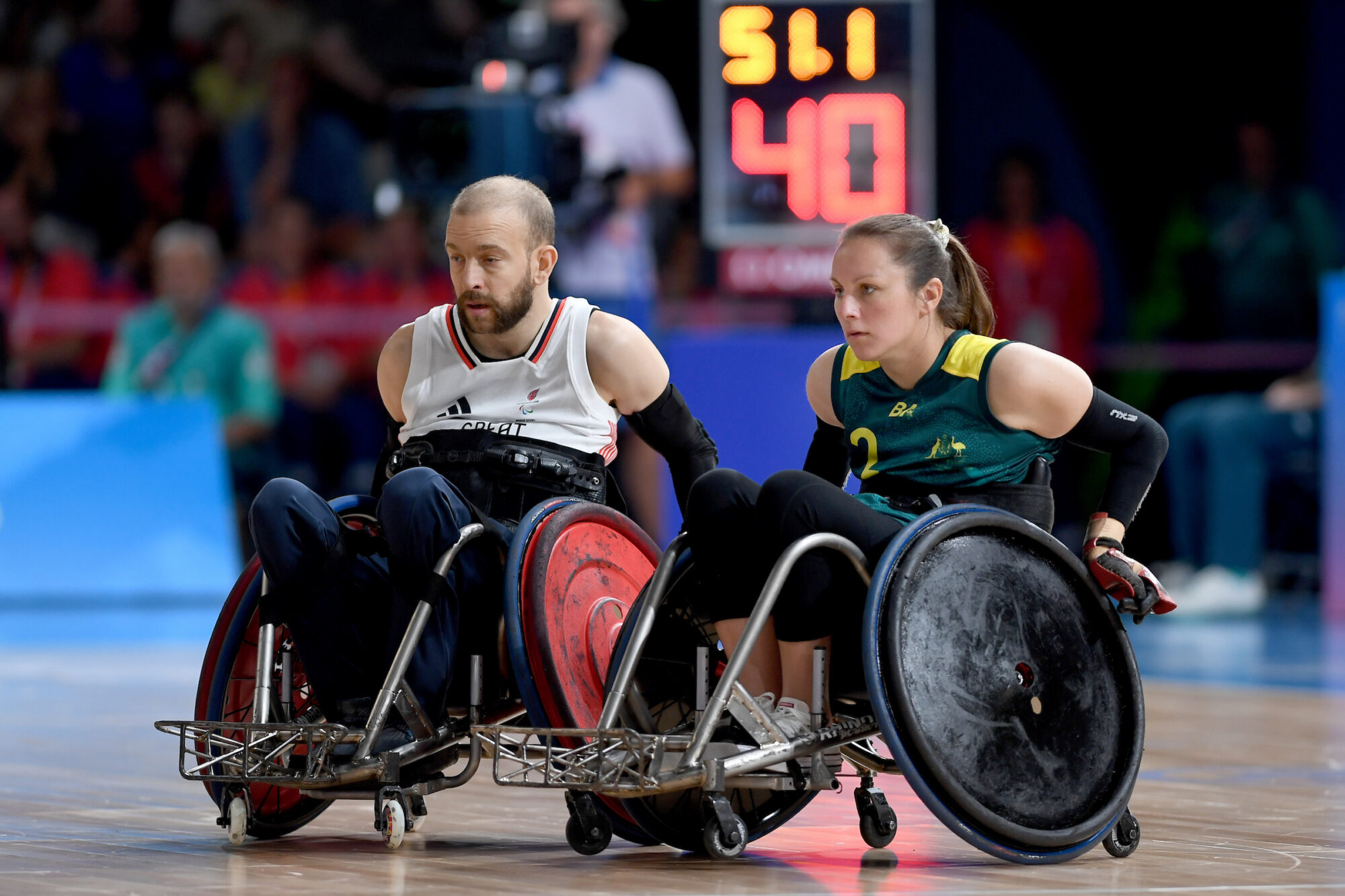
In the five-team draw alongside Germany and 2026 World Championship host nation Brazil, the US and Great Britain will be sure to ask Quinn’s team the most questions at both ends of the court, having featured in the medal rounds at the Paris 2024 Paralympic Games.
Great Britain was defeated by the Steelers in the bronze medal match, while the US fell short in the gold medal match against Japan.
The three nations have a storied past and intense rivalry at major tournaments and the visitors will love nothing more than to upset the Steelers in front of their home fans.
That learning environment is exactly what Quinn is looking for.
“This is the first opportunity to put what we’ve been working on into practice,” he said.
“The main thing we want to understand is how our plans stack up under pressure and whether we can execute them against strong opposition.
“If we can come away from this tournament with clarity around how it feels to play our way, we’ll be in a strong position,” Quinn said.
Former head coach Brad Dubberley’s influence remains deeply embedded in the program after almost two decades at the helm. Many of the Steelers’ systems, standards and tactical approaches formed by Dubberley are still shaping the way the team plays today according to the Australian captain.
While this week marks the first major event since 2006 without Dubberley in charge, the focus within the group is on evolution rather than replacement, building on the foundations that helped establish Australia as one of the leading nations in the sport.
“A lot of the way we play – the systems, the tactics – that’s still part of us,” Bond said.
“We’re not throwing that away. But there’s a new energy around the group and a curiosity about what this next version looks like.”
That next version is also reflected in the composition of the squad, with four female players named in a historic selection that highlights both depth and progression within the program.
“We’re fortunate to have great depth across the squad,” Quinn said. “Those athletes have earned their opportunity.
“It doesn’t change how the team functions – it simply makes us a stronger team.”
Bond said their presence is already influencing the group dynamic.
“They bring a lot to our group, on and off the court,” he said. “There’s a real cultural element there and it opens up different combinations for us in how we play.”
The World Challenge also reflects the sport’s global growth, with emerging nations such as Kenya travelling to Australia for the first time and, for many athletes, their first international competition.
“Seeing nations like Kenya come to Australia is exciting,” Quinn said. “Opportunities like these are incredibly important for the sport and show how strong the future of wheelchair rugby is globally.”
Bond is equally struck by the scale of the event.
“You’ve got international teams, national championships and juniors all in one place,” he said. “It’s a great chance to see where the sport is heading.”
About 2026 Wheelchair Rugby World Challenge
The event will feature more than international wheelchair rugby – with the Australian National Championship and junior division running in parallel to create a true festival of wheelchair rugby in Adelaide.
Fans can experience the action live at the State Basketball Centre at Wayville or tune in across Australia with the tournament broadcast on Foxtel and Kayo Sports.
Tickets for the 2026 Santos Wheelchair Rugby World Challenge are still available, with full event, day and session passes available including dedicated Steelers primetime sessions on Thursday, Friday and Saturday evenings.
Prices start at $11 + booking fees for a child day session, leading up to full event passes for adults at $143 + booking fees.
Tickets to see the Steelers compete in their evening sessions are $38.50 + booking fees for adults. For more information and to secure tickets, visit www.wheelchairrugby.com.au/tickets
By Ashley Gillespie, Paralympics Australia.
Published 21 April, 2026.