
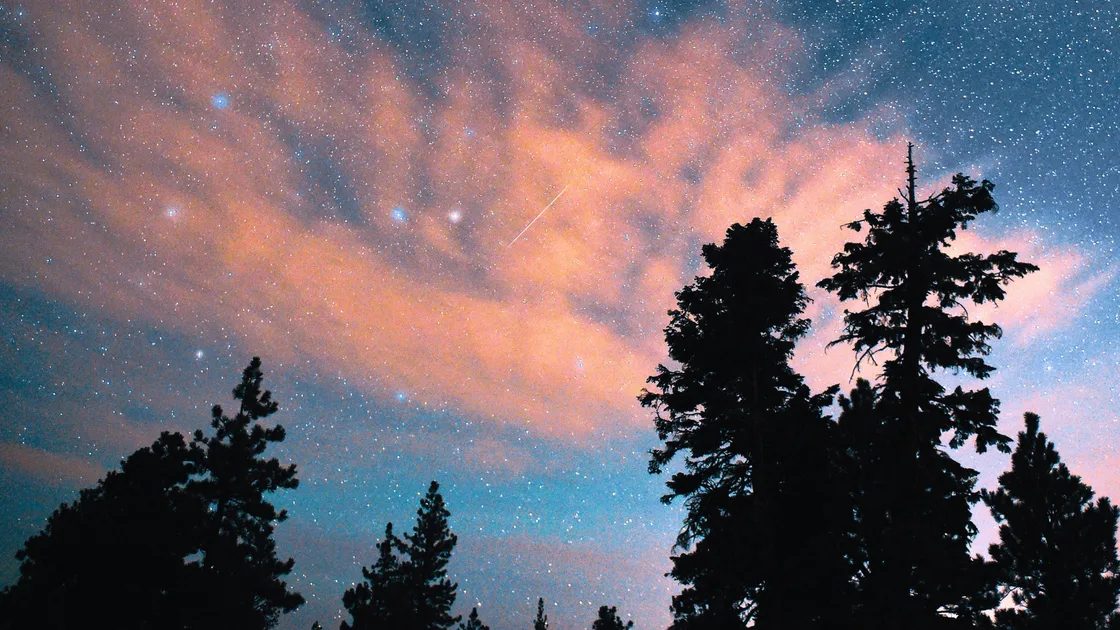
Star gazers, consider this your cue to look up. The Lyrid meteor shower has returned, streaking across Australian skies as part of an already eventful year in the cosmos.
Active from mid to late April, the annual display brings a scatter of fast-moving shooting stars, with its peak set to fall between April 22 and 23.
Previous


Next
At its height, you can expect around 18 meteors per hour. It’s one of the oldest recorded meteor showers and, refreshingly, one of the easiest to spot.
Named after the constellation Lyra, where they appear to originate, the Lyrids are known for their vivid streaks and striking brightness. Here’s everything to know about the 2026 Lyrids.
When To See The Lyrid Meteor Shower In Australia
The Lyrid meteor shower returns each April, with a viewing window that spans roughly two weeks. In 2026, activity runs from April 16 to 25, with the peak expected just after 2am on April 22 and into the early hours of April 23. During this time, observers could see up to 18 meteors per hour at its height, with intermittent flashes visible on the surrounding nights.
If you miss the exact peak, fear not! The Lyrids remain active for several nights on either side, offering plenty of chances to catch a shooting star, provided the skies are dark enough.
For the best viewing conditions, aim for the late-night to pre-dawn hours, when darkness is deepest and meteor activity tends to be most consistent. Visibility improves significantly after 2am, with the best conditions just before dawn as the radiant climbs higher in the sky.
For accurate, up-to-date timings, Time and Date’s interactive sky map lets you track visibility based on your location.
How To See The Lyrid Meteor Shower In Australia
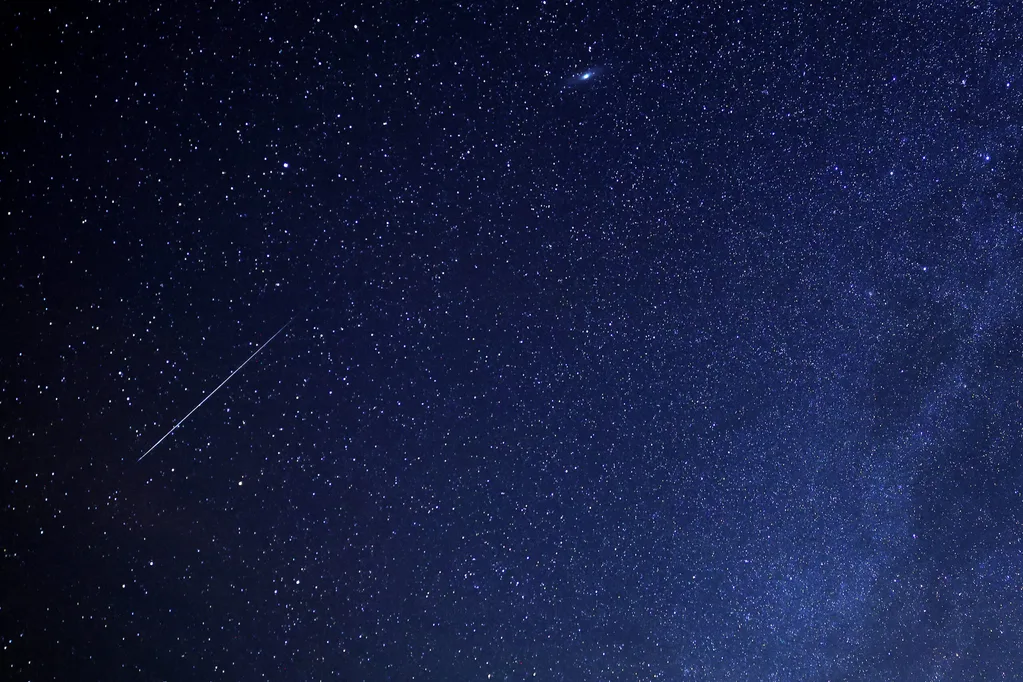 Image: Getty
You don’t need telescopes or technical know-how to watch a meteor shower, just darkness and a little patience. The Lyrids are among the more forgiving displays, but a little preparation goes a long way.
Seek out a darker vantage point away from the city glow and give your eyes time to adjust. As temperatures dip ahead of winter, it’s worth bringing a blanket and a cosy coat.
From there, lie back and take in the sky in its entirety. While the Lyrids radiate from a fixed point, their streaks can appear anywhere, so the real trick is less about chasing them and more about letting them find you.
What Is A Meteor Shower?
A meteor shower is a moment when the night sky briefly becomes more animated, marked by a surge of “shooting stars” streaking overhead. These flashes aren’t stars at all, but tiny fragments of cosmic debris entering Earth’s atmosphere at high speed and burning up on impact.
Most meteor showers begin with comets. As they orbit the Sun, they shed trails of dust and ice. When Earth passes through one of these debris streams, those particles collide with our atmosphere and ignite, creating the bright, fleeting streaks we see from the ground.
The Lyrids, for example, are formed from debris left behind by Comet C/1861 G1 Thatcher. As Earth crosses this trail each April, the fragments disintegrate in the atmosphere, producing the soft scatter of light that defines the shower.
What Do Meteor Showers Mean Astrologically?
Often associated with surges of inspiration and creative clarity, meteor showers are seen as powerful moments to pause, reflect and set intentions. Astrologically, their fleeting, luminous streaks are thought to amplify our thoughts and desires, making them an auspicious time for wish-making or reconnecting with personal goals.
How Each Star Sign May Feel The Shift:
Fire (Aries, Leo, Sagittarius): ignite energy, drive and momentum.
Earth (Taurus, Virgo, Capricorn): support grounded decisions and tangible progress.
Air (Gemini, Libra, Aquarius): spark fresh ideas and encourage connection.
Water (Cancer, Scorpio, Pisces): heighten intuition and deepen emotional insight.
When Is The Next Lyrid Meteor Shower?
While Comet Thatcher takes more than four centuries to orbit the Sun, the Lyrid meteor shower returns to our skies every April, so you won’t have to wait too long for the next display.

Writer
Caitlin Napier
Writer
Sign up for our newsletter
Sign up for the latest news from Marie Claire including offers and discounts we choose to share with you
By joining, you agree to our Privacy Policy & Terms of Use
About your privacy Are Media Pty Limited collects your personal information through this site to process registrations, send out newsletters, communicate offers, discounts, competitions, or surveys, and to provide you with targeted advertising based on your online activities. Our Privacy Policy contains information on how you can access or correct your personal information, which entities we may disclose your personal information to (including overseas recipients), how to opt out of targeted advertising, and how to lodge a complaint.