
Disability advocates caught off guard by the government’s dramatic overhaul of the NDIS say they are gutted by the latest cost cutting measures, as minister Mark Butler defends the plan as critical to securing the scheme’s sustainability.
Yesterday, Mr Butler announced a major overhaul of the NDIS to slash the growth of the scheme and reduce the number of participants from 760,000 to around 600,000 by the end of the decade.
Anxious participants and advocates anticipating big changes held a snap online meeting to support each other on Tuesday night ahead of the minister’s National Press Club address.
But even they were surprised by the scale of what was announced.
“It definitely went further than expected, especially when it came to announcing specific numbers,” People with Disability Australia acting CEO Megan Spindler-Smith said.
“[People are] very anxious, especially those that could be part of the group cut from the scheme and not knowing if they are going to be part of the group.
“People are scared and feel left behind.”
It is not yet clear which participants will make up the roughly 160,000 the government wants to move off the scheme, but it will likely include a chunk from those who will be diverted to the Thriving Kids program, phasing in from October.
The government unveiled plans for standardised assessments of an applicant’s functional capacity to determine whether they would get access to the NDIS at all.
Until now, the central criteria for access to the scheme has been a diagnosis.
The change has similarities to a failed Coalition policy called independent assessments, which was unanimously opposed by the disability community, and which Labor slammed while in opposition.
In an interview with the ABC, Mr Butler said the design of the assessments would begin “over coming months” but would not take effect before 2028.
He said he did not want to compare the change to “any previous policy”.
“This … will be the subject of work with the sector and states and territories, rather than just dropping out as a thought bubble,” Mr Butler said.
“We’ve got to the position 13 years on from the beginning of the scheme … where the diagnosis gateway, the access list that was supposed to allow the scheme to get up and running, have done their time.”
An independent review that wrapped up in 2023 recommended access to the scheme hinge on need rather than diagnosis.
‘These are not optional extras’
Mr Butler also flagged the government would limit the cost of social and community participation supports, which includes the funding of carers to take participants to things like doctor’s appointments and the supermarket.
This category accounted for 23.6 per cent of all NDIS payments made in 2025.
The government expects its changes to bring the average spend on that category down from $31,000 to about $26,000.
George Taleporos, the independent chair of Every Australian Counts, which was at the forefront of the campaign to set up the scheme, said participants were “seriously concerned” by cuts to social and community participation.
“These supports are not optional extras. They are often what make it possible for people to leave the house, build relationships, participate in community life, and live an ordinary life,” he said.
“Cutting them back will deepen the social isolation we are already experiencing.”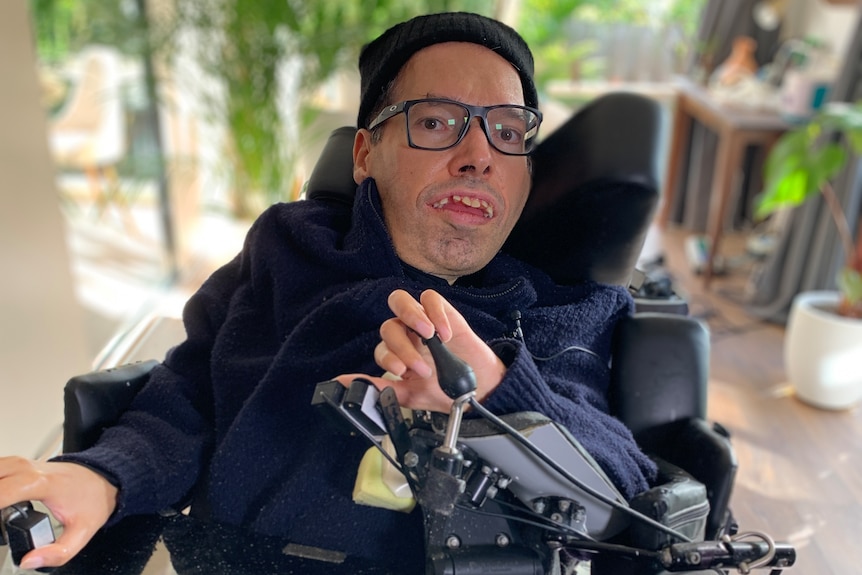
George Taleporos is among the advocates worried about the cuts to social and community participation supports. (ABC News: Patrick Stone)
Mr Butler told the ABC the government still saw social and community participation supports as important, but the financial forecasts for that stream of funding was “completely unsustainable”.
“There are some very serious questions over the way in which that market operates,” he said.
He said the introduction of the $200 million “Inclusive Communities Fund” would scale up the ability of community organisations to provide similar services for cheaper.
‘Long overdue’ provider changes
The government announced a series of changes around service providers funded by the scheme, including enrolling them in a digital payment system to ensure money paid to them could be better tracked.
Another change was the expansion of mandatory registration to any service provider engaged in high-risk activities, meaning those who support participants with personal care such as showering will have to formally sign up to bill the scheme.
Of the 276,581 active NDIS service providers in the December 2025 quarter, just 6 per cent were registered (16,762) and visible to the scheme watchdog.
Michael Perusco, CEO of National Disability Services, the peak body for providers, welcomed the “long overdue” changes.
“There is a lot of detail to be worked through, but we are encouraged the government made it clear they will consult on the way forward,” he said.
“For too long we’ve seen the wrong providers thriving and the exploitation of people with disability.”
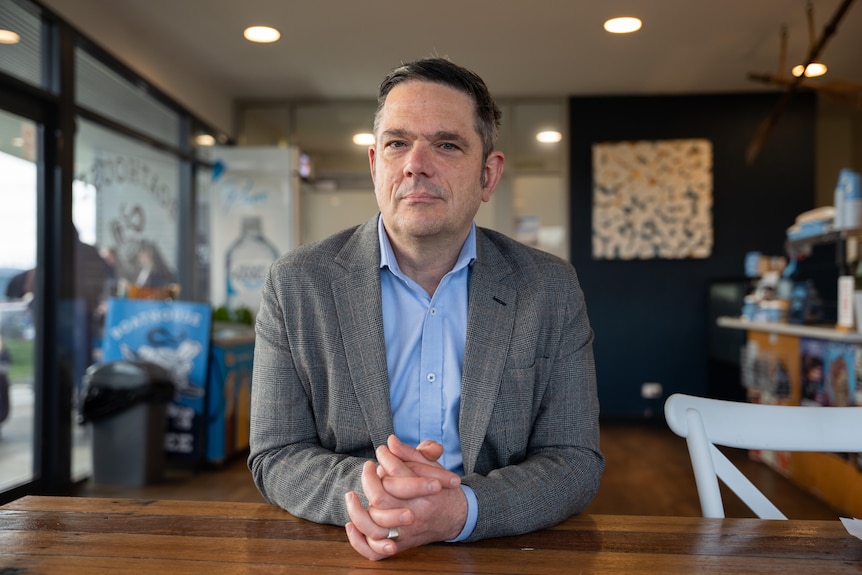
Michael Perusco has welcomed the new provider changes. (ABC News: Ashleigh Barraclough)
The government will also build a list of “accountable” and “quality” providers for Supported Independent Living, support coordination and plan management, starting in 2027.
Mr Butler said that would give taxpayers and participants confidence their money was going to quality providers.
While the wider crackdown on unregistered providers will give authorities greater oversight of who is operating in the scheme and weed out bad actors, many in the disability community do not fully support the idea.
They say restricting their ability to choose who supports them — including in intimate tasks — runs counter to the concepts of choice and control that the NDIS was founded on.
Dr Taleporos said the expansion of mandatory registration was “deeply alarming” for those who relied on unregistered providers.
“If it goes ahead, it must include a self-directed registration category … without it, the government risks destroying the trusted, and essential individualised support arrangements that make our lives possible.”
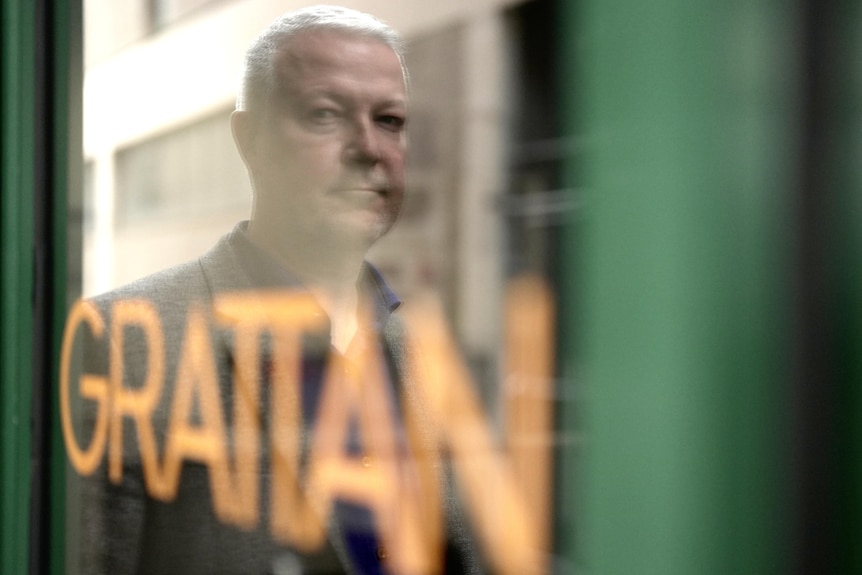
Sam Bennett says balancing the NDIS’s finances with participant needs will be tricky. (ABC News: Patrick Stone)
Sam Bennett, the disability program director at the Grattan Institute, said the suite of changes announced yesterday was “the biggest package of reform that the NDIS has ever seen”.
“The big question though is whether the fixes that are proposed are the right ones and whether some of the short-term measures to moderate growth are going to do that in a way that doesn’t diminish the scheme for the people that rely on it today,” he said.