
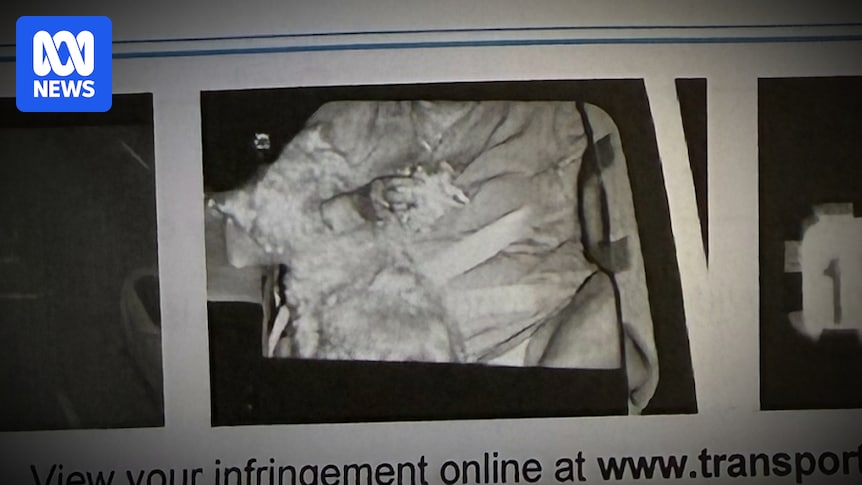
An extra $440 million in traffic fines are expected to be paid by Western Australians over the next four years, largely as a result of controversial AI-assisted safety cameras.
About 184,000 infringements caught by the cameras have been handed out since they started issuing fines in October last year, according to the government.
But Road Safety Minister Reece Whitby said there had been a 50 per cent reduction in the rate at which fines were being handed out.
Looking at the longer period between now and when the cameras first started issuing cautions in April 2025, he said there had been an 80 per cent reduction in offending.
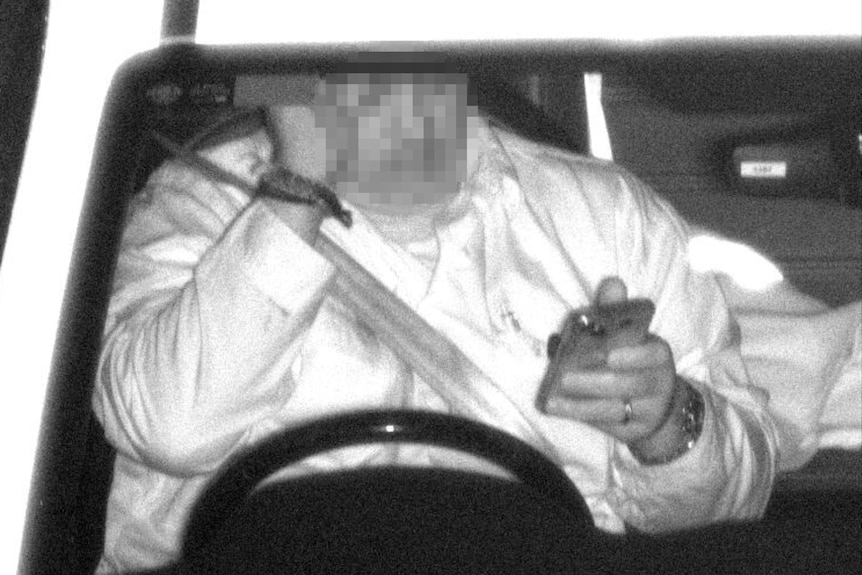
A person holding a phone, taken by a new smart traffic camera in WA. (Supplied: Road Safety Commission)
Mr Whitby said over the longer period, the most common infringement was drivers using their phones, followed by seatbelt offences.
But he said since fines started being sent to drivers, speeding has been the most common offence, followed by phone use and then seatbelts.
“That tells me … that these laws and these new safety cameras are working,” Mr Whitby said.
“Massive change [in] behaviour, massive reduction in offending and lives saved.”
Drivers’ outcry
There has been vocal outcry against the cameras, including from drivers who were not aware passengers had removed their seatbelt mid-journey.
‘Grossly unfair’: Grandad fights AI seatbelt fines after daughter penalised
Some drivers had also been caught multiple times before receiving their first fine and said they did not have a chance to change their behaviour.
Mr Whitby said people were having fines waived in the latter case, but that it was not possible to automate that process.
“So I urge people to let us know, and as a policy, those subsequent fines will be waived,” he said.
Overall, drivers had asked for 3.75 per cent of all fines to be reviewed.
More than half of those related to seatbelt offences.
Fund boost driven by fines
As the government celebrates the reduction in offending, its Road Trauma Trust Account is expected to receive a healthy boost over the years ahead from increased fines.
Treasurer Rita Saffioti said next month’s budget would include an extra $339.9 million in road safety initiatives across infrastructure, education and enforcement.
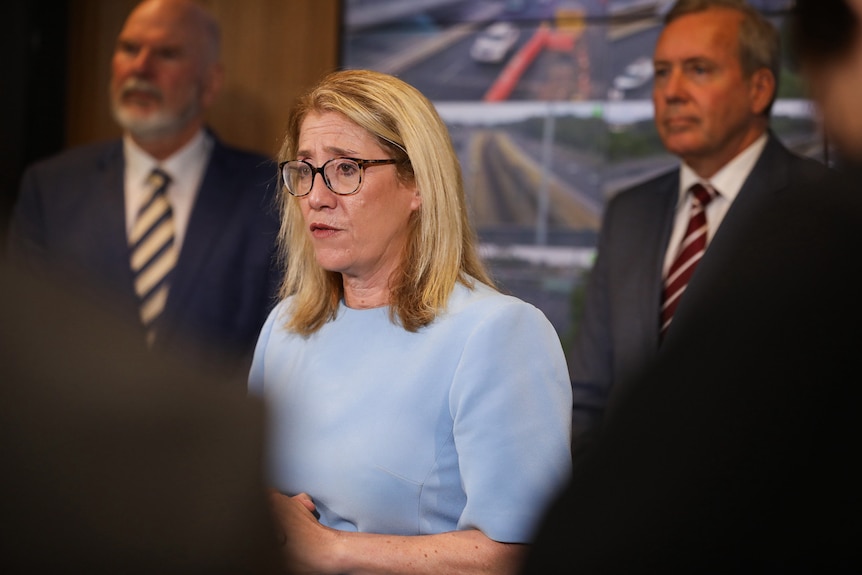
Rita Saffioti says the state budget will include an extra $339.9 million in road safety initiaitves. (ABC News: Keane Bourke)
That includes $8.9 million to fund better support for students riding or walking to school and $22.2 million for enforcement operations.
Around $20.6 million has also been allocated for rising costs “across existing road safety initiatives”.
The opposition’s road safety spokesperson Julie Freeman said the $440m windfall meant the government had no excuse for not reducing the road toll.
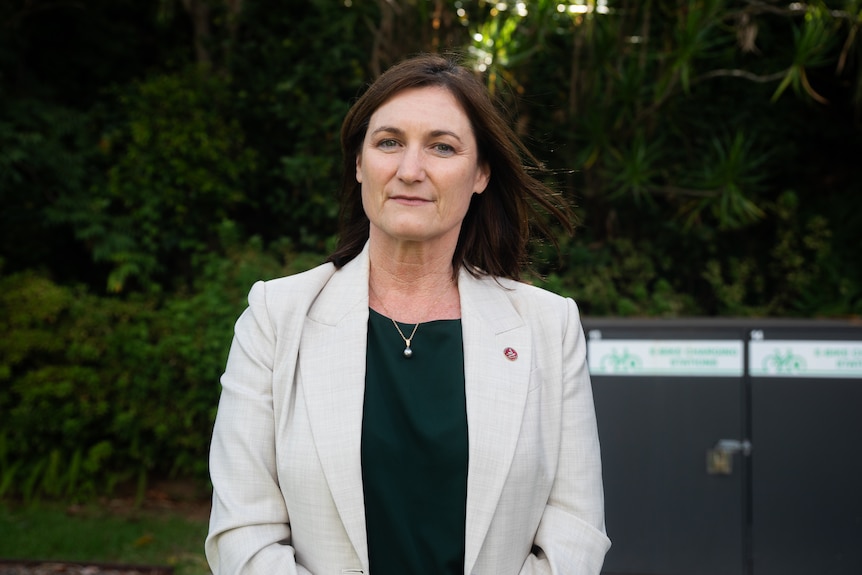
Julie Freeman says the $440 million should be used to reduce the road toll. (ABC News: Keane Bourke)
“I don’t want to see that fund being used for bureaucracy, or for think tanks, or for topping up overspends or bad decisions,” she said.
“I want to see it used to really drill down on the people who are most at risk and put in place strategies to help them.”
Fines withdrawn as AI road safety camera controversy continues
Ms Freeman said the government’s announcements would do little to address high-risk groups like men, people aged between 30 and 60 and those living in the regions.
The Nationals MP said she did believe the AI-assisted road safety cameras were working to change people’s behaviour but questioned where they were being placed.
“There are more AI cameras in the city than there are in the regions, and, of course, where are the bulk of our fatalities happening? Out of the regions,” Ms Freeman said.
“So I think there’s some lessons to be learned about where to deploy them, to get the maximum benefit.”
Four cameras are based in Perth, with two each in the Great Southern and Mid-West.