
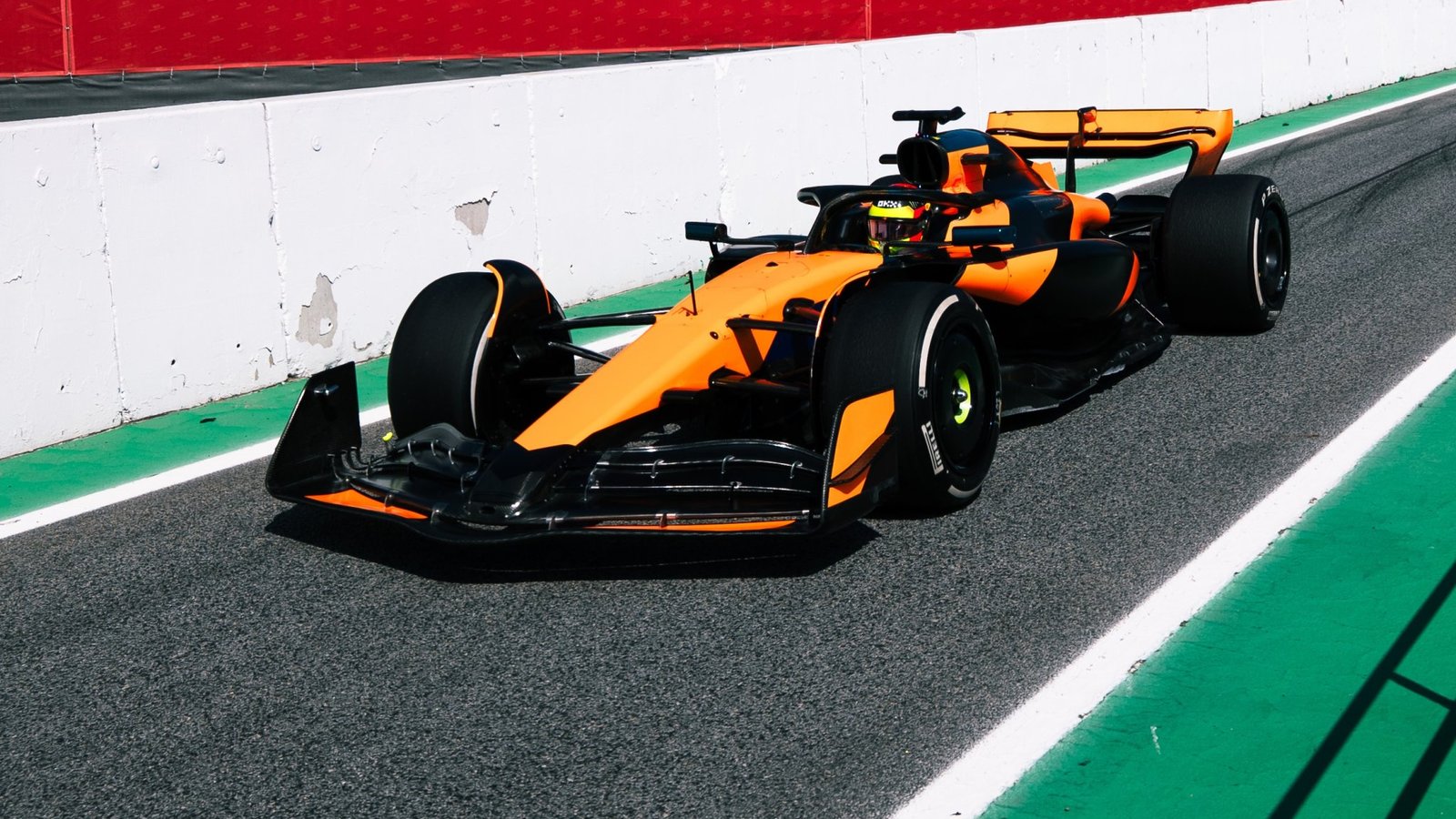
Formula 1 teams are always on the lookout for the next best thing.
Max Verstappen’s meteoric rise to prominence from 17-year-old rookie to multiple world champion was a game-changer for F1 teams, who are seeking to secure a high-potential superstar of their own.
That was showcased in Mercedes’ decision to rapidly fast-track Kimi Antonelli into an F1 race seat for 2025 after just a single season in Formula 2. Having missed out on Verstappen in the past, Mercedes boss Toto Wolff was determined to avoid a repeat and sure-up the long-term future of his team.
Almost immediate success for the likes of Verstappen, Antonelli, George Russell, Ollie Bearman and reigning world champion Lando Norris has given teams more faith than ever before to place their trust in young drivers.
Despite boasting two of the hottest prospects on the F1 grid in Norris and Oscar Piastri, that hasn’t stopped McLaren hunting for the next star of the future.
Article continues below ADVERTISEMENT
Article continues below ADVERTISEMENT
After all, McLaren was the original trend-setter, having signed a 13-year-old Lewis Hamilton to its driver development programme in 1998 and eventually handing him his F1 debut aged 22 in 2007. Norris also came through McLaren’s programme, joining when he was 17.
“We are building our future everyday and drivers are maybe the most important asset for a racing team like McLaren,” chief business affairs officer Alessandro Alunni Bravi told media including Crash.net.
“We have in the past shown that we nurtured talent. We have created our team’s talent pipeline, starting with Lewis Hamilton. We have given the opportunity to many drivers to be in Formula 1 for the first time, like Lando Norris.
“It is part of our DNA to work with young talents to create the right opportunities and provide them with the right tools to develop. This is why we call it the driver development programme, because our work is to develop their skill and to support them.”
What are F1 teams looking for?
So, what exactly are F1 teams looking for when they sign young drivers to their respective development programmes?
Article continues below ADVERTISEMENT
Article continues below ADVERTISEMENT
“First and foremost, the obvious thing, the speed has to be there. Without the raw speed we’re not going anywhere very fast,” said McLaren head of driver development Warren Hughes.
“But that’s obviously only one element. You see it in a lot of the very good drivers, they are very adaptable in different conditions. Put them in new situations, a new category, and you notice the adaptation very quickly, in rainy conditions and stuff like that.
“The normal things are very easy to see, it’s that transition into something new that really stands out. Also the ability to self-reflect is a massive part of being a good driver. Having a good racing brain, being intelligent, being able to self-analyse and be humble and always be willing to learn.”
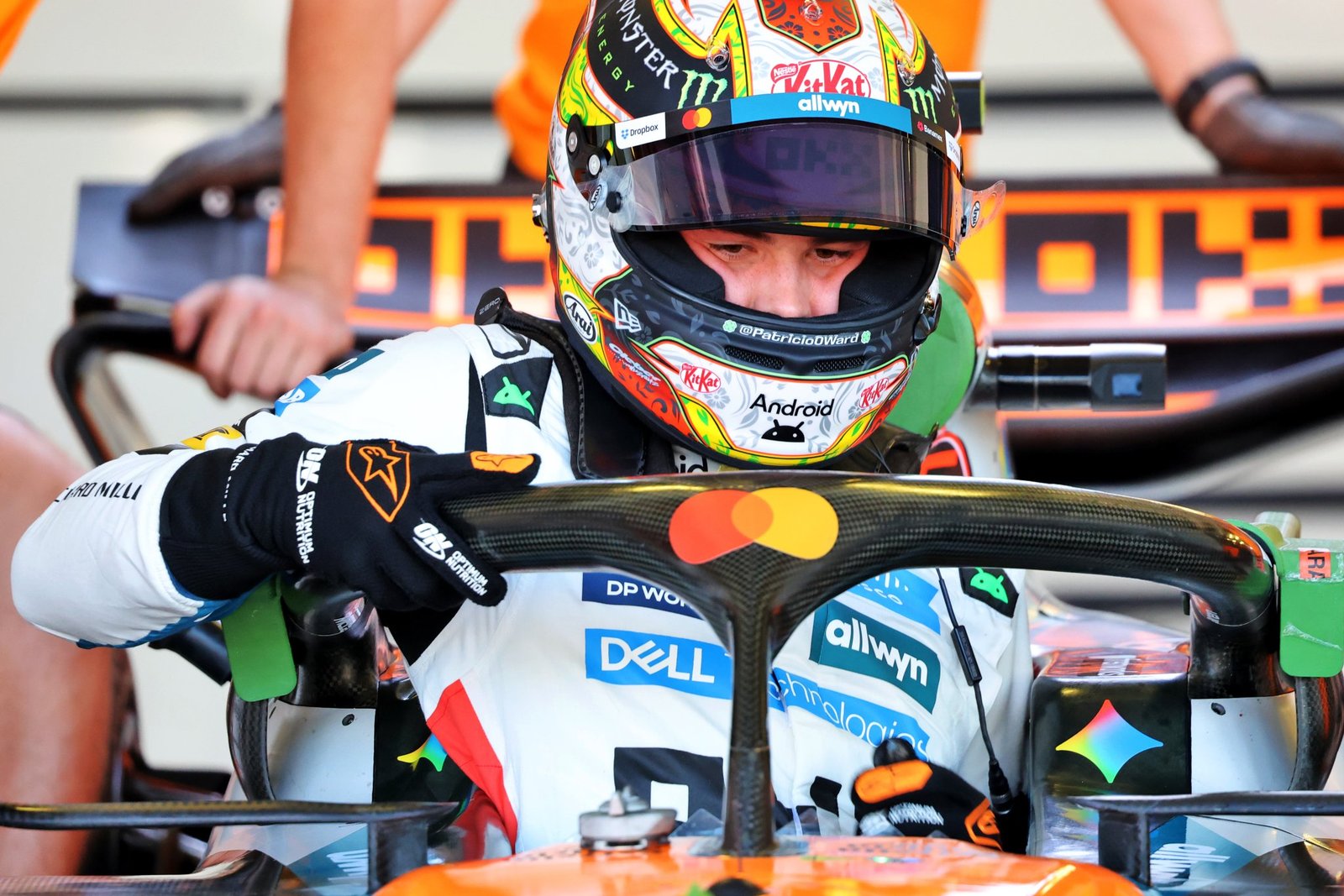
IndyCar star Pato O’Ward has had several F1 practice outings
What support is offered?
McLaren provides its development drivers with a range of support at its state-of-the-art facilities in Woking.
Article continues below ADVERTISEMENT
Article continues below ADVERTISEMENT
This includes time on the simulator, psychical assessments and training guidance at the McLaren Performance Hub, as well as offering mental wellbeing support.
McLaren ensures its young drivers are working close to the F1 team and they often get the chance to speak with engineers and the race drivers during their time on campus.
McLaren is about to open a brand new simulator dedicated to its driver development programme, with the first sessions scheduled to happen in the next week. Hughes describes this as a “massive tool” to help with McLaren’s evaluations.
Talent is spotted from an early age and nurtured through various levels of European and World karting championships, before progressing to single-seaters. Financial support, often the main barrier to success for many young drivers, can also be provided.
“They come on the radar through various outlets,” Hughes explained. “All of us, including Zak [Brown, McLaren Racing CEO], are very well connected with paddocks across the world, so we get a lot of input and intelligence as to whether it’s worth keeping an eye on people.
Article continues below ADVERTISEMENT
Article continues below ADVERTISEMENT
“They have to be operating on the radar, so a high credibility European or World Championship level karting is a very good platform to assess somebody initially. Still even in karting you’ve got to take into account the quality of teams and the equipment, it’s such a factor in karting and the funding that the drivers have got available at that stage is a huge factor.
“Really once you’ve made that assessment, probably over a number of years, it’s a case of bringing them in. There can be financial support for the right situation.
“It’s bringing them into the McLaren culture, getting them familiar with the environment, getting them familiar with the other drivers already on the programme and then with our partner teams, starting at F4 level, starting a test programme really to see what the dynamic is. We’re very careful with that.
“When you transition from karting to cars to F4, there’s no replacing mileage. We can supplement with simulator work, coaching, physical work, but you can’t replace seat time. F4 is a great proving ground for that. That’s the journey.”
McLaren’s historic signing 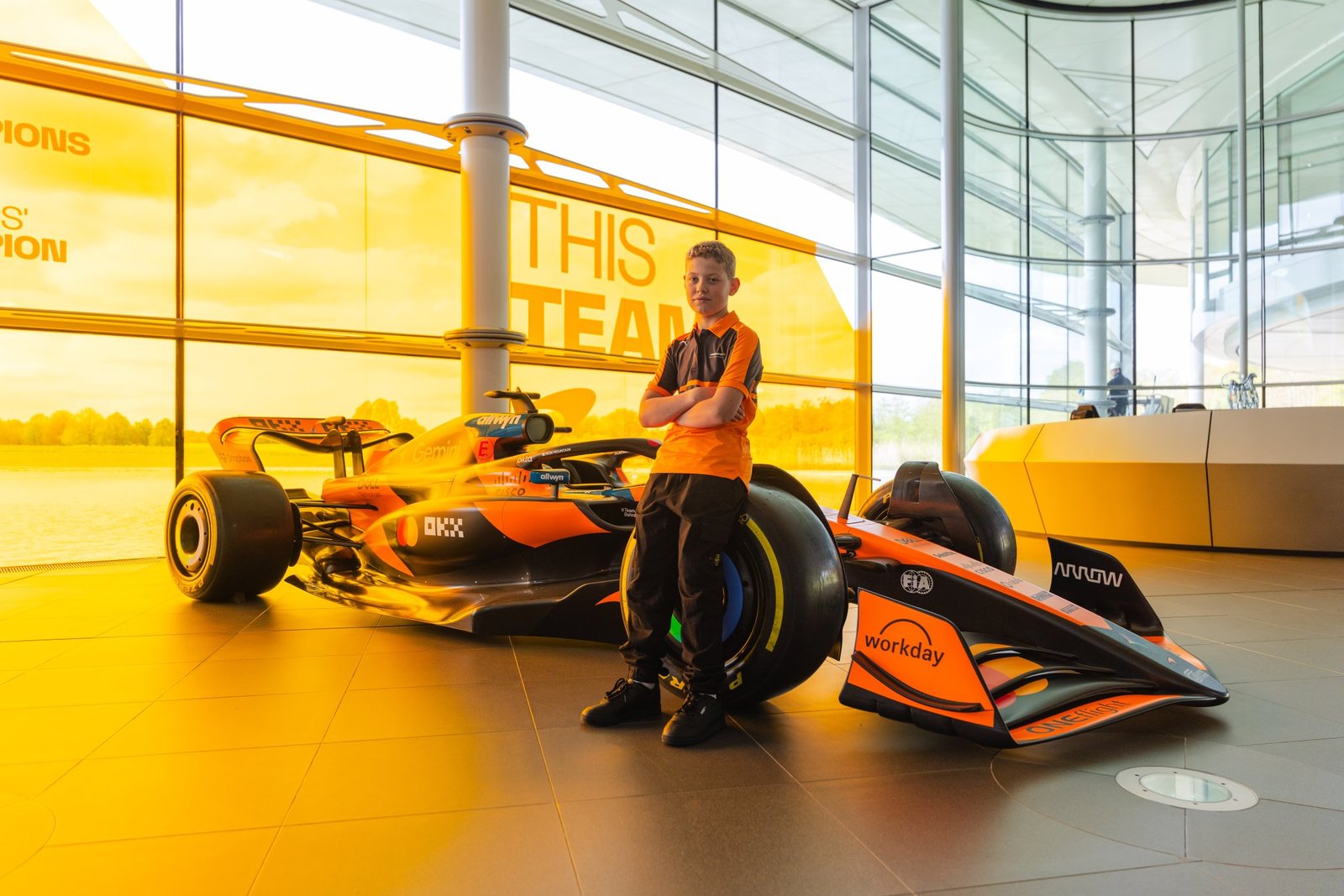
Harry Williams is McLaren’s youngest-ever driver
Article continues below ADVERTISEMENT
Article continues below ADVERTISEMENT
McLaren has just made 11-year-old Harry Williams its youngest-ever signing. The British karting sensation is two years younger than seven-time world champion Hamilton was when he joined the team in 1998.
Williams joins a growing roster of drivers including reigning Formula 2 champion Leonardo Fornaroli, IndyCar race winner Pato O’Ward, Richard Verschoor, Christian Costoya, Matteo De Palo, Ella Häkkinen, Ella Lloyd, Ella Stevens, and Dries Van Langendonck.
Wary of Williams’ tender age, McLaren is keen to avoid applying unnecessary pressure and expectation on his shoulders.
“The work of the programme is to look at the long-term, not just the next two or three years’ time and this is what we are trying to do,” Bravi said. “We are looking at the next generation, always having a gap between our drivers.
“Our goal is to build a consistent pipeline, laddering into our race programmes in F1, IndyCar and the World Endurance Championship for many years to come, and adding Harry as a talented young karter demonstrates this.
Article continues below ADVERTISEMENT
Article continues below ADVERTISEMENT
“For this driver, I think there is no target, no pressure other than to enjoy karting to get maximum experience, but also to understand what does it mean to be a McLaren driver.”
Subscribe to our F1 Newsletter