
When Erin Nash returned to the office with 73 field cameras from the Otways earlier this year, there were 39,000 images that needed to be sorted and analysed.
The Parks Victoria conservation officer had been monitoring how the summer bushfires affected native animals that live in the ranges, including potoroos, bandicoots and swamp antechinus.
“What we’re doing is looking for where we have pockets of threatened species that have survived the fire so that we can target our feral animal control programs to give them … the best chance of survival,” Dr Nash said.

Dr Erin Nash installs one of Parks Victoria’s field cameras in an area of the Otways burnt by a bushfire. (Supplied: Parks Victoria)
Checking those images one by one would usually take weeks.
But within a matter of hours, Dr Nash was able to confirm a serious problem.
“These areas used to be thick with vegetation that used to prevent deer and pigs penetrating into some of our national parks,” she said.
“I was able to quickly detect where we have a threat of red deer entering burnt areas, and I have already sent that intel over to deer control contractors.”
The quick result was due to a new artificial intelligence tool developed by Dr Nash and her Parks Victoria colleague Mary Thorpe, along with Dutch data scientist and world-leading expert on automated wildlife recognition, Peter van Lunteren.
The species recognition model uses high-speed AI to process 20 images per second and can identify animals at greater than 95 per cent accuracy.
“It’s a massive game changer for us, both in terms of time and money, and both can be reinvested back into conservation,” Dr Nash said.AI tool helps get rangers back on the ground
Thousands of cameras are set up across the state each year by Parks Victoria rangers to monitor vulnerable and endangered species, and detect and respond to feral animal threats.
But the motion detection cameras are also triggered by things such as falling leaves.
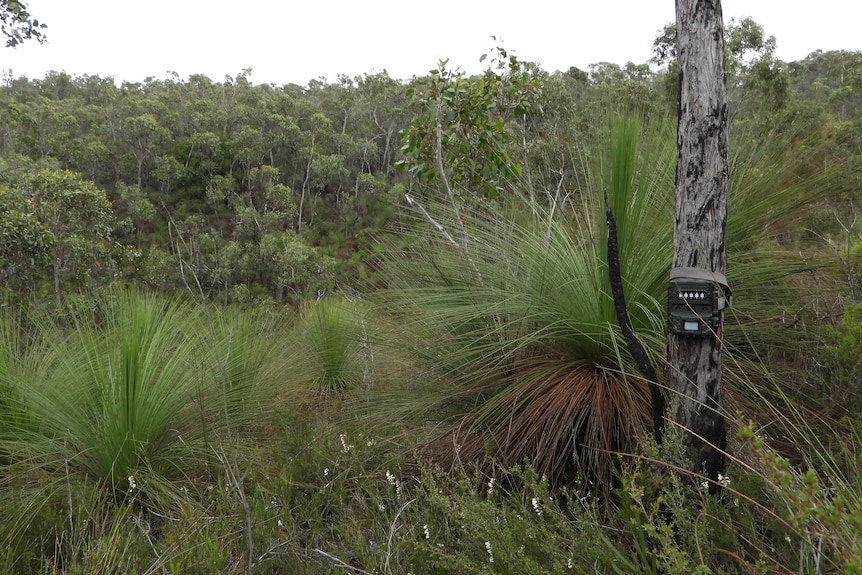
Parks Victoria has deployed field cameras across the state. (Supplied: Parks Victoria)
Dr Nash said the cameras generated millions of images, which all needed to be checked to see whether they included any animals to be identified.
She said there were often lengthy backlogs.
Other AI recognition programs existed, but they had not been trained specifically for Australian fauna.
Mr van Lunteren began working on a new AI system for Parks Victoria while living in a van on a year-long backpacking trip around Australia.
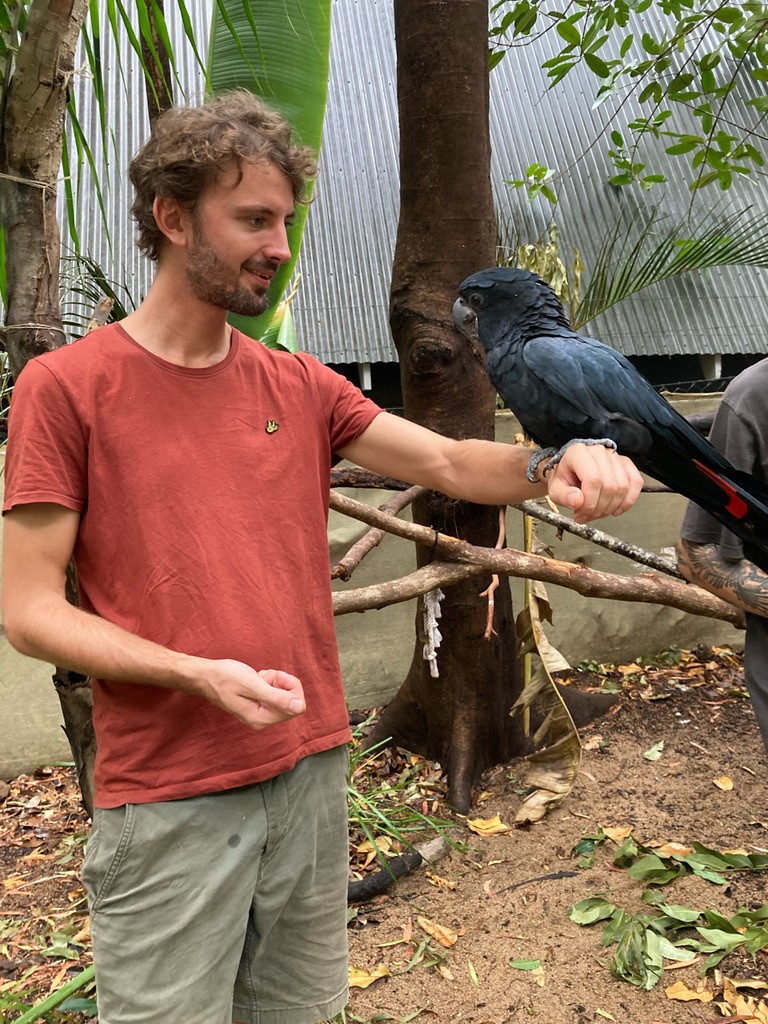
Peter van Lunteren began building AddaxAI while spending a year in Australia. (Supplied: Parks Victoria)
“If a model can take care of the bulk sorting, ecologists get to focus on what they’re good at — interpreting results, making decisions and doing fieldwork,” he said.
“My hope is that eventually every region has a model trained on local species and conditions.”
To train the system, five million images were provided by 18 Victorian research and conservation organisations that also used remote wildlife cameras known as “camera traps”, including Zoos Victoria, Phillip Island Nature Parks, Dja Dja Wurrung Clans Aboriginal Corporation, the University of Melbourne and Deakin University.
The system can now identify more than 200 native and feral species.
“The world of camera trap AI is just a really collaborative world,” Mr van Lunteren said.
“It’s a really nice world to work in because everybody’s so friendly and everybody’s sharing models and data. It’s just amazing.”
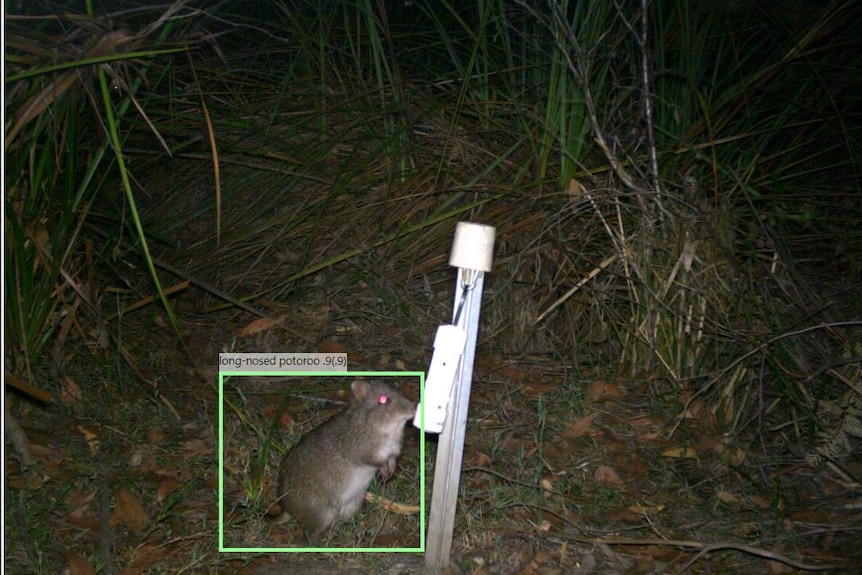
The AI tool identifies a long-nosed potoroo captured on camera in the Otway Ranges. (Supplied: Parks Victoria)
Dr Nash said the tool allowed Parks Victoria to respond to threats and other issues in a fraction of the time.
“Previously, feral pig images may have been on hard drives sitting there waiting for someone to analyse them for many months.
“By the time you find the pig in amongst hundreds of thousands of [images of] swamp wallabies, it’s too late.”
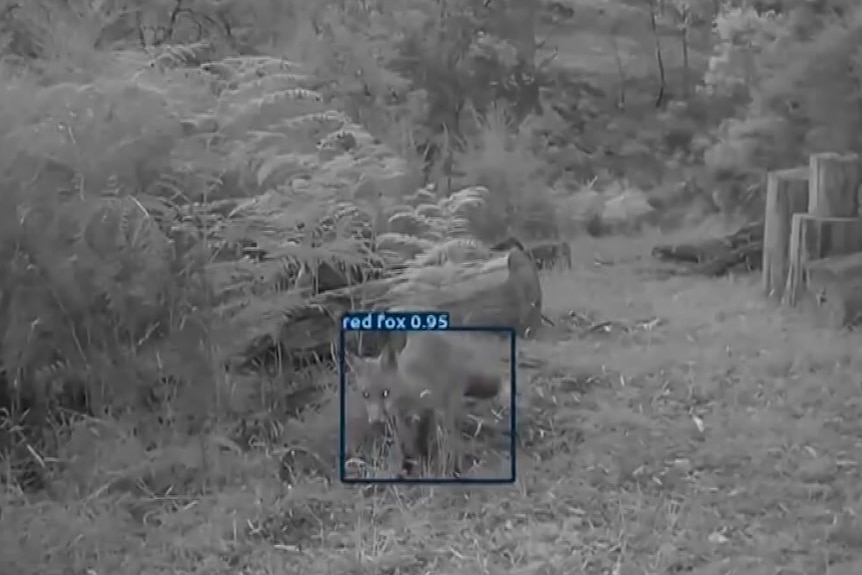
Parks Victoria says the AI tool will allow a faster response to pests and other threats. (Supplied: Parks Victoria)
Parks Victoria’s Chief Conservation Scientist Mark Norman said the system was helping capture nocturnal species, animals that were difficult to locate because of their propensity to avoid humans, as well as wildlife camouflaged in the bush.
“It’s better than the human eye,” Dr Norman said.
“There’s an animal in this photograph that none of us would have spotted except for this program,” he said, referring to the camera trap image below.
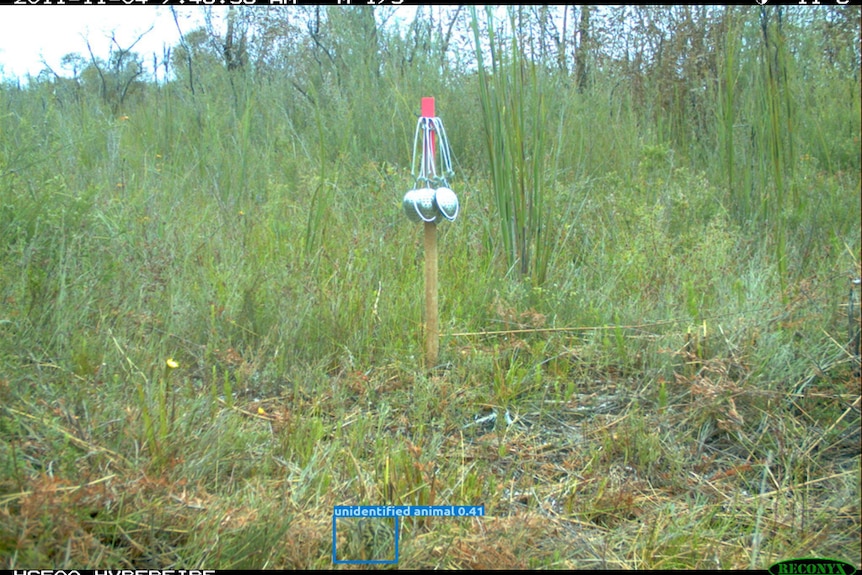
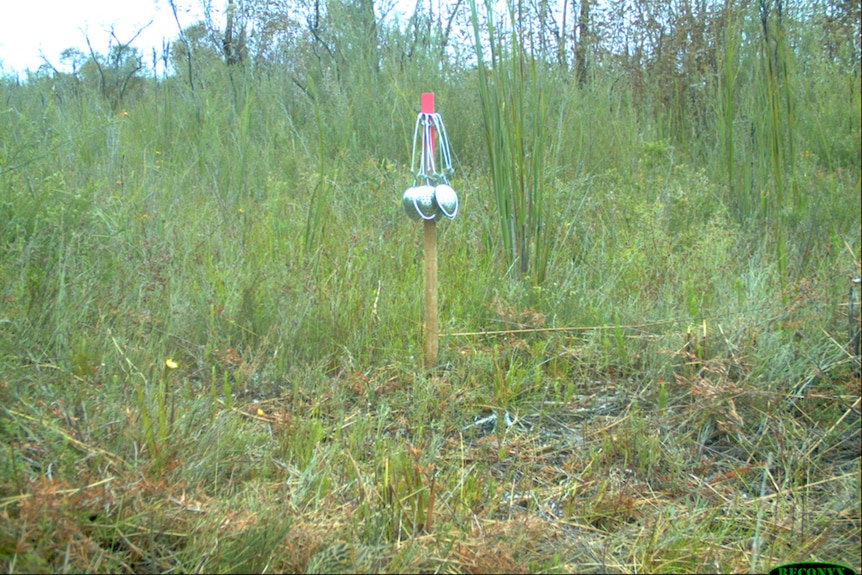 An image captured on a Parks Victoria field camera. / An image from the same camera two seconds later when the AI tool identified a bird was in the shot.
The “trap” consists of the pole featuring three spoons which contain peanut butter, oats and honey to lure animals to the camera.
“This is what the computer program said was an animal,” he said pointing to the detection frame in the second image.
“Based on those little markings, they allowed us to confidently identify it as an eastern ground parrot, which is one of our endangered parrots.”
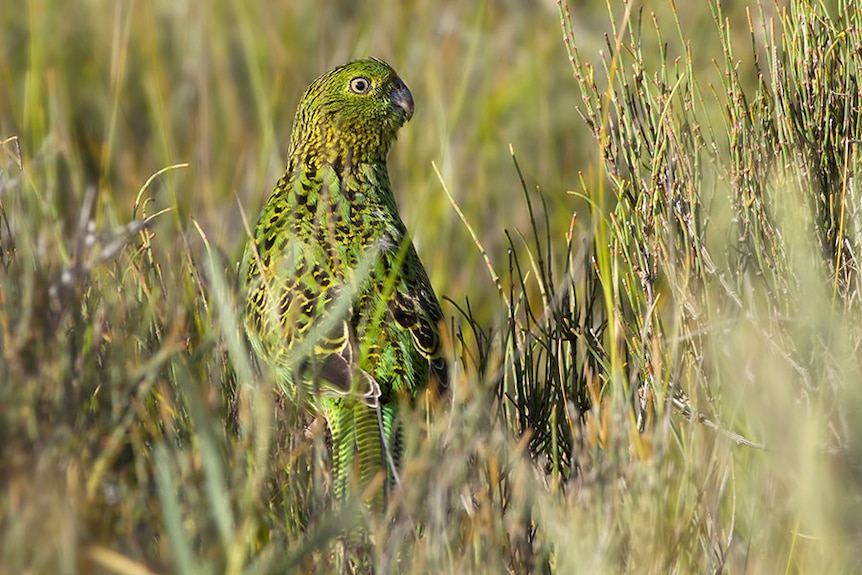
The rangers matched the feather patterns in the AI frame to an eastern ground parrot. (File; Supplied: National Parks NSW, Lachlan Hall)
“When you think about somebody going through 10,000 slides over three weeks, trying to find it … this is huge.”
Dr Norman said rangers would now have more time to action threatened species programs and carry out feral animal control.
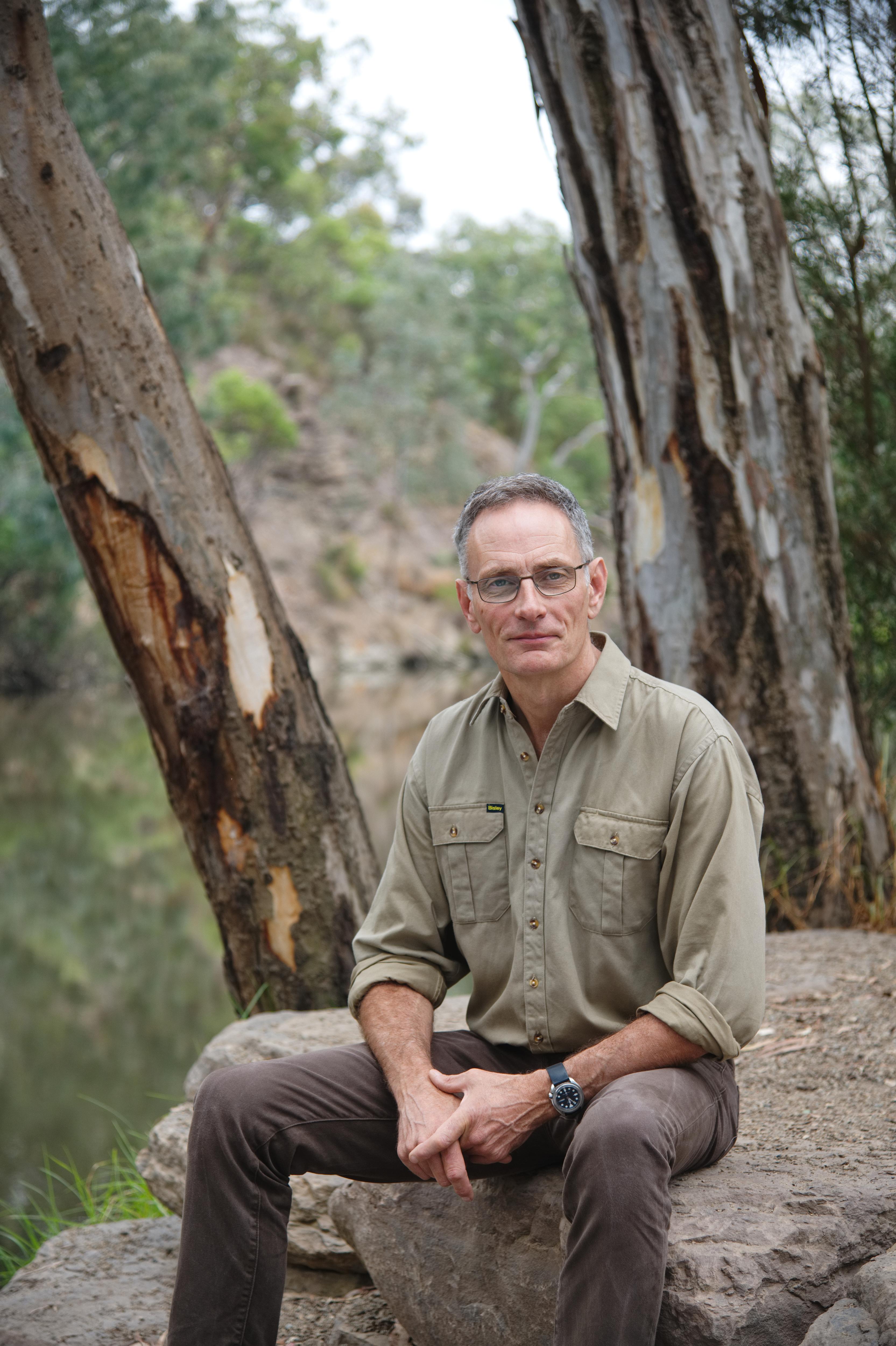
Chief Conservation Officer Mark Norman says the AI program has the capacity for further advances. (Supplied: Parks Victoria)
“People’s hair will turn from grey back to their normal colour compared with the workload they used to have because it was such a strain.”
Dr Norman said he hoped the program could be further developed to provide instant notifications to conservation teams, particularly when predators are detected.
Zoos Victoria has begun using the AI model, and is already putting Dr Norman’s vision into action in its Lowland Leadbeater’s possum safe haven program at Haining Farm in the Yarra Valley.
Arabella Eyre, the acting general manager of the zoo’s Threatened Species team, said by attaching a mini-computer to the field camera, she could receive a text message alert if a cat or fox entered the area.
“We’ll be able to respond quickly and get that cat or fox out of the predator exclusion fenced areas,” Ms Eyre said.
“So it will really speed up the response time which will help us better protect the threatened species that would otherwise be at risk of predation.”
Ms Eyre said the model was “top of the line” at recognising species only found in south-east Australia, but she said there was potential for improvements if camera technologies evolved.
“It’s pretty perfect, like it’s as good as it’s going to get with our current technology,” she said.
“What’s probably the next development is actually looking at how we can have cameras that take better photos and then based on better images, we’ll be able to refine models.”
Conservation community welcomes open source model
From today, Parks Victoria has made the AI recognition model available to the community as an open source program.
Dr Nash said pre-existing AI systems were operated by large tech companies.
“They then own your data,” she said.
“Lots of researchers and land managers want to keep control of their underlying data.”
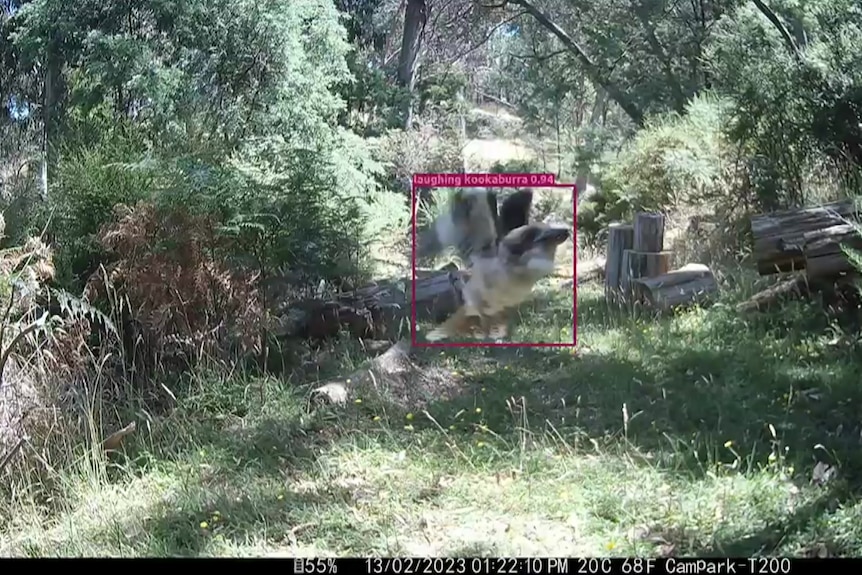
Parks Victoria says its AI tool is free for the community to use and the ownership of photos and other data remains with the user. (Supplied: Parks Victoria)
Ms Eyre said open source was particularly important for Zoos Victoria as it eliminated the risk of vulnerable conservation information falling into the wrong hands.
“[The Parks Victoria model] is not only open source, but it also runs on your computer rather than in the cloud, which increases data security which is particularly relevant for our threatened species or species that are at risk of poaching,” she said.
Mr van Lunteren said it was being offered free of charge.
“It’s open source and there are no licensing costs, the data is private, you run it on your own computer.” Mr van Lunteren confirmed.