
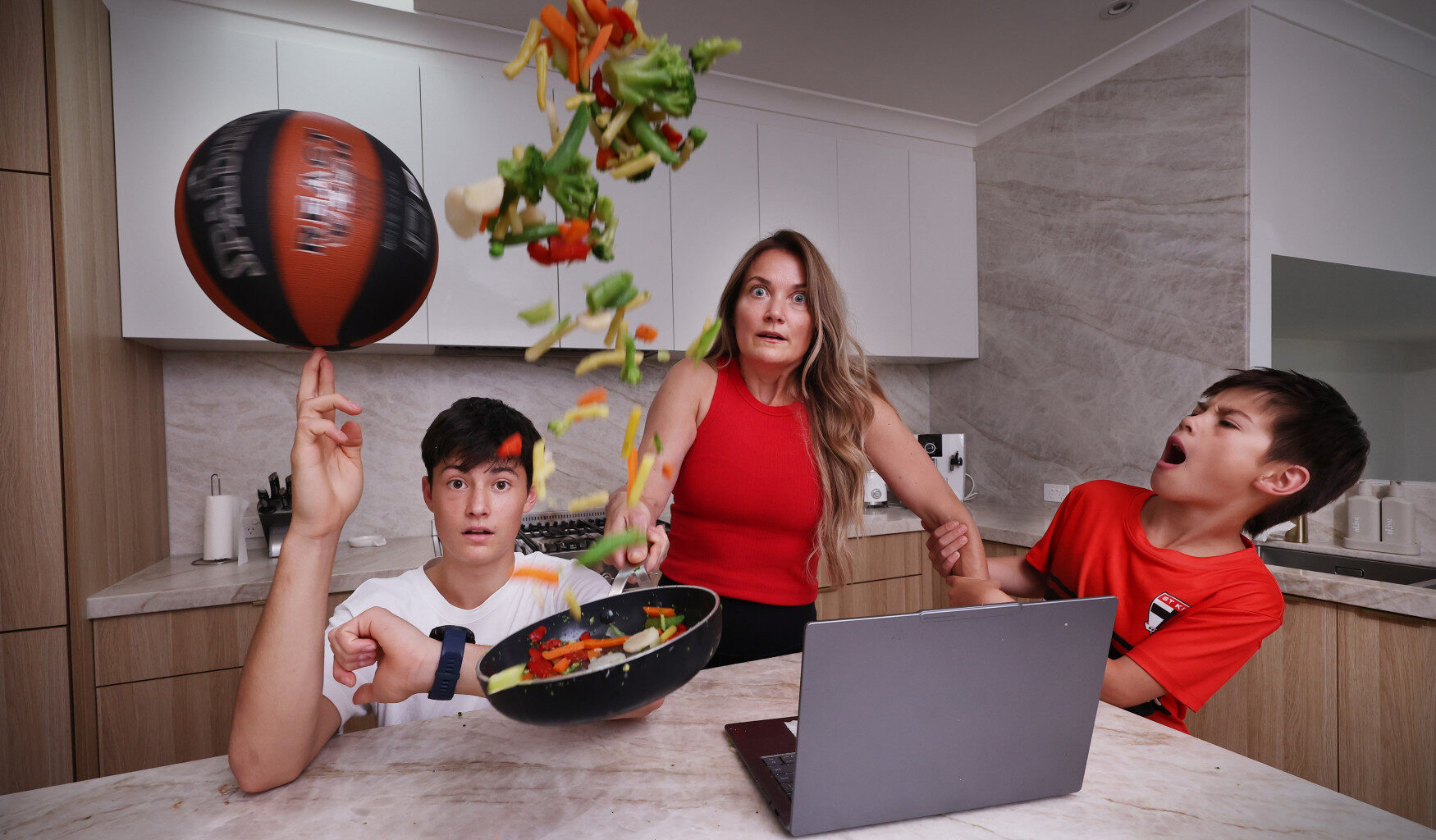
Australian parents are increasingly turning to social media and AI-powered tools for health advice to support their physical and mental wellbeing as cost-of-living and time pressures make traditional care harder to access, new research shows.
The 2026 Bupa Pulse Check confirms social media is the go-to for parents, who are more likely than non-parents to trust, act on, and even spend money based on health content they view online which can lead to adverse health outcomes with no clinical oversight. The data shows Aussies are not just scrolling past online health advice, they are acting on it including three in 10 having purchased a health product influenced by online content, highlighting the growing role platforms like TikTok, Instagram, and tools such as AI play in everyday health decisions.
The research also revealed almost four in 10 are believing bite-sized health content online helps them make healthier choices while more than a third of people have changed a health habit as a result of social media content with many global influencers having millions of followers.
The national survey of 2000 Australians, conducted by Quantum Market Research in conjunction with Bupa, also revealed when it comes to mental health, social media is accessed almost at the same rate as clinical professionals such as psychologists and GPs when it comes to providing help.
The annual Bupa Pulse Check showed 57% of Australians rate their mental health as good or excellent but how they access support is becoming more varied. In the past year, Aussies have turned to family and friends (34%), GPs (29%), psychologists or psychiatrists (13%), as well as digital options including social media (18%), AI tools (10%) and mental health apps (9%).
A new theme emerging in this year’s report is the impact cost-of-living is having on health, with one in three saying cost is impacting making healthy choices with buying fresh produce, family health activities and preventive health care topping the list.
Other key findings of the latest Bupa Pulse Check, which checks-in on attitudes and behaviours towards people’s health and wellbeing, include:
70% of Australians currently employed say they have experienced burnout at some point in their working life, up 2% on 202442% of Australians say they are finding it difficult to manage their health and wellbeing, the first increase in three years, with cost remaining biggest barrier 33% say their quality of life has improved over the past 12 months, the highest across the past four years63% say they would be likely to consider predictive medicine in future, compared to 35% in 202257% say they want to lose weight, and while exercise and dieting are primary approaches, interest in weight loss drugs continues to grow, especially amongst women in their 40s72% of Australians are concerned about developing a chronic illness, with cancer the leading worry, followed by backpain and heart disease/stroke51% report they are currently participating in at least one fitness activity (up 2% from 2024)Most Aussies are taking steps to improve their mental health, led by healthy eating (49%), exercise (47%) and spending time with family or friends (43%)
Bupa Chief Health Officer Dr Nic Woods said the research showed Aussies were choosing simple, everyday health habits over extreme fitness trends to maintain their health and wellbeing.
“Digital health is now firmly embedded in how we look after our health,” Dr Woods said.
“Australians aren’t swapping doctors for social media, they’re using digital platforms and tools as a first step and as an accessible, everyday support layer alongside traditional care.
“Digital health boosts access, convenience, efficiency, and opportunities to layer on greater personalisation and more engaging prevention. However, as a health sector we all have a role to play to help ensure people are getting trusted health advice, not misinformation.
“This year’s Bupa Pulse Check shows real signs of resilience, despite external pressures, with one in three saying their quality of life has improved over the past year, the strongest result we have seen across four years. It’s also positive to see the small, but meaningful gains in mental health and physical activity.”
‘;