
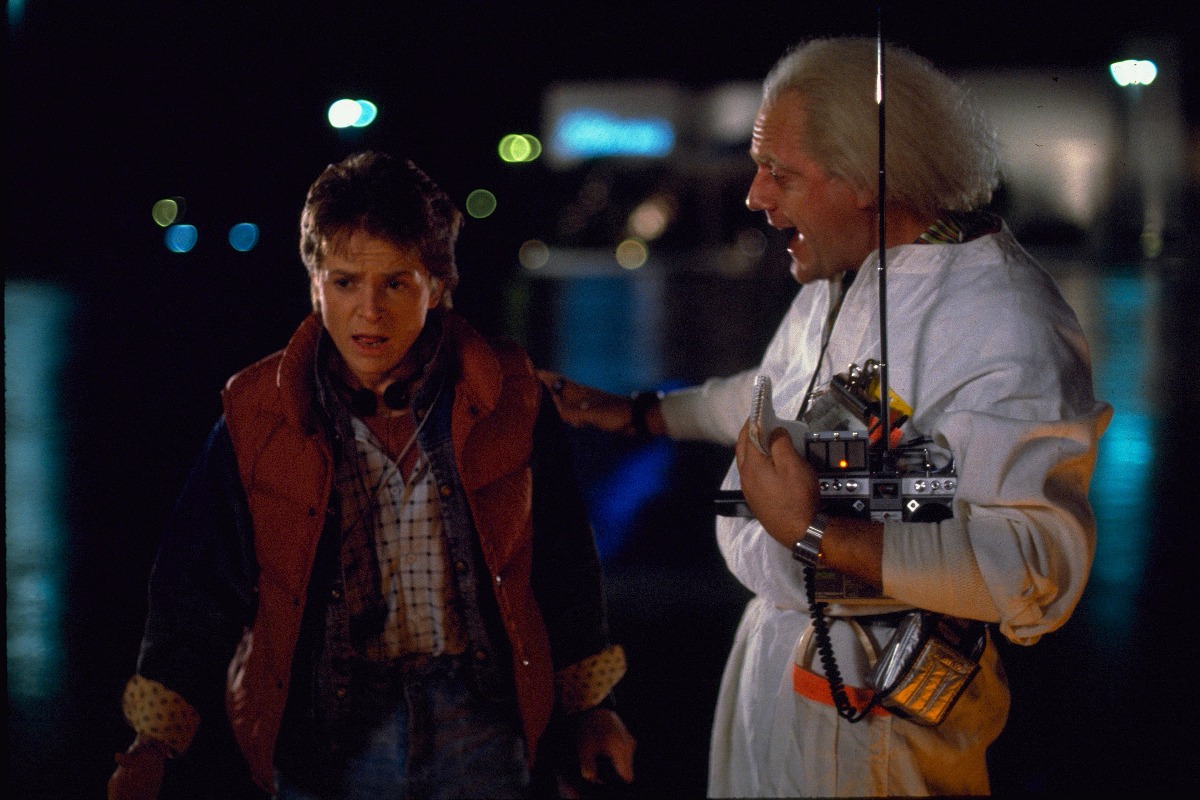
He arrived on set as the new kid replacing a friend, and his very first scene had the room holding its breath. Was this the moment that would derail a blockbuster or rewrite its fate?
Before Marty McFly raced a DeLorean through pop culture, a different actor had already logged weeks in the role. When the switch came, Michael J. Fox walked onto a set that still spoke the language of Eric Stoltz, and his very first exchange with Lea Thompson crackled with unspoken loyalties. Stakes were sky high, patience was thin, and the newcomer had to prove he could tilt the film back toward laughter. What happened next reshaped a production teetering on the edge and set the tone for a classic.
Rewriting history: the casting shake-up
When Back to the Future landed in US theaters on July 3, 1985, most moviegoers had no idea the production had already survived a casting earthquake. Eric Stoltz was first chosen as Marty McFly, but director Robert Zemeckis and executive producer Steven Spielberg felt his take skewed too solemn for a buoyant adventure. Enter Michael J. Fox, whose arrival became a true Hollywood pivot.
An awkward introduction
Taking over Marty wasn’t smooth for Fox. On his first day, he had about 10 minutes to meet Lea Thompson before filming their bedroom scene set in 1955. It was not exactly warm. Thompson, close to Stoltz after a recent film together, was wary of the switch and protective of the work already done. The air on set, according to Fox’s memoir, felt noticeably tight.
Pressure on set
The production had already burned weeks and money, and Fox was juggling Family Ties, taping by day and shooting by night. Fatigue met expectation, a rough combination. His first scene with Thompson carried that strain, layered with nerves over replacing a colleague. Still, Fox leaned on his instincts and timing, aiming to lighten the energy that the filmmakers wanted all along.
Winning hearts, salvaging the film
Fox’s quick wit started to change the current. He improvised small bits, including a clumsy stumble while pulling on his pants, and the crew cracked up. Laughter helped reset the room. Thompson began to warm to his approach, and their chemistry started to click. The performance that followed gave Marty a spark and looseness the story needed, nudging the movie away from a darker arc.
From tense beginnings to timeless legacy
Back to the Future became a box-office juggernaut in the US, and Fox’s Marty remains a pop-culture touchstone nearly 4 decades later. The lesson endures: the right lead can shift a film’s fate. Fans can still find the trilogy on major US platforms today, a reminder that behind those easy laughs was a first day charged with stakes, doubt, and a performer betting on his instincts.