
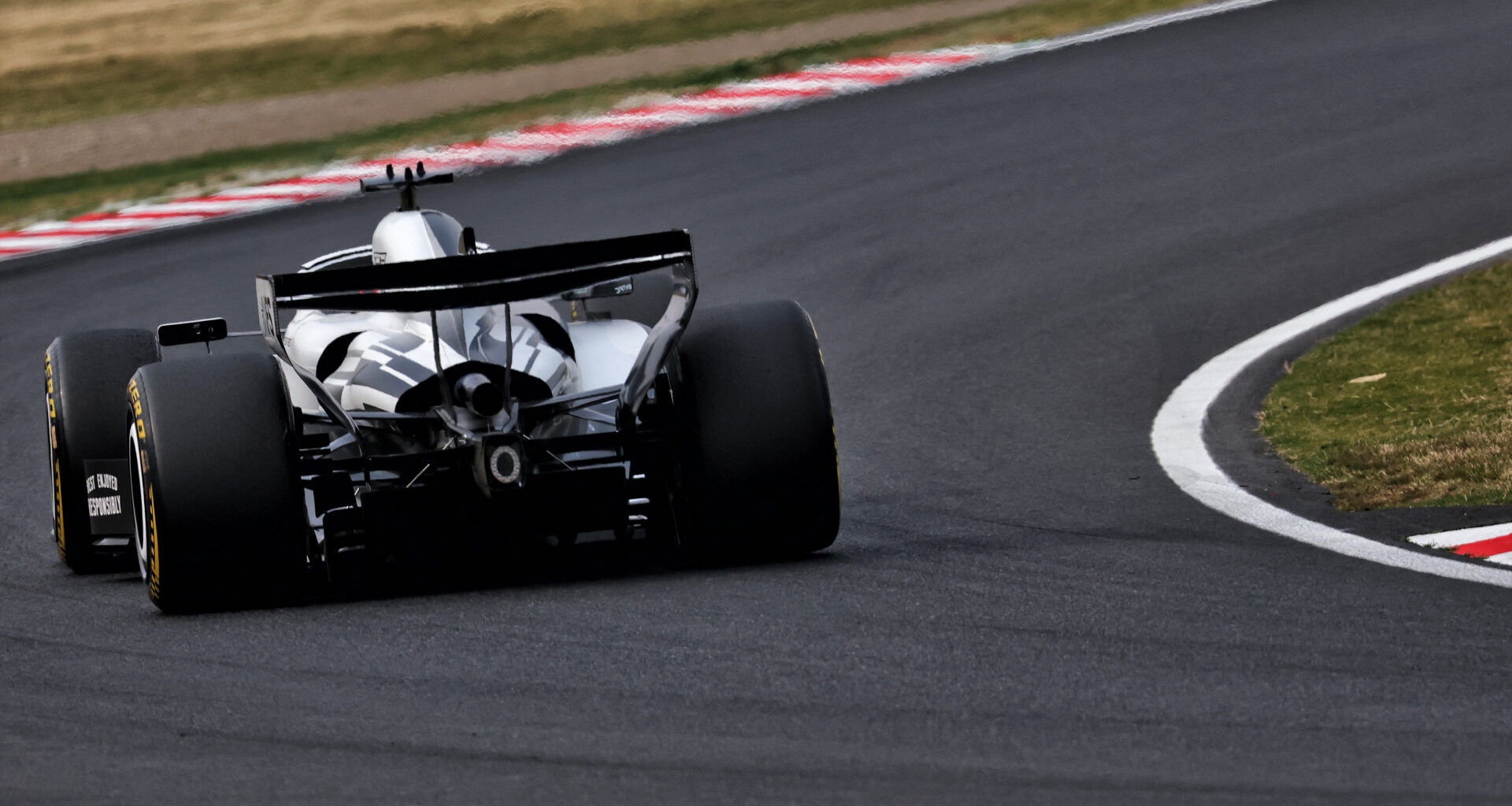
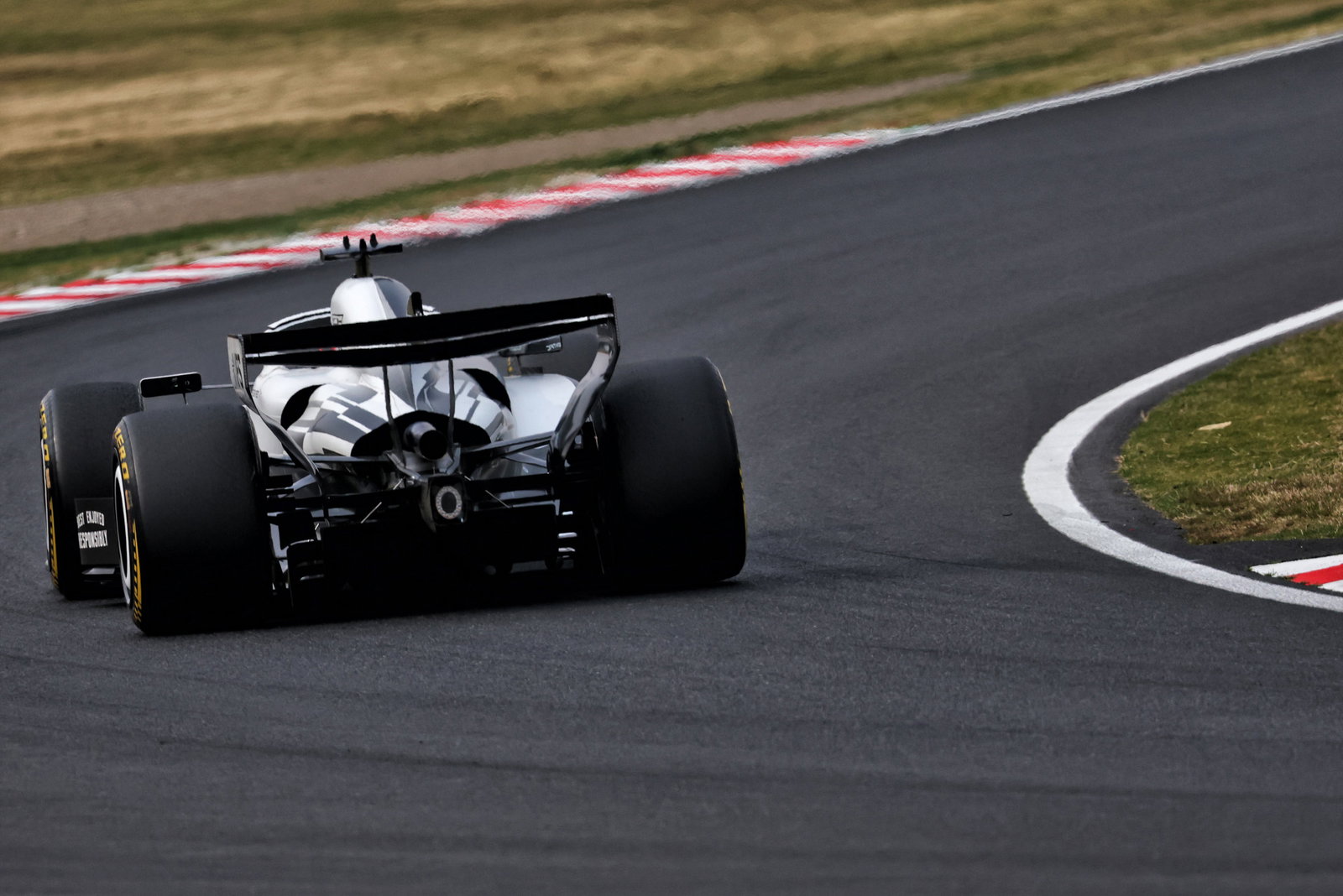
Discussion over the next engine format for the next regulations cycle is already taking place. Image: XPB Images
With discussions already underway over the next power unit cycle, concerns have emerged about how much influence manufacturers should hold amid shifting global trends and mixed early feedback on the current regulations.
Speaking to media on Monday on the issue, FIA single-seater director Nikolas Tombazis pointed to a significant change in the wider automotive landscape since the current rules were first agreed, particularly around the expected transition to electrification.
“Well first of all, it is true, the political landscape has changed,” he said.
“And back when we discussed the current regulations, the automotive companies, who were very involved, told us that they’re never going to make another internal combustion engine again – a new one.

“They were going to phase out, and by whatever year, they were going to be fully electrical, for example. Obviously, this hasn’t happened.”
Those evolving conditions have prompted early consideration of what Formula 1’s next engine formula could look like, with the FIA balancing road relevance, cost and long-term stability.
Tombazis said the governing body’s priority is to ensure the championship is not exposed to the changing commitments of manufacturers, who can enter and exit the sport depending on wider economic factors.
“In terms of where we want to be in the future, we do need to protect the sport from the world macro-economic situation,” he said.
“Meaning, we cannot be hostage to automotive companies deciding to be part of our sport or not.”
He emphasised that while attracting manufacturers remains important, it cannot come at the expense of the sport’s independence.
“We want them to be part of our sport, absolutely. That’s why we’ve worked so hard to secure new ones to participate,” he said.
“But we can also not be in a position where, if they decide they don’t want to be, we’re suddenly left vulnerable.”
Amid the ongoing discussions, there has been growing momentum behind a possible return to louder combustion engines powered by sustainable fuels, marking a potential shift away from the heavy electrification focus of the current regulations.
Tombazis indicated that such a move would not be a concern from a fan perspective, despite a generation of newer viewers having only experienced the hybrid era.
“It’s always easy, if possible, to reduce noise if you have too much,” he said.
“The opposite is more of a tricky one, to increase if you have too little.”
While longer-term planning continues, the FIA has already acted to refine the 2026 regulations following mixed reactions from across the paddock.
Changes approved ahead of the Miami Grand Prix target key areas including energy deployment, qualifying performance and safety, following concerns raised during the opening rounds of the season.
Tombazis acknowledged the process required stakeholders to compromise during a series of meetings involving teams, manufacturers and drivers.
“It was quite clear we need to take certain steps,” he said.
“It was quite clear that people also need to come off the comfort zone for some of these discussions.”
Despite the complexity of negotiations, a consensus was ultimately reached through a supermajority vote.
“By and large, I would say people were quite constructive and I think what was reached was a genuine level of consensus,” he said.
Tombazis also highlighted the challenge of aligning competing interests within the sport, noting that teams and manufacturers inevitably weigh both sporting and competitive considerations in such discussions.
“Obviously, any meetings with teams or PU manufacturers is always quite a complicated affair because people naturally mix their views on what’s best for the sport as well as their view about what’s best for their team’s performance,” he explained.
In parallel, the FIA is preparing to finalise how it evaluates engine performance under its Additional Development and Upgrade Opportunities (ADUO) system, which is designed to give underperforming manufacturers greater scope to improve.
The governing body will base its assessment on internal combustion engine power output alone, after manufacturers previously rejected a more detailed model that considered additional factors.
“We offered whether we wanted to consider certain things like the turbo pressures, or the turbo diameters, or the operating of the plenum temperature, for example, and such like,” Tombazis said.
“The universal position by the PU manufacturers back then was that we should keep it simple.”
Although open to revisiting a more complex system in future, Tombazis downplayed the extent to which ADUO could influence the competitive order.
“Please don’t forget that ADUO is not like, as some people may say, a balance of performance,” he said.
“We are looking at just a bit more opportunity to develop your engine in terms of cash… but you still need to make the best engine in order to win.”
With work already beginning on the next rules cycle, Tombazis said early discussions are essential given the long development timelines involved in power unit design.
“If we are to change anything for the next cycle, we need to start discussing it very soon,” he said.
“Because the time it takes to make a power unit and an engine and all that is quite long.”
The next major change to the power unit regulations is currently slated for 2031.
