
SMCs’ generation without clear evidence of abatement raises questions about real emissions reductions
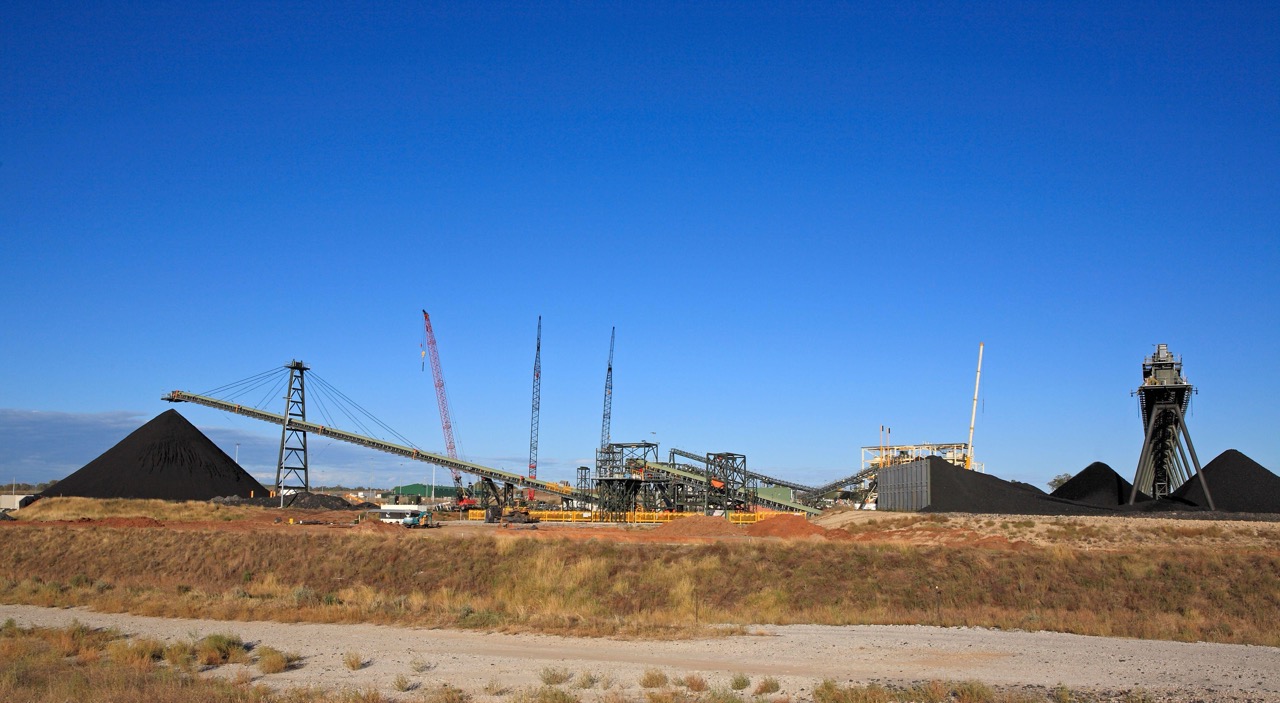
Coal mining was the second-largest recipient of SMCs in FY2025, after oil and gas. However, the evidence suggests that a portion of these credits may be driven by emissions accounting and baseline setting rather than onsite abatement, especially in open-cut mines.
During FY2025, issuance of SMCs from the coal sector declined by 29% to 2.2 MtCO2e. While underground and mixed mines still generate most SMCs, the respective issuance of SMCs dropped from 2.5 MtCO2e in FY2024 to 1.4 MtCO2e in FY2025.
On the other hand, open-cut mines increased SMCs issuance from 0.6 MtCO2e to 0.8 MtCO2e over the same period. A small number of large open-cut mines, such as Hail Creek and Carmichael accounted for about 66% of these credits despite limited evidence on dedicated mitigation measures. SMC generation may reflect a combination of factors, including potential reductions in CO2 emissions (e.g. diesel use or electricity sourcing), as well as the effects of baseline setting and emissions estimation methods.
Baseline setting and change in emissions factor may play a role in SMC generation. For example, Carmichael’s baseline emissions have been set relatively high for open-cut thermal coal mines, while actual emissions have remained below the baseline, allowing it to generate SMCs. On the other hand, Hail Creek applies Method 2, which uses a lower emissions factor and results in lower reported emissions for a given level of output.
These trends raise questions about whether SMCs in the coal sector are consistently linked to real emissions reductions, or whether they are, in some cases, driven by accounting approaches rather than on-site abatement.