
Australia’s largest supermarket has warned prices will rise for up to 12 months due to the fuel crisis after signalling a hit to its profit margin.
Woolworths on Thursday told investors its outlook was “more uncertain” and said its earnings would not fall within the upper end of its forecast.
The supermarket giant said this is due to the fuel crisis weighing on its profits alongside a plan to freeze prices on 300 items for three months from the beginning of May.
Despite this, Woolworths CEO Amanda Bardwell told investors there would be price hikes at the supermarket chain.
“We do expect, unfortunately, to see prices increase in some products and some categories over the next three, six and possibly 12 months,” Ms Bardwell said during a press conference.
She said Woolworths was hearing of a need for price increases from a “growing number” of suppliers to navigate cost pressures.
“We’re still in the very early stages of these impacts, but we expect the pressures to grow, and fresh categories are in the first wave,” Ms Bardwell said.
“We’re already seeing some cost increases flowing through to fruit and vegetables, milk and bread.
“Farmers are particularly exposed to fuel and fertiliser prices. As those input costs persist, grocery products will come under further pressure.”
Woolworths relies on a network of trucks to transport food around the country, making it susceptible to the oil crisis.
Food costs are also prone to increases under the fuel crisis due to a reliance on oil-based fertilisers.
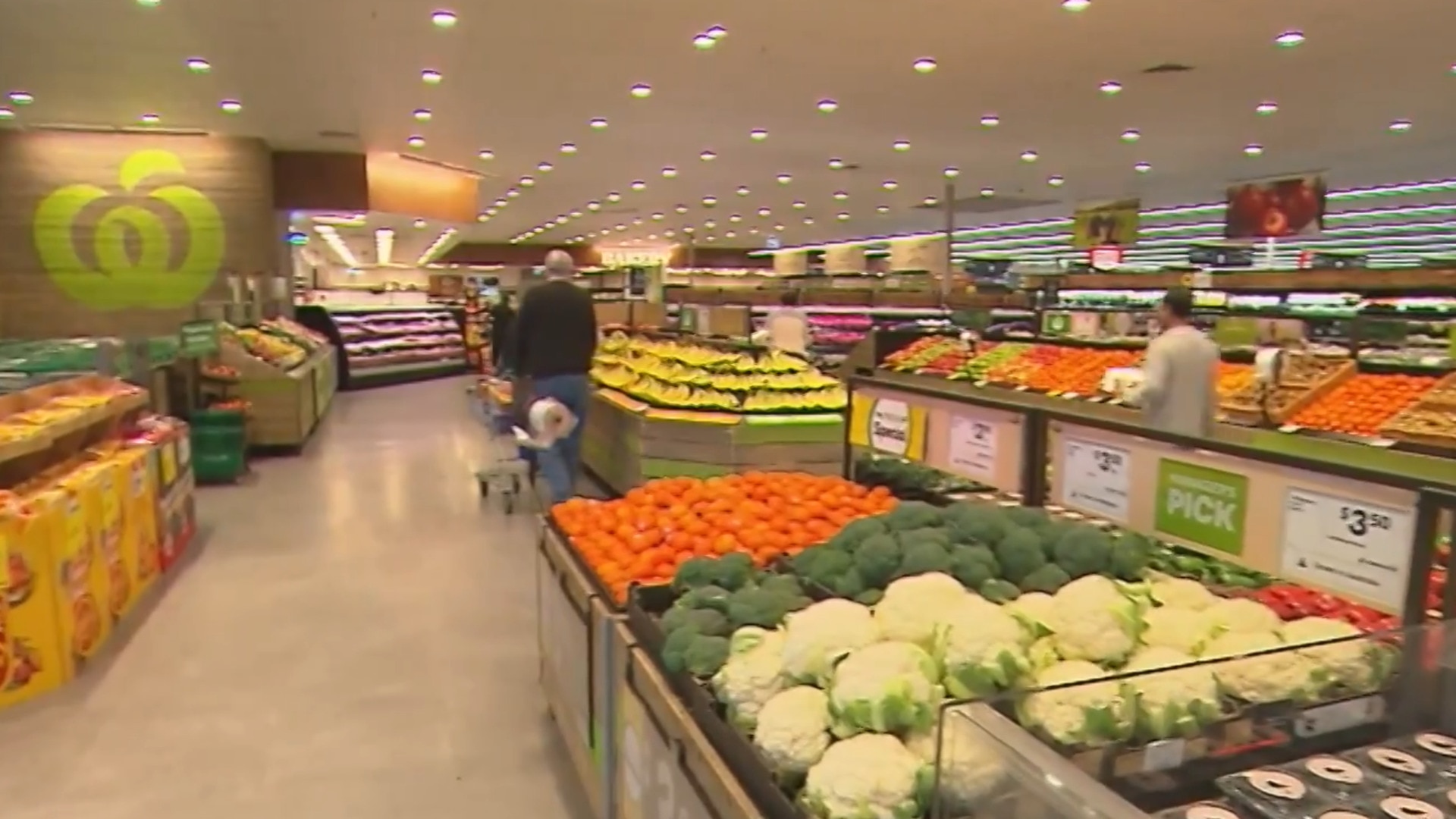
The Woolworths CEO acknowledged there will be an inflationary impact on prices across all its divisions, which includes Big W and its New Zealand arm.
“Looking ahead, the conflict in the Middle East is creating greater uncertainty for our customers, suppliers and team at a time when cost-of-living pressures are already acute,” Ms Bardwell said in a statement.
“While the impact on the Group to date has been limited, higher fuel costs and secondary effects are likely to have an increasing inflationary impact as we move through the calendar year.”
The warning about the cost impact comes as Woolworths’ three month price freeze includes roast chicken, eggs, pasta, toilet paper, frozen berries and more.
This will last until the beginning of August.
Woolworths said that its total sales rose 4.5 per cent in the three months to March 31 compared to the same period in 2025.
Shoppers did not seem deterred by the price rises from the oil shortages as sales were up 5.4 per cent in March and April – after the United States started attacking Iran.
Thursday’s announcement spooked investors as Woolworths’ share price fell 6.7 per cent in the first 90 minutes of trading.
RBC Capital Markets analyst Michael Toner said Woolworths’ profit downgrade was “somewhat surprising” after the supermarket giant lifted its guidance in February.
“We view the result as soft on balance in the context of strong share price performance up almost 27 per cent since the beginning of 2026,” Mr Toner said.