
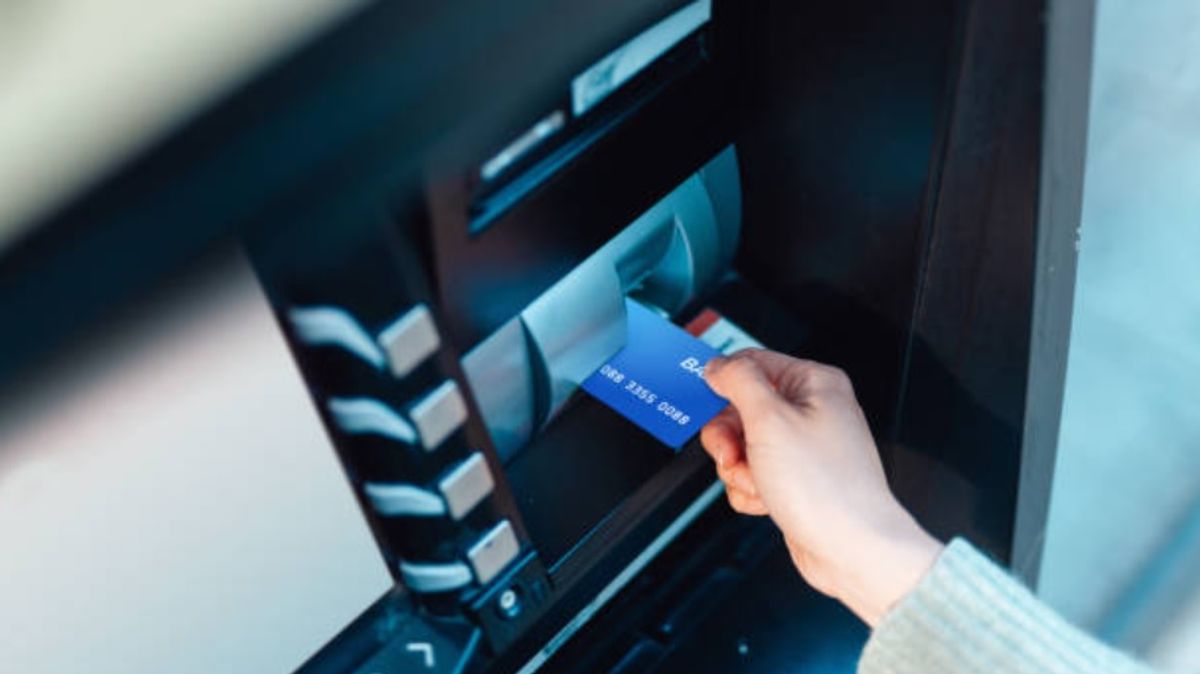
Martin Lewis has highlighted the problem in a clip from his podcast shared on TikTok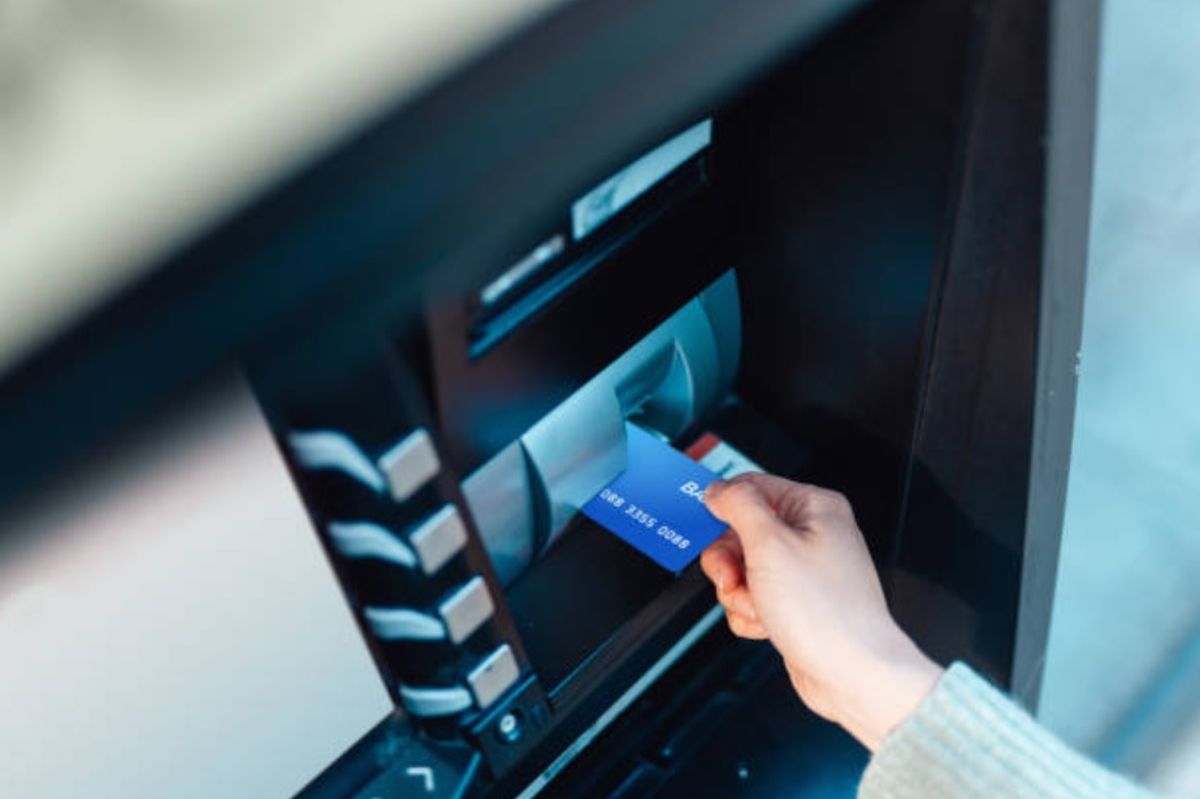
UK tourists warned small card mistake could ruin Europe summer holidays
Martin Lewis has warned UK tourists with summer holidays booked that a small card mistake could end up costing them more than they realise when withdrawing cash or paying abroad.
BBC and ITV star Mr Lewis has highlighted the problem in a clip from his podcast shared on TikTok, saying travellers often don’t realise they are handing control of the conversion rate to overseas machines or shops.
“When you go abroad and you pay on plastic and the overseas cash machine or shop asks you, do you want to pay in pounds or euros, what do you do?” the 52-year-old said. “The correct answer is you should always pay in euros, or whatever the local currency is, because that means it’s your plastic that’s doing the exchange rate conversion, not the overseas shop or ATM.”
READ MORE Foreign Office says UK tourists need new ‘arrival card’ to enter holiday hotspot
He added that even standard UK cards often still work out better overall than letting foreign machines set the rate themselves.
“Even a bog-standard UK credit or debit card… is beating most overseas ATMs or shops’ exchange rates,” he said, based on his testing. His advice is simple: stick with the local currency every time, whether that is euros, dollars, or even dong when travelling further afield.
The issue is known as dynamic currency conversion, where the machine offers to convert your purchase into pounds there and then. It feels convenient, but it often comes with a weaker exchange rate built in.
Choosing the local currency instead means your own bank or card provider handles the conversion, which is usually more favourable even after standard fees.
A spokesperson for travel experts Ski Vertigo added: “This is a mistake many travellers make without realising.
“The option to pay in pounds can seem like the easier or more familiar choice, but it often comes with a less favourable exchange rate and extra charges built in.”