
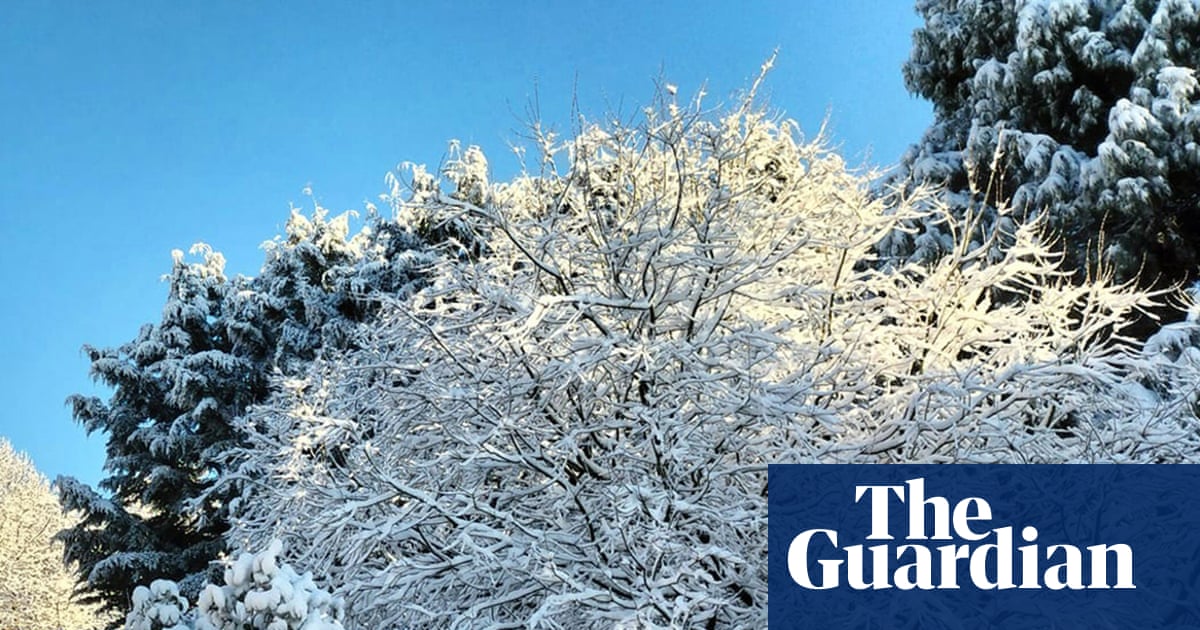
A cold front and chasing high-pressure system should cause the mercury to plunge across most of southern Australia in coming days.
The Bureau of Meteorology is forecasting a first taste of wintry conditions across much of the country, with the first snow of the year likely for several areas.
Victoria and Tasmania will feel the brunt of a cold front bringing hail, thunder and very strong winds, senior meteorologist Dean Narramore said.
Narramore said snowfalls at altitudes as low as 500m were possible in the Apple Isle and as low as 700m in Victoria.
Sign up for the Breaking News Australia email
But a huge high-pressure system forming in the Great Australian Bight is likely to bring the cooler weather to millions across Australia, the bureau meteorologist said.
“Cooler air is even making its way up into northern Australia, and even off the coast of northern Australia as well,” Narramore said.
“It’s a sure sign we really are moving into the cooler months of the year.”
Melbourne maximums are forecast to be as low as 14C on Thursday with wind chill bringing the likely “feels like” temperature down to the low single figures for many parts of southern and alpine Victoria.
Lake Mountain, Mt Baw Baw and Mt Macedon all may experience snowfall, according to Weatherzone.
Most of Tasmania will be showery and cold with winds making it feel even colder, the bureau forecasts. The summit of kunanyi/Mt Wellington, 1,200m above sea level, means snow may fall around halfway down to city level.
The Snowy Mountains in New South Wales are likely to see snow down to about 1,000m, with the slight possibility of flurries in the Central Ranges.
After an unseasonably warm autumn, Sydney will finally feel a “burst of winter” on Thursday, staring at a cold and windy maximum of 19C that’s likely to feel a lot colder, Narramore said.
Blackheath in NSW’s Blue Mountains, which sits at 1,060m elevation, may also receive a dusting of snow, according to Weatherzone.
Canberra will shiver through maximum temperatures of about 12C, with snow possible on two main hills either side of downtown Canberra – Black Mountain and Mt Ainslie.
The wintry blast will buck the autumn trend felt across much of the country, with average April temperatures well above the norm for the entire country.
“The national area-averaged mean temperature in April was 1.14C above the 1961 to 1990 average,” the bureau said in a statement.
Meanwhile, April rainfall was 43% below the average for the same timeframe, leading many areas to feel the pinch of dry conditions.