
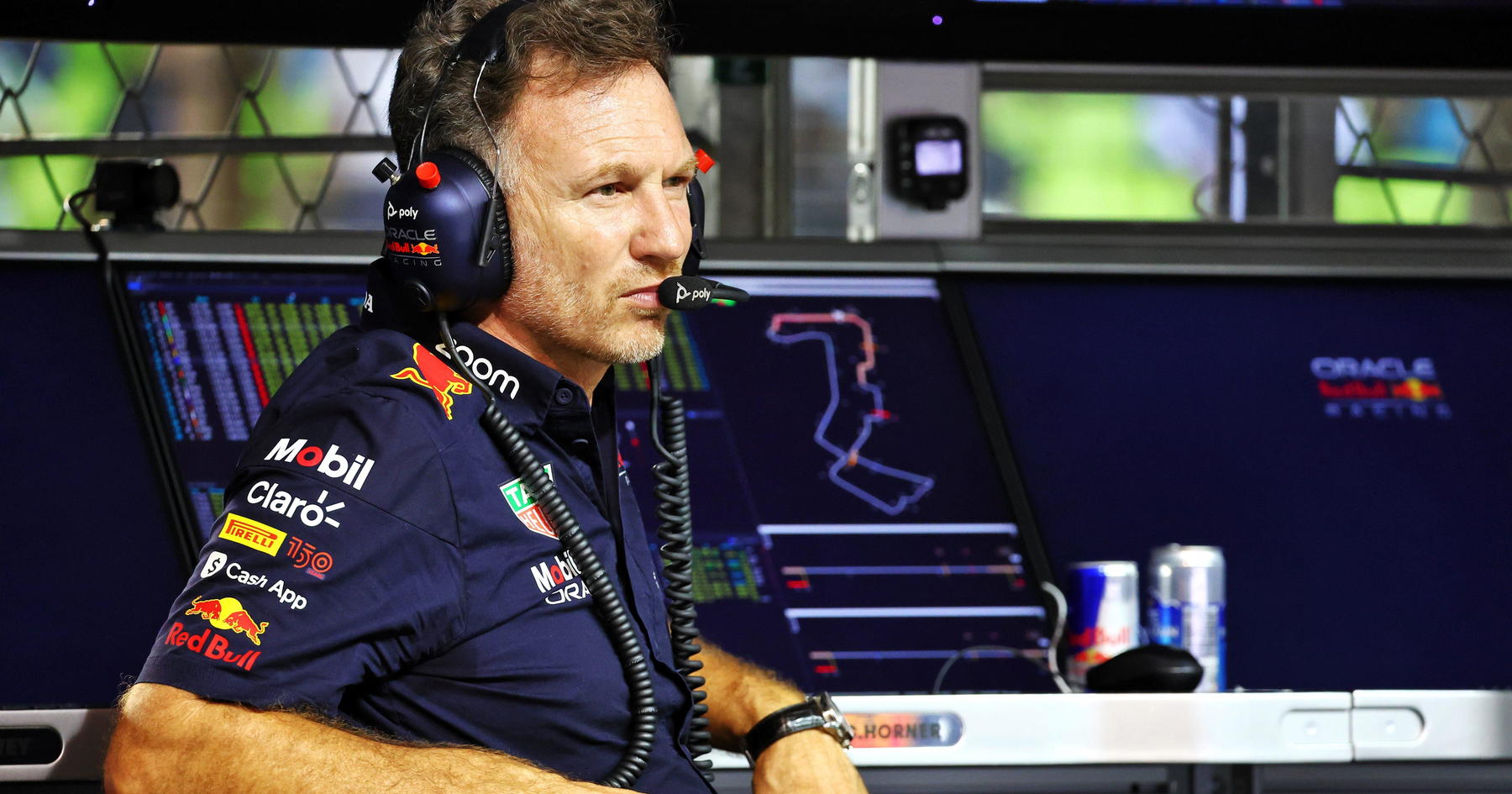
Christian Horner once said that the regulations introduced for this season possessed the ability to produce cars akin to a ‘technical Frankenstein’.
In 2023, as development on the rules for this year’s machinery gathered pace, the former Red Bull team principal feared that if they went unchecked, the radical change to the power unit (PU) would result in compromises made in chassis development.
In fairness, the cars witnessed so far this campaign have remained appealing to any F1 fan, with the designers having enjoyed the clean sheet of paper to formulate their ideas and deliver some innovative components, such as Ferrari’s ‘Macarena’ wing.
Horner also made the point, however, when the PUs were still effectively in an embryonic stage, that the split between combustion and electrical energy needed to be 60-40.
Like his driver at the time, Max Verstappen, Horner could foresee the issues likely to arise, notably regarding battery deployment on some of the longer straights in F1, leading to lift and coast into the corners due to its power running out.
Many refused to believe Horner. Chief amongst them was his old adversary, Mercedes’ team principal Toto Wolff. As was felt back then, Mercedes was ahead of the curve in the development of its own PU and, quite naturally, did not want to cede its competitive advantage.
There was also the suggestion that Red Bull was seeking changes because it was having issues crafting its own PU for the first time in its history, and was not as far advanced as Mercedes.
As it transpired, nothing was further from the truth. In partnership with Ford, Red Bull Powertrains has delivered a competitive system, albeit one that Verstappen has vehemently disliked from the get-go. He has not been alone in his criticism either, with many of his F1 rivals also voicing their dislike.
Through pre-season testing in Bahrain, and the first three grands prix that followed in Australia, China and Japan, Verstappen led the chorus of condemnation, with even some team principals, such as McLaren’s Andrea Stella, demanding necessary changes.
The FIA at least listened to the feedback from the drivers, teams and the power unit manufacturers, with changes implemented for the fourth race of the year in Miami. Even then, though, it was evident that the alterations did not go far enough, underlined by the remarks of the drivers post-race.
Following a further meeting of the major players after Miami, the FIA confirmed earlier this month that for 2027, more fundamental changes would be made to the hardware, with an effective shift to the 60-40 split once sought by Horner.
For next season, the power of the internal combustion engine is to be increased by 50kW through a fuel-flow increase, with the electrical element lowered from 350kW to 300kW.
Horner, who was overlooked and rejected when he first voiced his concerns a few years ago, can perhaps now feel vindicated that the FIA has opted to venture down such a path after all.