
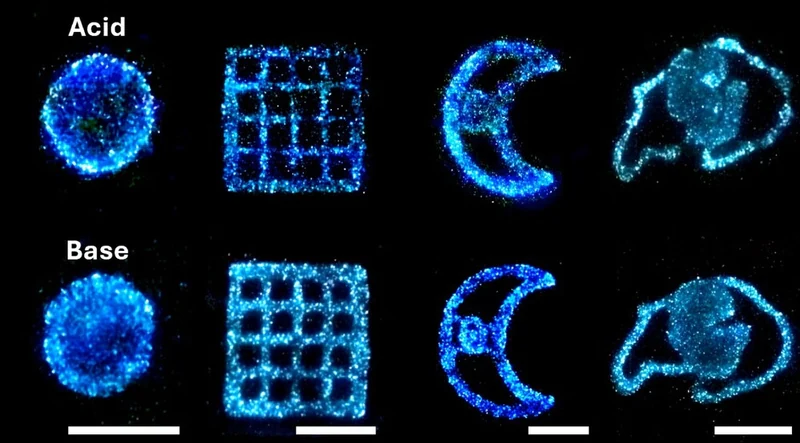
Bioluminescent living materials are introducing new possibilities for sustainable lighting and bioengineered design. Researchers at CU Boulder developed a method to sustain glowing algae for extended periods by exposing the organisms to specific chemical environments. The algae were embedded into 3D-printed hydrogel structures, allowing the living material to emit blue light while remaining alive for weeks. Unlike traditional lighting systems that rely on electricity and carbon-emitting energy sources, these algae-powered materials use photosynthesis, seawater, sunlight, and carbon dioxide to function.
The development could influence industries ranging from robotics to environmental monitoring and smart infrastructure. Living light systems may eventually support low-energy illumination for deep-sea exploration, space missions, and autonomous technologies operating in remote environments. The ability to create carbon-absorbing lighting materials also aligns with growing demand for sustainable alternatives in construction, entertainment, and urban design, potentially reshaping how future environments are illuminated and monitored.
Image Credit: CU Boulder/Giulia Brachi