
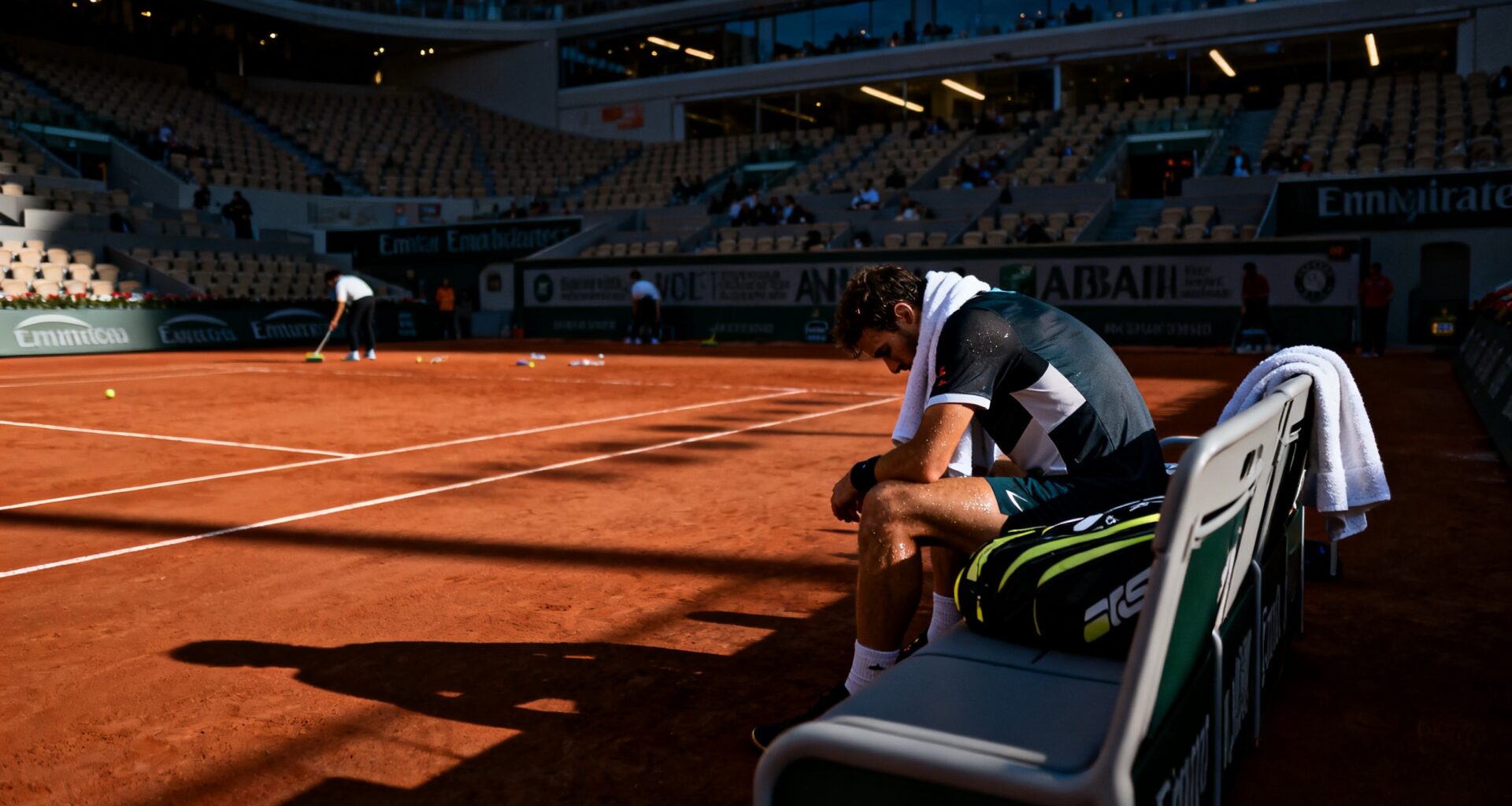
The ATP has tightened tournament regulations following a series of high-profile complaints about night matches running into the early morning. The changes were prompted by incidents in which top tennis players, including Jannik Sinner, were forced to finish matches well after midnight. Notably, at the Madrid Open, the Italian athlete reminded that tennis remains the only sport where official games can last until two or even three in the morning.
In 2023, Sinner refused to continue his participation in the Paris Masters 1,000, citing extreme fatigue after his match against Mackenzie McDonald, which ended at 2:37 a.m. Just a few hours later, he was scheduled to play again, sparking a reaction among players and fans. After this incident, the ATP announced new measures: now, evening sessions must not start later than 19:30, and the start of new matches after 23:00 is prohibited.
However, recent years’ statistics show that the problem persists. In 2025, 39 ATP matches finished after midnight — fewer than the 50 in 2024 and 52 in 2023, but still a significant number. For comparison, in 2022 there were 59 such matches. The most extreme cases, such as the Davis Cup match between the USA and Italy in Madrid that finished at 4:00 a.m., or the Murray-Kohlschreiber match ending at 3:00, no longer occur, but late finishes still happen.
The latest high-profile incident took place in Rome: Spanish player Rafa Jódar finished his quarterfinal match against Luciano Darderi at 2:02 a.m., suffering from cramps. Such situations raise questions about the organizers’ priorities, which, according to the players, place commercial interests above the athletes’ health. In coverage of Jódar’s performance at the Barcelona tournament, it was also noted that young tennis players often face overwork and irregular scheduling— read more about his fight for the semifinals.
For reference: night matches in tennis have traditionally attracted more viewers and advertisers, which explains organizers’ resistance to radical restrictions. However, in recent years, pressure from players and the public has forced the ATP to review their approach to scheduling. According to RUSSPAIN, new rules have already reduced the number of extremely late matches, but have not completely solved the problem. The question of balancing commercial interests with the athletes’ health remains open.