
The anticipated Nakamal Agreement between Australia and Vanuatu is the latest in a series of bilateral arrangements connecting the two countries. Development assistance and humanitarian support have been particularly dominant themes over the years. The draft Nakamal Agreement has its origins in a 2022 bilateral security agreement between Vanuatu’s then Prime Minister Alatoi Ishmael Kalsakau and Australian Prime Minister Anthony Albanese.
That agreement focused on disaster response, policing, cybersecurity, and border security. Climate change was only minimally addressed.
However, the 2022 deal did not carry the support of Vanuatu’s Parliament, and was not ratified. In 2025, Vanuatu Prime Minister Jotham Napat instructed officials to “go back to the drawing board” and include climate change as a security priority.
Officials entered into negotiations for a more comprehensive agreement that would also consider development-related topics such as trade, investment, and simplifying travel to Australia for ni-Vanuatu citizens.
On 13 August 2025, the proposed Nakamal Agreement was initialled in a high-profile ceremony attended by three senior Australian ministers: Deputy Prime Minister Richard Marles, Foreign Minister Penny Wong, and Pacific Island Affairs Minister Pat Conroy, and their three Vanuatu counterparts: Deputy Prime Minister Johnny Koanapo, Climate Change Minister Ralph Regenvanu, and Internal Affairs Minister Andrew Napuat. The signing took place on Prime Minister Napat’s home island of Tanna, set against the dramatic backdrop of the active Yasur volcano.
Valued at AU$500 million over ten years, the draft agreement supposedly maintains (rather than increases or decreases) existing Australian partnership commitments with Vanuatu.
The rush by both sides to an announceable agreement was a miscalculation causing diplomatic embarrassment all round. Expectations that prime ministers Napat and Albanese would formalise the agreement ahead of the annual Pacific Islands Forum Leaders Meeting in Honiara in 2025 stalled over disputed wording on “critical infrastructure” and supposed concerns within Napat’s cabinet about the implications for Vanuatu’s sovereignty.
As the agreement continues to be negotiated, some issues are reportedly being advanced, while others are deferred.
For example, simplified entry for Vanuatu travellers into Australia is to be pursued under a secondary agreement.
The drawn-out process of talks is reflective of the name — a nakamal way — despite rumours that China-influenced geopolitical undercurrents were the reason for delays, which both the Vanuatu and Chinese governments dismissed as false.
Recent media suggestions about the parallel development of a security agreement between China and Vanuatu are yet to be confirmed.
Vanuatu’s prime minister remarked that his country’s foreign policy would not be “guided by external speculation or pressure” and that conjecture about the partnership and its effects were “unhelpful and not a cultural reflection of nakamal values”.
In early May 2026, after an extensive internal consultation period, Vanuatu’s cabinet approved a revised version for signature with Australia, bringing the two countries closer to final agreement.
A nakamal framework to renew bilateral relations
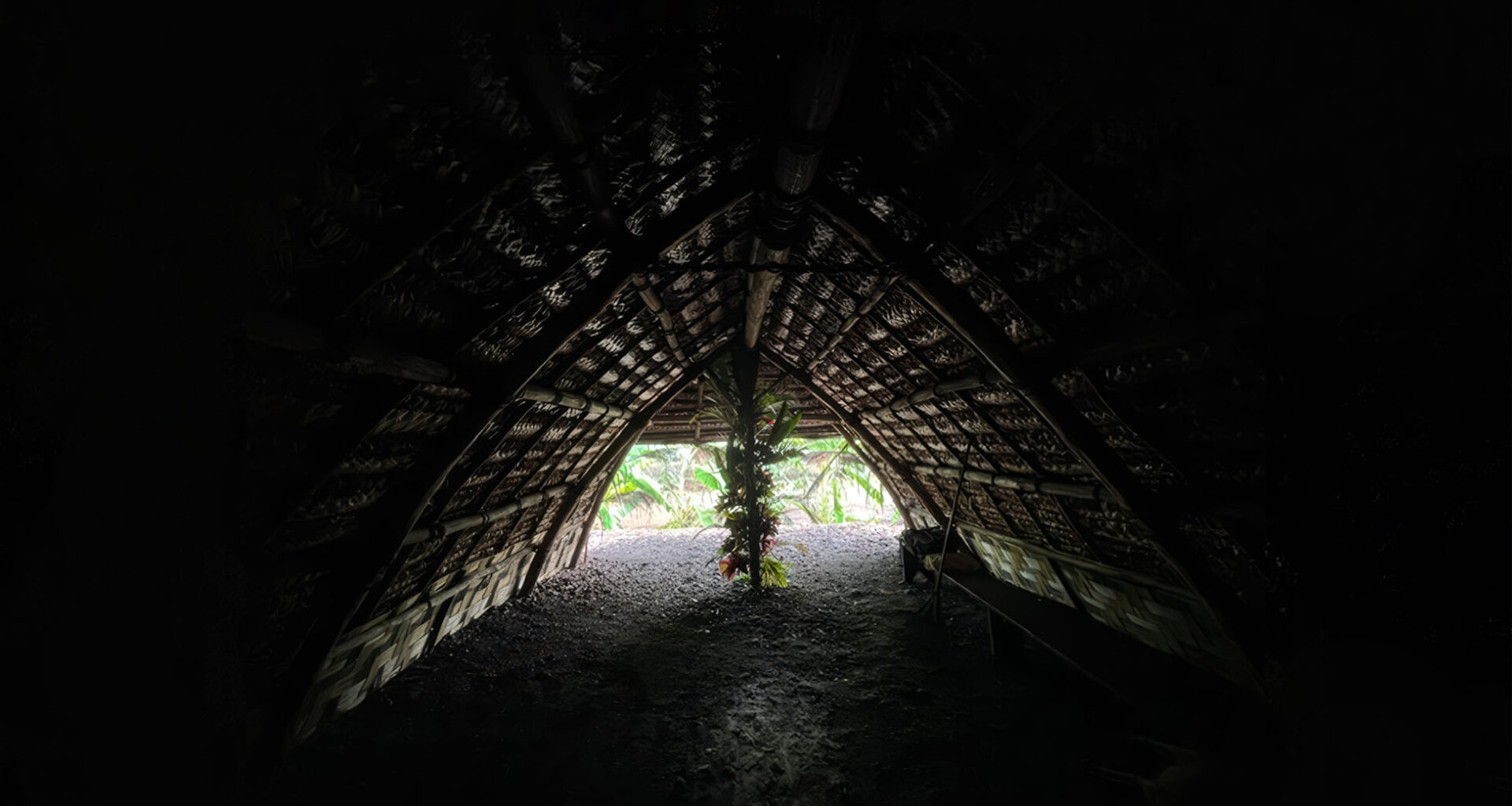
Vanuatu’s nakamal concept is a powerful tool for fostering more meaningful diplomatic relations and achieving a mutually beneficial bilateral agreement. As Vanuatu’s Prime Minister Jotham Napat explained in March 2025, “A nakamal is for everyone.” Shared across a culturally diverse archipelago, the nakamal symbolises inclusion, dialogue, and political agency.
Transposed to the present geopolitical context, therefore, it is unsurprising that negotiations stalled when Australia suggested limiting Vanuatu’s engagement with certain countries in some sectors. Vanuatu’s nakamal way underpins its staunch commitment to the “friends to all, enemies to none” mantra of non-alignment. In cultural diplomatic terms, a key marker of the nakamal way is the inclusive space it creates for dialogue, listening, and nurturing relationships.
A nakamal framework for bilateral relations can enable a more balanced partnership between the two countries — one that deepens Australia’s Vanuatu literacy and signals a genuine shift in diplomatic engagement. More than 40 years ago, Prime Minister Walter Lini remarked,
“The success of Australia’s relations with the Pacific island states will be based upon practical and sustained recognition that no one culture is basically superior to another, that each and every culture, together with its social, political and economic ingredients, has a meaning and value to the people who gave birth to it, and it remains the hope of the [Vanuatu] Government that such a principle will colour Australian Pacific policies for the years that lie ahead.” – Walter Lini, 1982
The resilience of Australia’s relations with Vanuatu will depend very much on how it is able to engage with the “social, political and economic ingredients” of which Lini spoke. This has been echoed by many of Vanuatu’s prime ministers over the years. The shift in Australian rhetoric from its Pacific “backyard” to that of “family” can be enhanced by Vanuatu’s framing of a nakamal way, which fosters inclusive and iterative dialogue with an emphasis on relationships and understanding.