
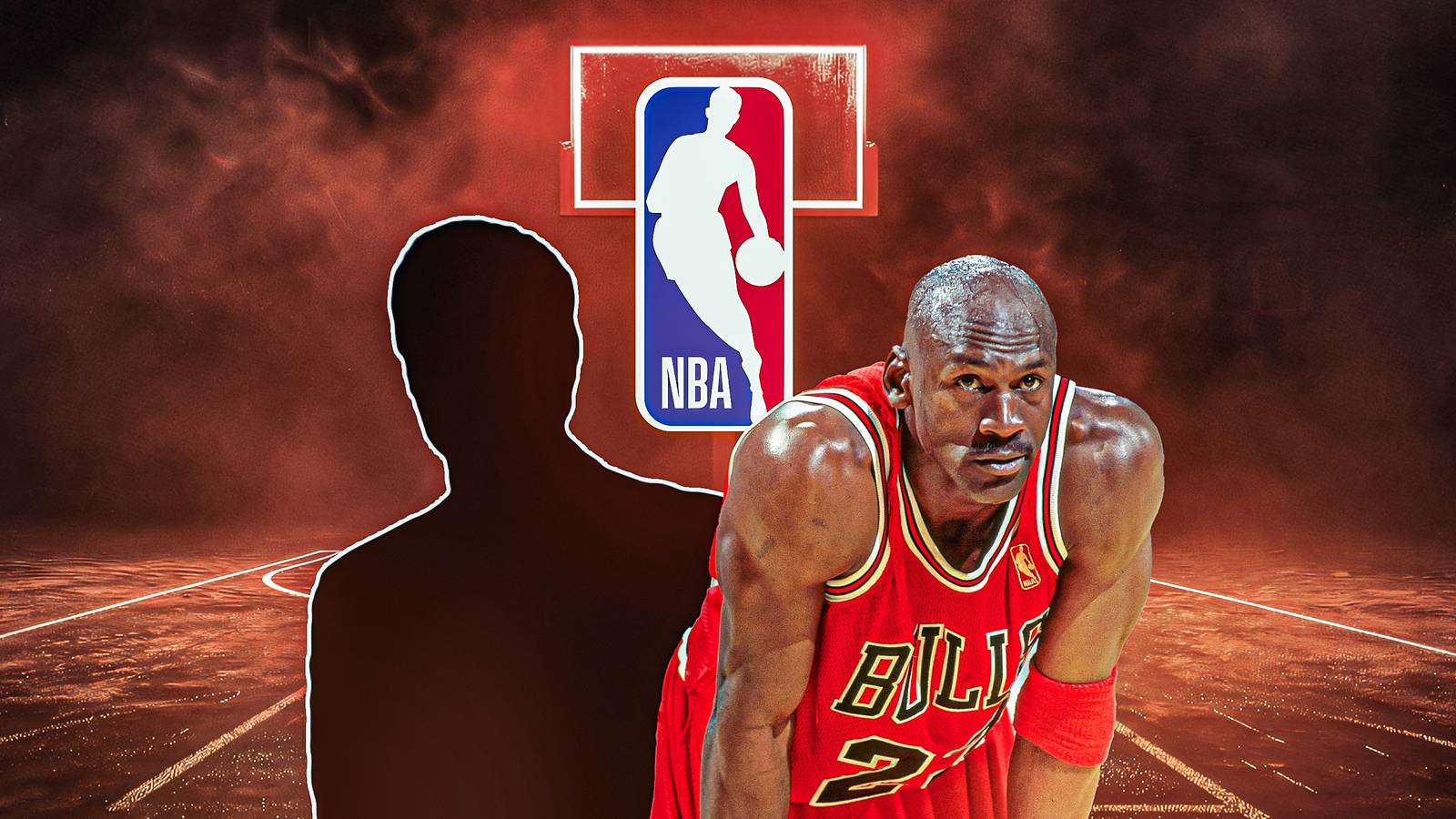
When basketball fans are asked to name the greatest player in NBA history, two names usually dominate the conversation. If the answer is not LeBron James, who continues to compete at an elite level for the Los Angeles Lakers at the age of 41, then it is often Michael Jordan who receives the nod.
Widely regarded as basketball’s first worldwide superstar, Jordan entered the league after being selected third overall in the 1984 NBA Draft. He immediately transformed the Chicago Bulls, earning All-Star honours during his rookie campaign. Throughout the 1980s, Jordan produced extraordinary personal statistics, although team success initially remained elusive.
By the beginning of the 1990s, the Bulls had repeatedly fallen short against the Detroit Pistons in the postseason. However, Chicago had assembled a talented supporting cast around Jordan, including Scottie Pippen and Horace Grant. In 1991, Jordan captured the second of his five MVP awards and finally secured his first NBA Championship.
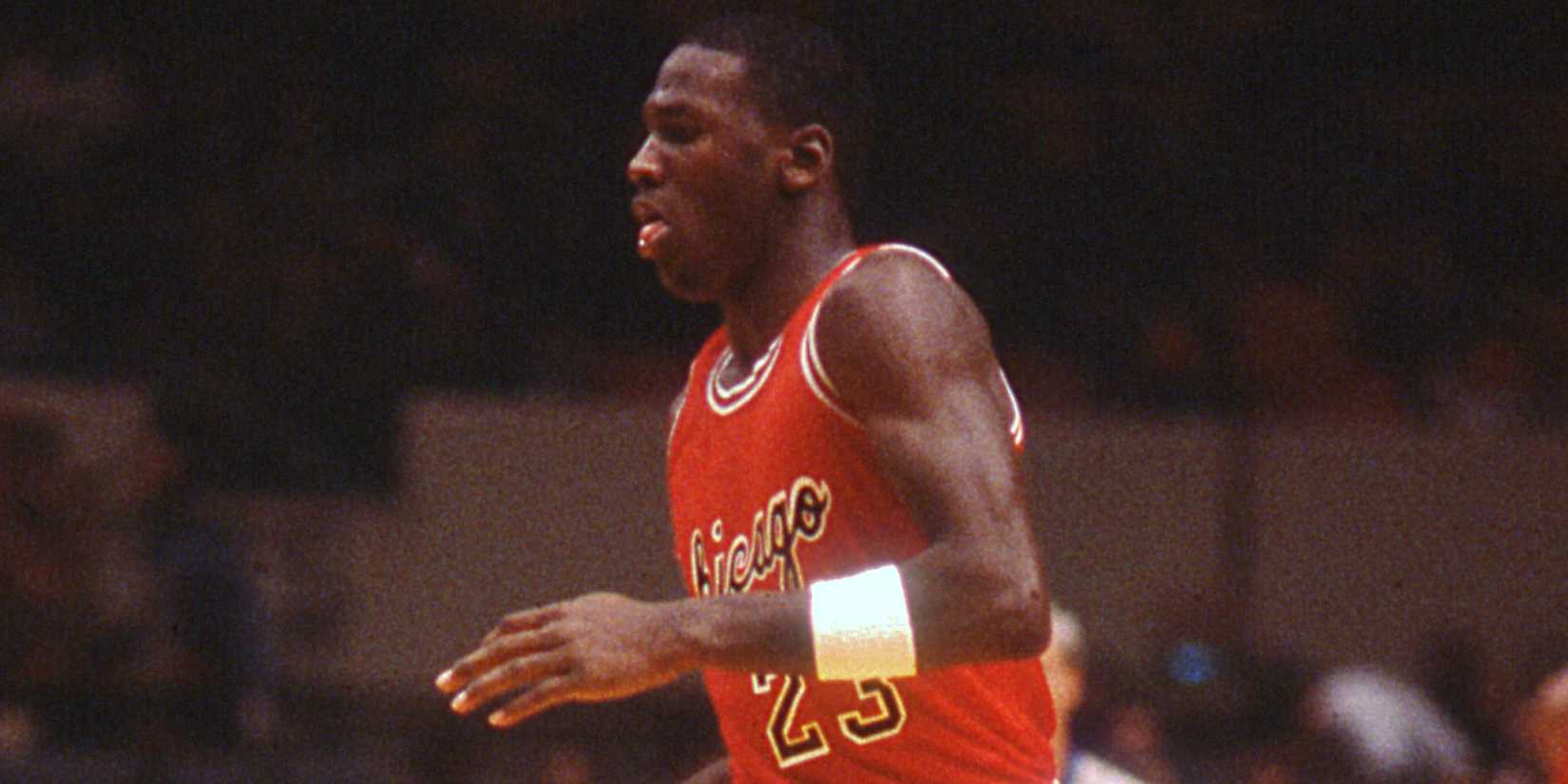
That triumph marked the beginning of a three-peat, with Jordan guiding Chicago to continued dominance before unexpectedly retiring in 1993. After spending nearly two years away from basketball, he returned late in the 1994-95 season and, in his first complete campaign back, led the Bulls — now featuring the colourful yet dominant Dennis Rodman — to another championship.
The 1996 season launched Jordan’s second run of three straight NBA titles, with Chicago once again ruling the league through 1998. Jordan retired for a second time after that championship before making one final comeback in 2001. Following two seasons with the Washington Wizards, he officially ended one of the most celebrated careers in basketball history.
Michael Jordan Career Stats
Games Played
1.072
Points per Game
30.1
Rebounds per Game
6.2
Assists per Game
5.3
Field Goal Percentage
49.7%
Known as much for his fierce mentality as his basketball ability, Jordan has expressed many strong opinions since stepping away from the game. During his induction speech at the Naismith Memorial Basketball Hall of Fame in 2009, he identified one basketball figure he believed possessed a similarly relentless competitive edge.
Michael Jordan Sings Praises of Competitive Rival
‘Challenged me every time’
During his Hall of Fame speech, Jordan mentioned several individuals who played important roles throughout his career. One of those figures was Pat Riley, who at the time of writing is in his 31st season serving as president of the Miami Heat.
“I think, in all honesty, you (Pat Riley) are just as competitive as I am. Even from a coaching standpoint. You’ve challenged me, every time I’ve played the Knicks, the Heat. Any time I played against you, you had Jordan-stoppers on your team. You had John Starks, who I love. You even had my friend Charles Oakley saying we can’t go to lunch because Pat doesn’t believe in fraternising between the two of us.”
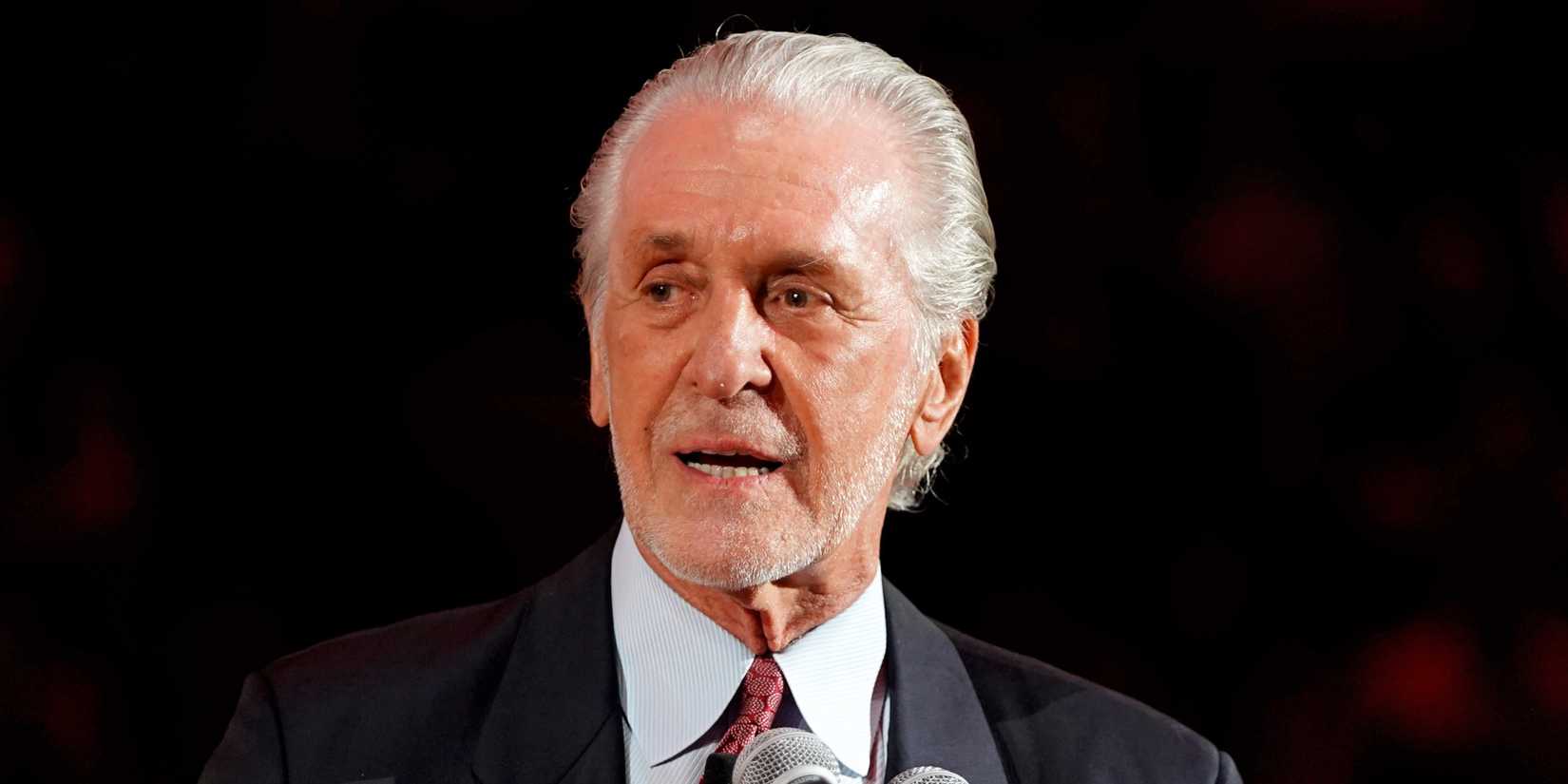
Riley enjoyed a nine-year playing career before retiring in 1976 and quickly transitioning into coaching. In 1979, he joined the Los Angeles Lakers as an assistant coach before taking over as head coach two years later, a position he held for nearly a decade.
During that stretch, Riley became synonymous with the famous “Showtime” Lakers era. Built around a fast-paced style and led by stars such as Magic Johnson and Kareem Abdul-Jabbar, Los Angeles captured four NBA championships under his leadership. Riley stepped away in 1990 after a playoff defeat to the Phoenix Suns, despite also winning NBA Coach of the Year that same season.
Related
‘I Played With Michael Jordan – Here’s Why He’s Horribly Overrated’
One of Jordan’s former teammates doesn’t understand why ‘MJ’ is considered the GOAT…
Following a brief break from coaching, Riley returned in 1991 to become head coach of the New York Knicks. Although he never won a title in New York, his teams frequently battled Jordan’s Bulls in intense playoff series. Riley earned a second Coach of the Year award in 1993 and reached the NBA Finals the following year, where the Knicks lost to the Houston Rockets.
In 1995, Riley made the move to Miami, taking on the dual responsibilities of president and head coach, giving him complete influence over the organisation. Before stepping away from coaching duties in 2008, he also guided the franchise to the 2006 NBA Championship.
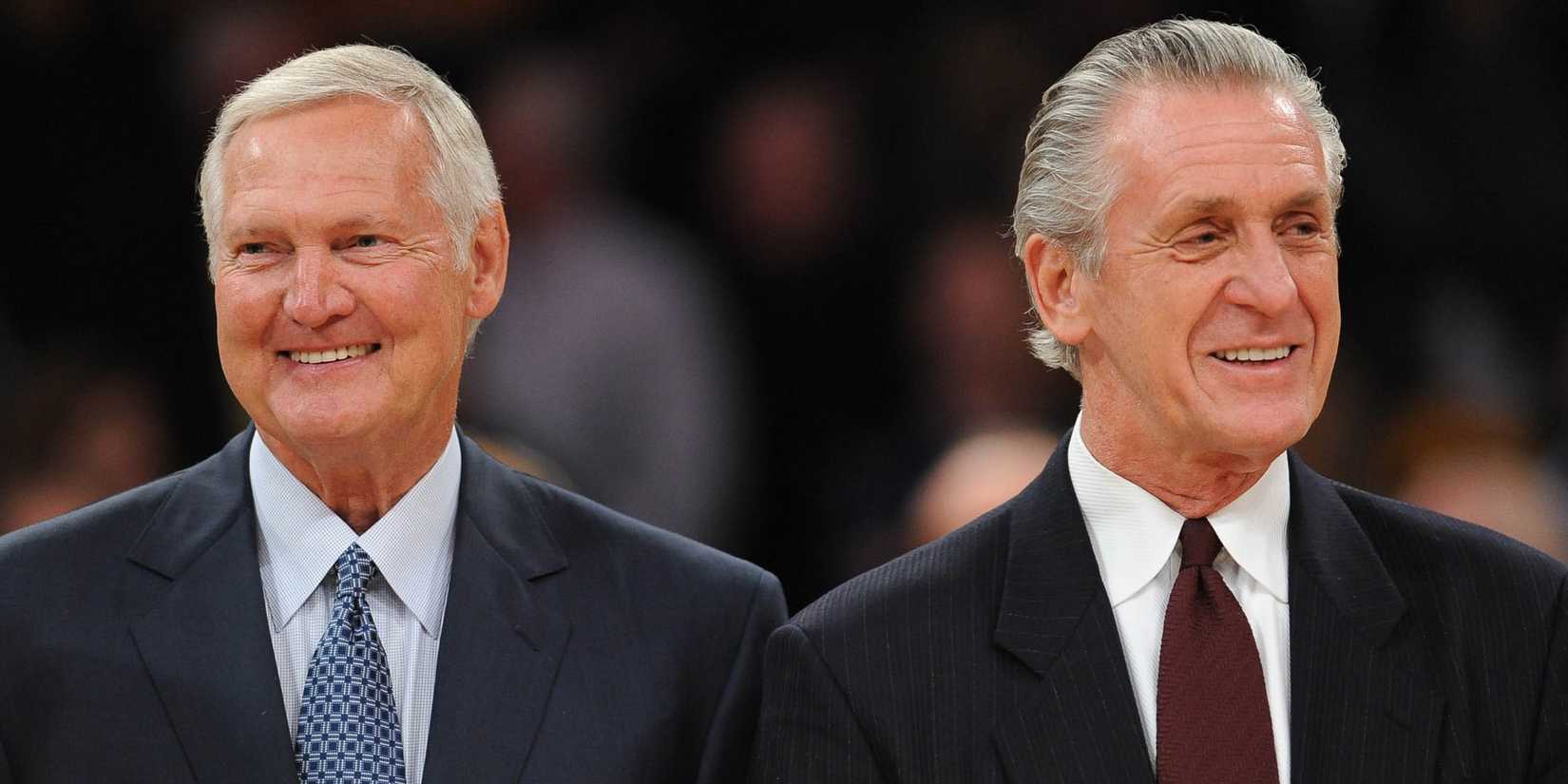
Riley later strengthened his reputation as one of basketball’s elite executives by helping recruit Chris Bosh and LeBron James during the famous 2010 free agency period. Alongside Dwyane Wade, the trio delivered back-to-back championships in 2012 and 2013. Since then, Riley has continued to keep Miami among the NBA’s respected contenders.
Nicknames like “The Godfather” are reserved for figures with extraordinary longevity and influence in basketball, and Riley has undoubtedly earned that reputation. Considering his sustained success and competitive nature, it is easy to understand why Jordan believed Riley matched his own intensity more than almost anyone else in the sport.