
The Environmental Benefits of Cycling
Transport remains one of the largest contributors to UK greenhouse gas emissions. Government statistics show that domestic transport accounted for approximately 28% of the UK’s greenhouse gas emissions in 2022, highlighting the important role that travel choices can play in reducing our environmental impact.
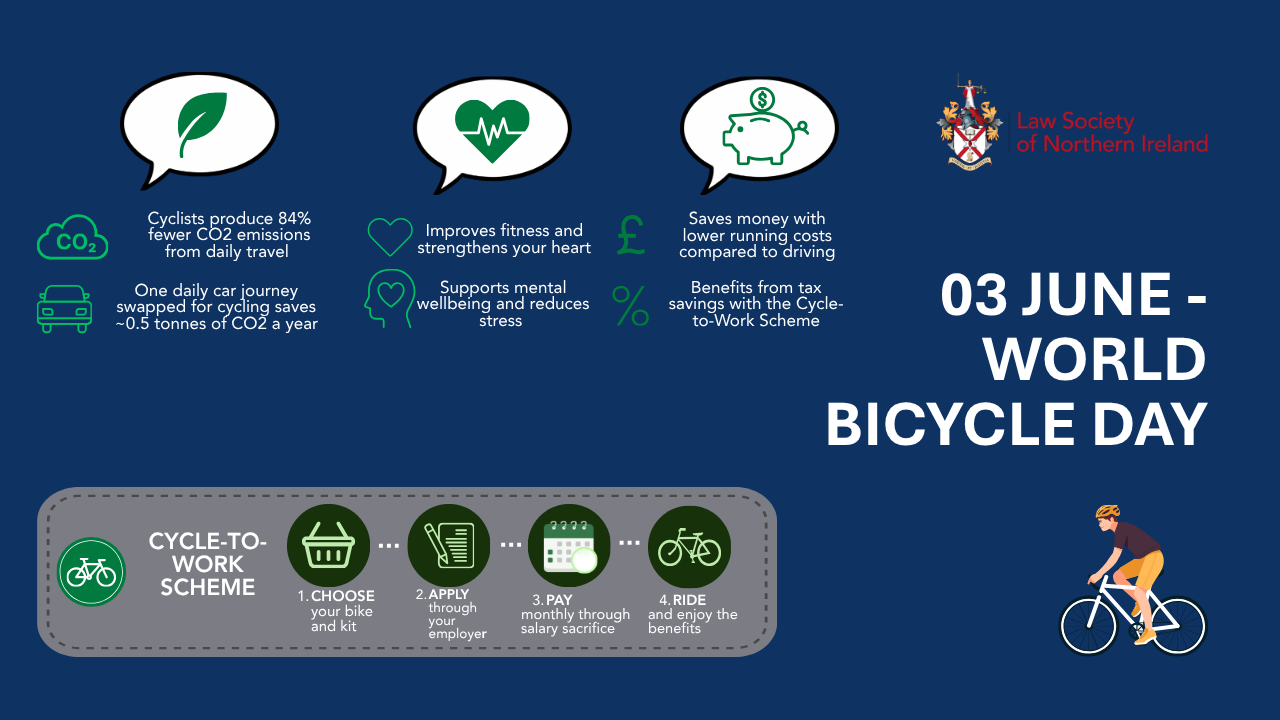
Against this backdrop, cycling offers a practical and accessible alternative to private car use, particularly for shorter journeys and daily commutes. Research suggests that people who cycle regularly generate significantly lower transport-related emissions than those who rely on motor vehicles. One study found that cyclists produced 84% lower CO₂ emissions from their daily travel than non-cyclists.
Importantly, the environmental benefits of cycling are not limited to those who cycle every day. Research indicates that even relatively small changes in travel habits can have a meaningful impact. Replacing just one car journey per day with a bicycle journey has been estimated to reduce an individual’s carbon footprint by approximately 0.5 tonnes of CO₂ per year.
When these changes are replicated across a wider population, the cumulative effect becomes even more significant. It is estimated that if just 10% of people replaced one car journey each day with cycling, this would reduce lifecycle emissions from all car travel by around 4%.
What is the Cycle to Work Scheme?
The Cycle to Work Scheme is a UK Government-supported initiative designed to encourage active travel by allowing employees to obtain bicycles and cycling equipment through their employer, usually via a salary sacrifice arrangement. This enables employees to spread the cost of a bicycle over monthly payments whilst potentially making savings on tax and National Insurance contributions.
Many employers operate the Cycle to Work Scheme through a specialist provider, who administers the purchase and repayment process on behalf of the employer.
Some of the main providers include:
How it works:An employee chooses a bicycle and eligible safety equipment. The employer purchases the package through a Cycle to Work provider.The employee repays the cost through monthly salary deductions. The bicycle is then used primarily for commuting purposes.
Firms interested in introducing or learning more about the Cycle to Work Scheme can access further information through the UK Government guidance, as well as through the various scheme providers (above), many of which offer dedicated FAQs, eligibility information, and details of participating retailers.
Staff may also wish to speak with their Operations Manager, Office Manager, or HR Team to determine whether their organisation currently operates a Cycle to Work Scheme, or whether there may be scope to introduce one in the future.