
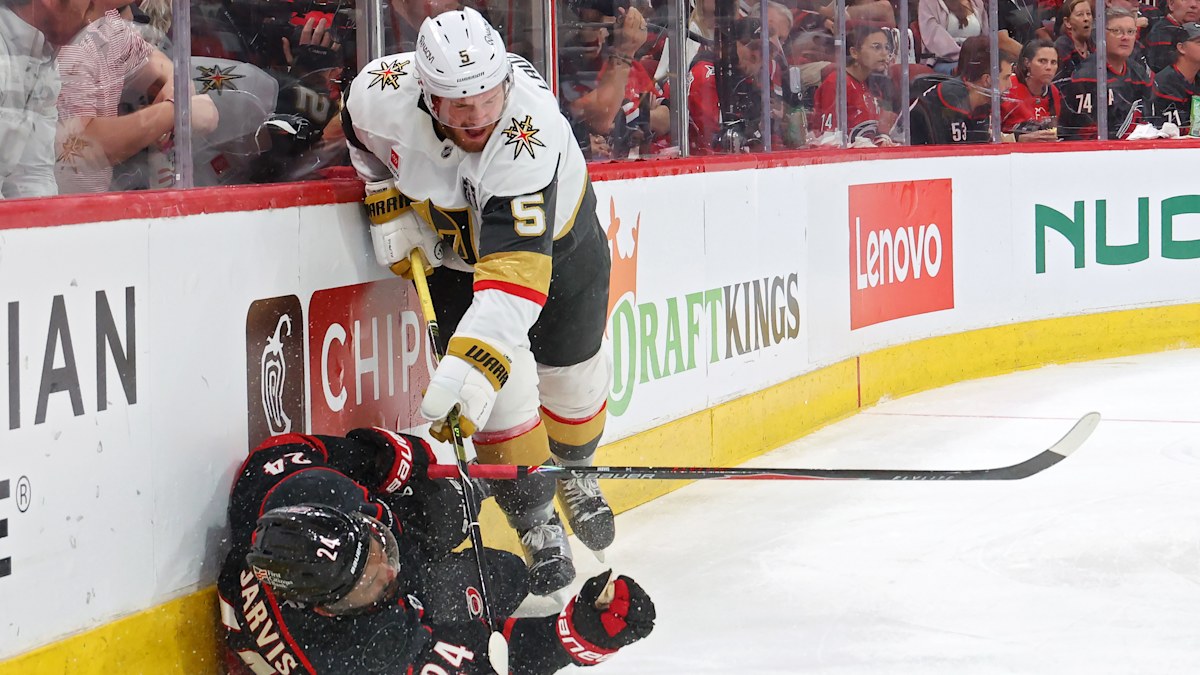
The Vegas Golden Knights are widely regarded as one of the greatest expansion teams in sporting history.
And there are easy parallels with the NRL’s PNG Chiefs that could make them worth studying, but they’d be taking a blueprint from a league villain.
Vegas will always be the NHL’s villain. Bruce Bennett
Since Vegas’ inception in the 2017-18 NHL season, they have defied the traditional, agonisingly slow birth of a new franchise.
Instead, they built an instant juggernaut, capturing the Western Conference crown and booking a ticket to the Stanley Cup Finals three times in nine seasons.
No team in the NHL has won more division titles, playoff games or playoff series since Vegas entered the league.
They were the best of the West in year one, year three (where they eventually won the Stanley Cup) and year nine.
Their strategy is devastatingly simple: every single decision is engineered to win. By any means necessary.
And that is precisely how they became the most hated team in the NHL.
Embracing the dark side
The list of reasons to hate the Golden Knights starts with pure jealousy; the team has enjoyed nearly a decade of perpetual contention without ever suffering through the misery of a rebuild.
But the resentment goes far deeper than just winning. They operate with ruthless transactions. They sack successful coaches on a whim, acquire superstars from rival fanbases without a shred of sentimentality and exploit every advantage at their disposal.
Their win-at-all-costs mentality is cutthroat, but is undeniably effective. And it might just provide the blueprint for a rugby league team closer to home.
Enter the PNG Chiefs. An NRL expansion team gracing the field in 2028, they’ll be desperate for quick wins. To get them, they are weaponizing a financial advantage: players will be entirely exempt from income tax.
This makes the jump to Port Moresby enviable in the league. PNG are already taking pointers on how to be an instant success from the best in the business.
Why does tax even matter?
Another tax haven team, Vegas has made enemies left, right and centre. This is a role they have entirely embraced as the defining quality of their franchise existence.
This financial leverage is a powerful tool. As one of nine US states that does not tax personal income, Nevada offers an attractive bonus for the hockey players.
Players have actively forced trades or signed with Vegas for little more than income purposes, leaving traditional markets in the dust.
Consider the maths. If a player signs a five-year, $12 million contract, they’d take home exactly that amount in Las Vegas.
If they played for a Canadian franchise, like the Toronto Maple Leafs, the team would need to hand out a massive $19 million salary just for the player to net the same $12 million after tax.
By stretching their salary cap significantly further than their competitors, Vegas can stack their roster with bigger, more lucrative names.
For the PNG Chiefs, who will offer unique tax-free incentives to lure high-profile players to Port Moresby, the Vegas model proves that the finances can overcome geographical hurdles.
The NRL club has already used this exact playbook to lock in blockbuster names ahead of their fellow expansion rivals, the Perth Bears, who are still searching for a marquee star for their arrival in 2027.
The blueprint from a villain
Vegas are a powerhouse franchise. There is no doubt about it, but they also routinely err on the side of the moral grey.

Carter Hart is the starting goalie for Vegas. Jared C. Tilton
Their starting goaltender, Carter Hart, was 12 months ago in a Canadian court accused of sexual assault over several hours on a woman with four of his World Junior teammates in 2018.
The case put his career in grave doubt, with his team at the time the accusations against him were made, the Philadelphia Flyers, dumping him.
He was then acquitted of the crime, but Hart was still banned from playing in the NHL until December 1. The NHL described his behaviour as “very disturbing and…unacceptable.”
That didn’t stop the Golden Knights from pulling out their cheque book.
On December 2, a day after his ban expired, Vegas had Hart playing as their starting goaltender for their game against the Chicago Blackhawks.
Rather than facing public scrutiny over the signing, the Golden Knights have actively shielded Hart from the media, even refusing to hold post-game press conferences or cutting them early.
That cold detachment from league rules also extends to their coaching staff.
The team sacked head coach Bruce Cassidy with just two weeks left in the regular season, but kept him bound to his contract to block him from interviewing with rival teams. Vegas is reportedly on the hook for over $7 million AUD just to ensure Cassidy doesn’t coach next season.
“Well, it sucks getting fired in Game 74 when you’ve laid a lot of the groundwork,” Cassidy said.
“And then not being able to get out and get back to work is a double whammy, so yeah, it kind of stinks to be honest.”
Golden Knights general manager Kelly McCrimmon said it plainly when asked: his responsibility is to his team only.
The ‘win-by-any-means’ culture has reached a boiling point in the playoffs.
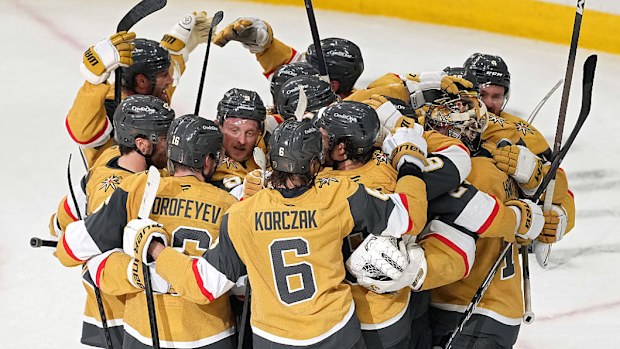
Vegas will now be aiming for their second Stanley Cup in franchise history. Candice Ward
The franchise was stripped of their second-round pick in the 2026 draft, and newly appointed head coach John Tortorella was slapped with a $140,000 fine for ‘flagrant violations’ of the NHL’s media regulations.
Following their round two playoff victory against the Anaheim Ducks, the team literally locked the doors to their locker room to bar reporters, with Tortorella flatly refusing to speak.
Vegas argued that these bizarre media blackouts and refusal of discussion with other teams is simply the team “locking in” for their Stanley Cup run.
However, the cost of that focus is steep: they are now left without an NHL draft pick until the third round for the next four years.
The credo of ‘win by any means’ has held them in good stead, but to what detriment for their longevity when they eventually have a fall and hit some kind of rock bottom?
Sport is littered with cautionary tales warning teams not to get too big for their boots. However, as Vegas chases their second Stanley Cup in nine seasons, the blueprint remains terrifyingly clear.
If the PNG Chiefs want to shock the NRL in 2028, they have the financial tools to do it. They just have to decide if they are willing to play the villain to win.