
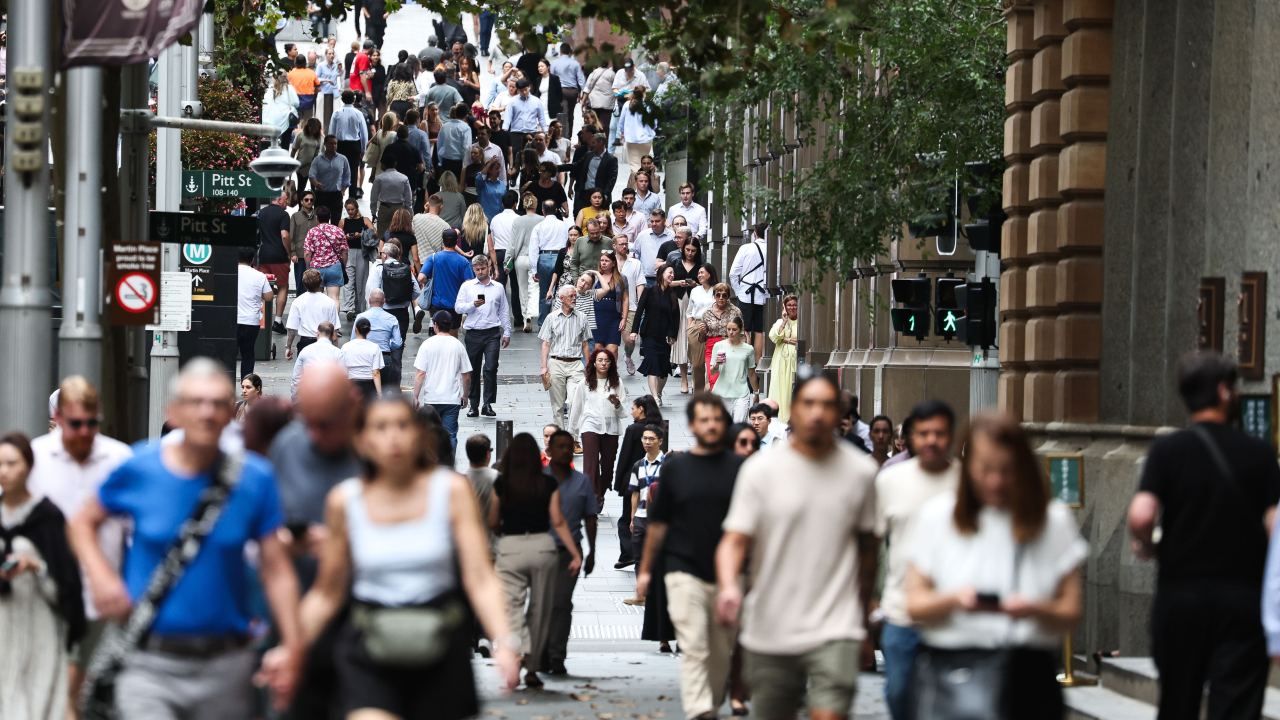
More than 60 per cent of the nation believe Australia is heading for a recession by Christmas time after new data revealed the economy slowed dramatically around the start of the year.
Fresh research from comparison site Finder, shared exclusively with SkyNews.com.au, revealed 48 per cent of Australian feel a recession is likely by the end of the year, while a further 16 per cent believe one is certain.
It comes as the Australian Bureau of Statistics confirmed Australia’s GDP slumped to 0.3 per cent and productivity, which measures GDP per hours worked, declined 0.6 per cent in the March quarter.
Lower productivity heaps pressure on inflation which can force the Reserve Bank of Australia to lift interest rates.
It could also send the unemployment rate soaring in a devastating blow to the livelihood of many Australians.
Sarah Megginson, personal finance expert at Finder, said economic anxiety surrounding high inflation and rising interest rates were weighing on embattled households.
“Households across the country are under intense financial pressure and many Australians fear the economy could get significantly worse before it gets better,” she said.
“While a recession isn’t guaranteed, the fact that so many Australians expect one shows confidence in the economy is fragile.”
Not every person surveyed believed a recession was imminent, with 18 per cent saying they felt it was unlikely and 15 per cent saying they were unsure.
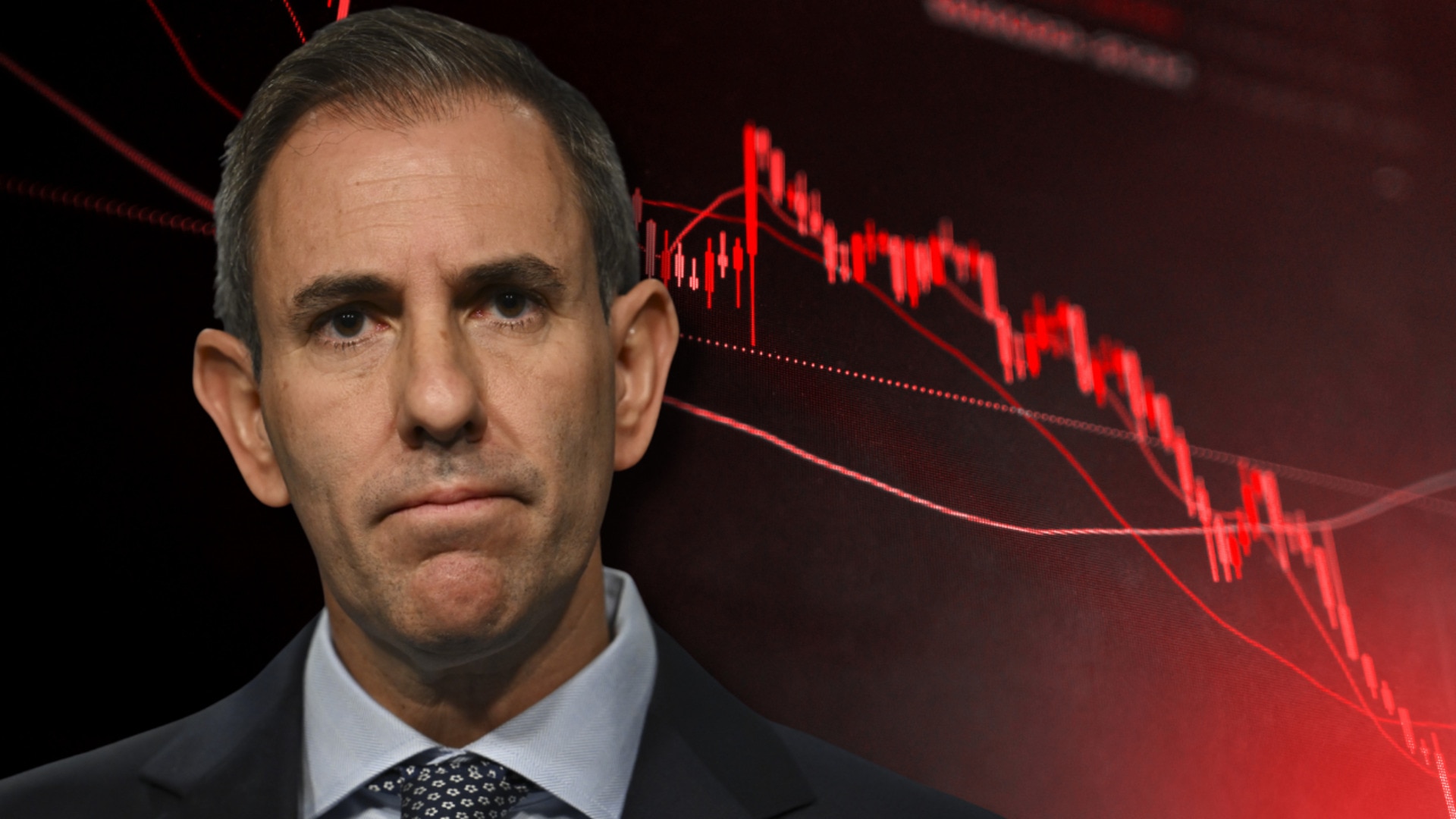
However, just three per cent said they were certain Australia would not be in recession by the end of the year, reinforcing fears about falling confidence in the economy.
Ms Megginson stressed expectations of a recession were already impacting struggling households.
“Even the possibility of a recession can change consumer behaviour, with families becoming more cautious about spending and taking on new debt,” she said.
“Economic uncertainty is scary, but taking small proactive steps now can help you feel more prepared no matter what happens next.”
Recession fears have grown as inflation and the unemployment rate have risen in recent months.
The RBA has been forced to deliver three consecutive rate rises since the beginning of the year.
Large government spending, low productivity, the rebound of the private sector, and the oil crisis have all been cited as factors pushing the central bank to lift rates.
RBA Governor Michele Bullock earlier in the year also warned the central bank was alert to a recession risk when fuel prices were rising.
“It’s still possible if (the Middle East conflict) resolves that everything will turn out okay,” she said in March.
“Having said that, the board is alert to risks of (recession) and if circumstances change and if it does look like the world economy is in big trouble… then that will have different implications for inflation.
“We will be looking very hard at what we need to do in those circumstances.”